

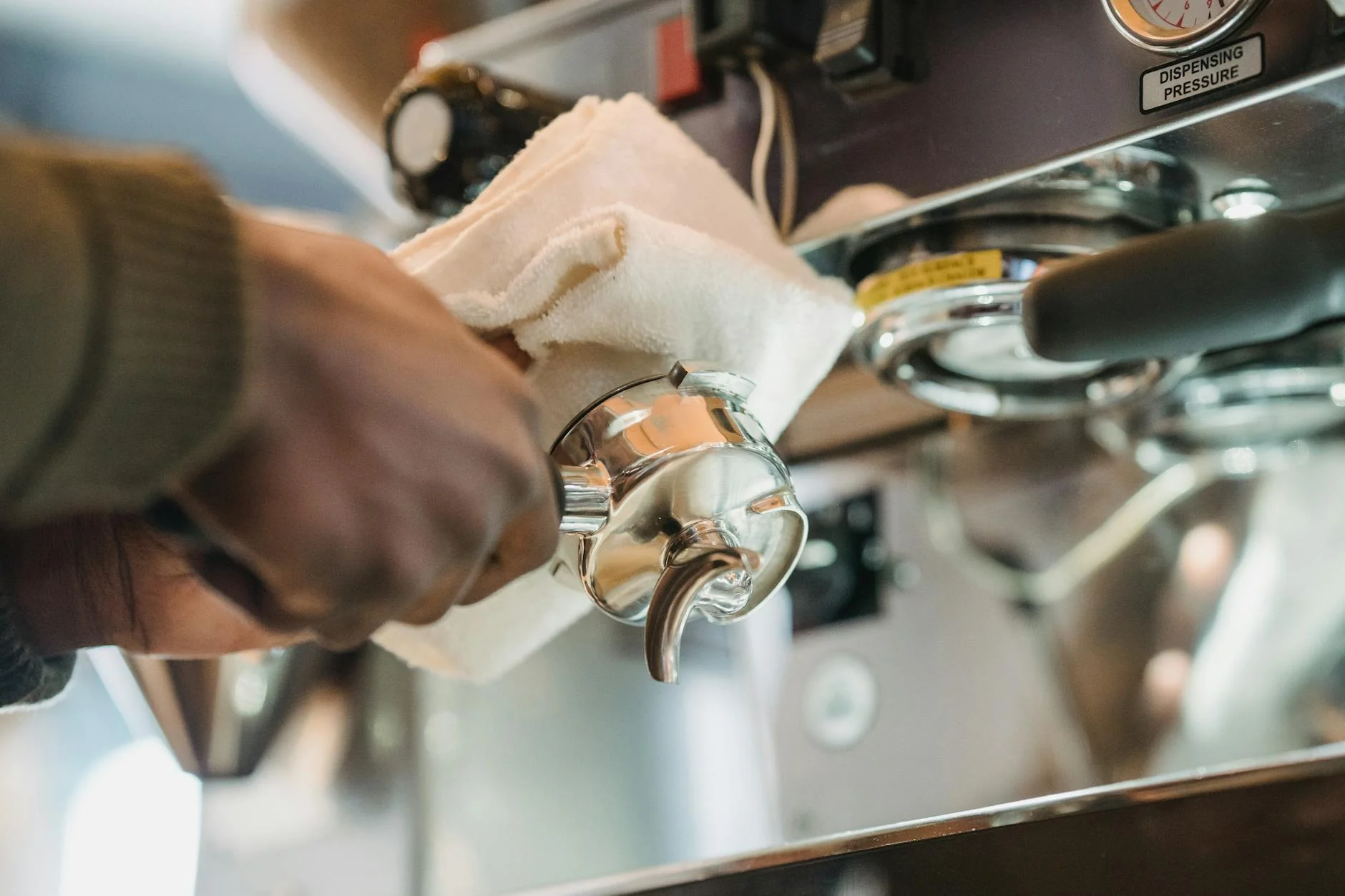
A perfect espresso shot is a symphony of variables, and one of the most critical, yet often overlooked, is the seal on your group head. For owners of the legendary E61 group head, that unmistakable drip from the side of the portafilter during a shot is a frustrating sign. It means your group gasket has failed. This small, inexpensive ring is the only thing creating a high-pressure seal between your machine and your coffee. When it’s time for a replacement, you face a key decision: stick with the traditional rubber gasket or upgrade to a modern silicone one? This article will dive deep into the benefits and drawbacks of both silicone and rubber E61 group gaskets, helping you make the best choice for your machine and your coffee ritual.
Understanding the role of the E61 group gasket
Before comparing materials, it’s crucial to understand what this component does. The E61 group head, an icon in the espresso world, operates under intense heat and pressure. The group gasket, a simple rubber or silicone ring seated inside the group head, is tasked with creating a perfect, watertight seal when you lock in your portafilter. This seal ensures that the nine bars of pressure your pump generates are forced through the coffee puck, not around it. Without a proper seal, you lose pressure, leading to under-extraction, channeling, and a weak, watery shot. It’s the unsung hero of a consistent extraction.
You’ll know it’s time for a replacement when you notice a few key symptoms:
- Leaking: The most obvious sign is water dripping from around the portafilter wings during an extraction.
- A stiff handle: Over time, gaskets harden, making it very difficult to lock the portafilter into place.
- A traveling handle: Conversely, a worn-out, compressed gasket will cause your portafilter handle to lock in much further to the right than it did when it was new.
Changing this part is not just about fixing a leak; it’s a fundamental maintenance task for ensuring shot quality and the longevity of your machine.
The traditional choice: Rubber group gaskets
For decades, the standard for espresso machines has been a black rubber gasket, typically made from materials like NBR or EPDM. It’s the original equipment on most new E61 machines and has served the industry well for a long time. They are the tried-and-true option that many baristas are familiar with.
The primary benefit of a rubber gasket is its cost. They are very inexpensive and widely available from virtually any espresso parts supplier. They also provide a very firm, tactile feedback when you lock the portafilter in. This solid “thud” as it seats can be reassuring, letting you know you’ve created a tight seal.
However, rubber gaskets have significant downsides. Their biggest enemy is the constant cycle of heat and pressure. Over time, rubber hardens, becomes brittle, and cracks. This process is unavoidable and means you’ll be replacing them relatively frequently, typically every 6 to 12 months depending on use. As they harden, they also tend to absorb coffee oils and fines, which can impart stale, rancid flavors into your shots if not meticulously cleaned. Finally, once a rubber gasket has petrified in the group head, it can be notoriously difficult and messy to remove, often coming out in small, crumbling pieces.
The modern alternative: Silicone group gaskets
In recent years, food-grade silicone gaskets have become an extremely popular upgrade, and for good reason. While they carry a higher initial cost, they solve nearly all of the problems associated with their rubber counterparts. Silicone is a far more stable material, inert and highly resistant to heat. This means a silicone gasket will not harden, crack, or become brittle like a rubber one.
The most significant advantage is longevity. A single silicone gasket can easily last two to three times longer than a rubber one, making its total cost of ownership very competitive over time. They are also non-porous and do not absorb coffee oils. This makes them much easier to keep clean—a simple wipe with a cloth is often enough—and ensures that no old, stale flavors are tainting your fresh espresso. Furthermore, their pliable nature makes installation and removal a breeze. They stay soft and flexible throughout their life, popping out easily when it’s finally time for a change. Many also come in bright colors, which makes it easier to spot dirty grounds that need to be wiped away.
Head-to-head comparison and making your choice
The choice between rubber and silicone ultimately comes down to balancing initial cost against long-term performance and convenience. The softer, smoother feel of locking in a portafilter with a silicone gasket can take some getting used to if you’re accustomed to the firm resistance of rubber, but the seal it creates is just as effective, if not better.
Let’s break down the key differences in a table for a clear overview:
| Feature | Rubber Gasket | Silicone Gasket |
|---|---|---|
| Lifespan | 6-12 months | 2+ years |
| Initial cost | Low | Medium to High |
| Feel | Firm, requires more force | Soft, smooth engagement |
| Maintenance | Absorbs oils, harder to clean | Non-porous, easy to wipe clean |
| Removal | Can be very difficult when hardened | Easy to remove, remains flexible |
For most home baristas, the silicone gasket is the clear winner. The slightly higher upfront cost is easily justified by its incredible durability, improved cleanliness, and ease of maintenance. For a busy café, the reduced downtime and labor spent on replacing hardened rubber gaskets can translate into real savings. If you are on a very tight budget, rubber still gets the job done, but be prepared for more frequent maintenance.
Conclusion: An easy upgrade for better coffee
While the group gasket may seem like a minor part, its impact on your daily espresso is immense. We’ve seen that the traditional rubber gasket is a functional, low-cost option, but it suffers from a short lifespan and a tendency to harden and absorb unpleasant flavors. The modern silicone gasket, by contrast, presents a compelling upgrade. It offers superior longevity, chemical stability, and ease of cleaning that directly translates to better-tasting coffee and less time spent on frustrating maintenance. While the initial investment is higher, the long-term benefits make it a worthwhile choice for any serious espresso enthusiast. Ultimately, choosing the right gasket is a small investment that protects your machine and elevates your coffee, one perfectly sealed shot at a time.

 No products in the cart.