

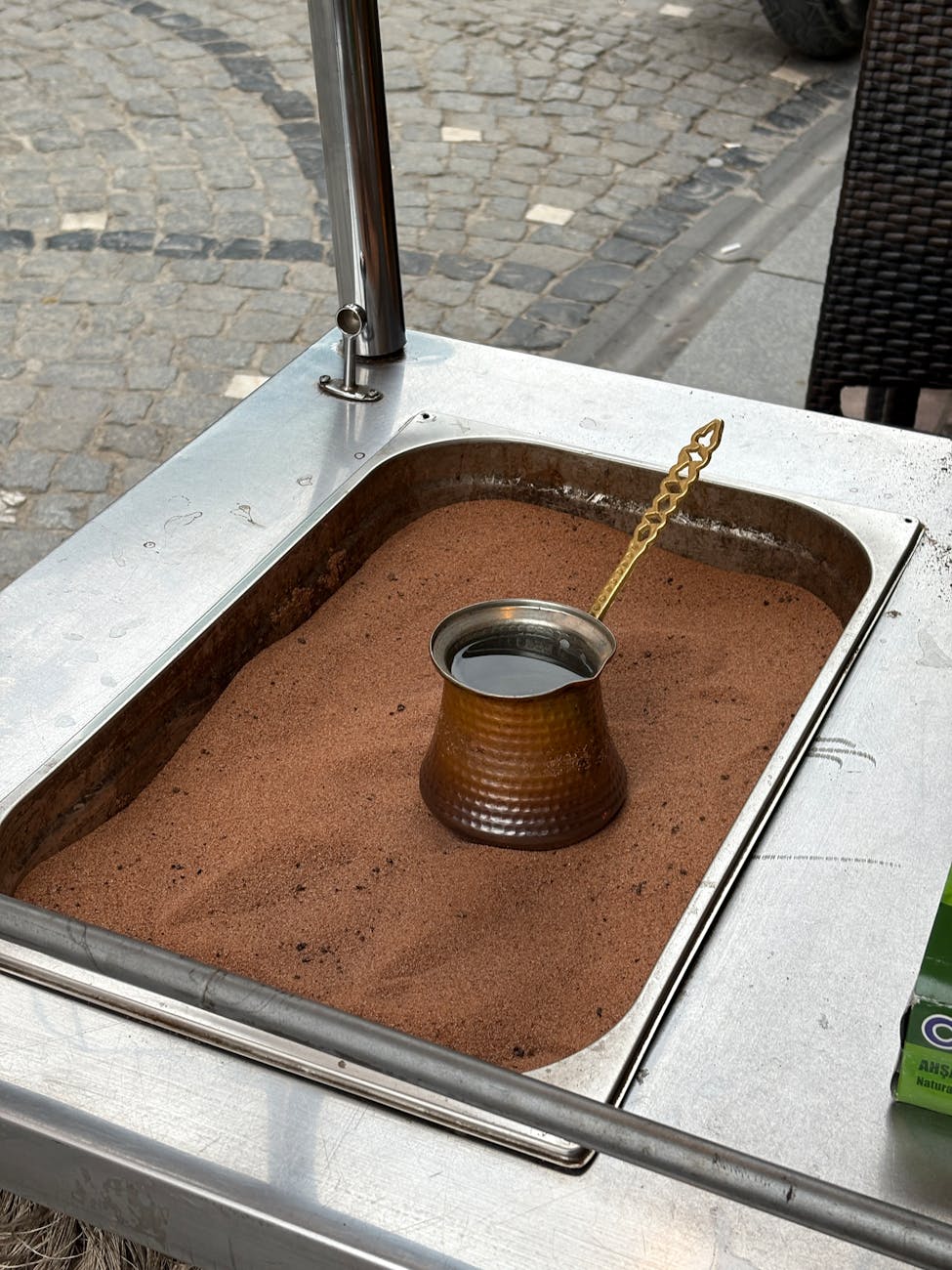
Recognizing the sweet spot: When to stop the Turkish coffee brew cycle
The art of brewing Turkish coffee is a time-honored tradition, a ritual that culminates in a rich, velvety, and intensely aromatic cup. Unlike other brewing methods, this process is intimate and hands-on, requiring constant attention. The most pivotal moment in this ritual is knowing precisely when to remove the cezve (or ibrik) from the heat. Stop too soon, and you’re left with a weak, underdeveloped brew. Wait a second too long, and you face a boiled-over mess and a cup full of bitterness, with the prized foam completely destroyed. This guide is dedicated to helping you master this crucial step. We will explore the visual, auditory, and aromatic cues that signal the perfect end to the brew cycle, ensuring you achieve a flawless cup every time.
The foundation of the perfect brew: Understanding the stages
Before you can recognize the end of the brew cycle, you must understand its beginning. The magic of Turkish coffee lies in its simplicity and the quality of its ingredients: exceptionally fine coffee grounds (finer than espresso, like flour), cold water, and optional sugar. The process begins by combining these in a cezve and placing it over low heat. Rushing this stage with high heat is the first mistake many newcomers make; patience is paramount.
As the mixture begins to warm, you’ll observe the initial stages:
- The slow mix: After a gentle initial stir, the grounds will sink, and the liquid will begin to warm slowly.
- The dark ring: A dark, defined ring will start to form around the perimeter of the liquid’s surface. This is the first sign that the extraction process is underway.
- The warming phase: The aroma will begin to gently release, but the most dramatic changes are yet to come.
This slow, gradual heating process is not just about bringing water to temperature; it’s about allowing the coffee grounds to extract their full spectrum of flavors and oils, which will ultimately form the glorious foam on top. Think of this stage as building the foundation upon which the final, perfect cup will stand.
The visual cues: Watching for the ‘kaymak’ to rise
The most reliable indicator for when to stop the brew is visual. You are watching for the formation and rise of the kaymak, the thick, creamy foam that is the hallmark of expertly prepared Turkish coffee. This foam is a beautiful emulsion of the coffee’s oils and suspended solids, and preserving it is your primary goal.
As the brew progresses from the initial warming stage, keep your eyes fixed on the surface. You will see a distinct progression of events. The dark ring will expand, and the surface will begin to thicken slightly. Soon, the entire surface will be covered in a developing layer of foam. The critical moment approaches when this foam begins to rise, almost like a slow-motion volcanic eruption. It will swell from the edges and build towards the center, forming a thick, uniform crown.
The sweet spot—the perfect moment to remove the cezve from the heat—is when this foam has risen to just touch the rim of the pot. Do not let it boil over! A rolling boil is the enemy of good Turkish coffee. It instantly collapses the delicate foam structure and scalds the grounds, releasing harsh, bitter compounds into your brew. The goal is to catch the coffee at its peak rise, just before the boil breaks the surface.
Beyond the eyes: Engaging your other senses
While your eyes are the primary tool, your ears and nose play crucial supporting roles in identifying the sweet spot. A true master of the cezve uses all their senses to understand what’s happening inside the pot. This multi-sensory approach builds intuition and allows for a more nuanced control over the brewing process, connecting you more deeply to the ritual.
First, listen. When you first place the cezve on the heat, it will be silent. As the temperature slowly climbs, you will begin to hear a very faint, gentle hiss. This is the sound of the coffee coming to life. As the foam builds and starts its ascent, this sound will intensify slightly into a soft crackle. This gentle sound is your friend. However, if you hear a loud gurgling or the aggressive bubbling of a full boil, you have gone too far. The ideal sound is a gentle “breathing,” not a frantic boil.
Simultaneously, pay attention to the aroma. The fragrance of Turkish coffee is one of its greatest pleasures. As it heats, a rich, chocolatey, and spicy aroma will fill your kitchen. This aroma will reach its absolute peak intensity right as the foam crests the rim of the cezve. If the scent suddenly shifts to something sharp, acrid, or slightly burnt, it’s a clear signal that the coffee is overheating and bitterness is being extracted.
The great debate: One rise or two?
Once you’ve mastered the art of achieving the perfect rise, you’ll encounter a common point of discussion among aficionados: should you let the coffee rise once or twice? There are two main schools of thought, and both can produce an excellent cup. The choice often comes down to regional tradition and personal preference.
The single rise method is favored by many purists. You bring the coffee to its peak foam, remove it from the heat, and immediately pour it into the cups. Proponents argue this method best preserves the most volatile and delicate aromas and often results in the thickest, most stable kaymak. It’s a direct path from brew to cup.
The double rise method involves bringing the coffee to its peak rise, removing it from the heat to let the foam subside, and then returning it to the heat for a second rise. Some traditions even call for a third. The theory here is that this process creates a more homogenous and full-bodied brew, better integrating the foam with the liquid. Experimenting with both methods is the best way to discover your preference.
| Feature | Single rise method | Double rise method |
|---|---|---|
| Foam (Kaymak) | Often thicker and more stable | Well-integrated, can be slightly thinner |
| Flavor profile | Highlights brighter, more delicate aromas | Creates a rounder, more homogenous body |
| Technique | Simpler, requires one perfect rise | Requires more control to avoid boiling on the second rise |
| Best for | Purists who prioritize the thickest foam | Those who prefer a very full-bodied, blended cup |
Ultimately, brewing Turkish coffee is a journey of practice and sensory awareness. It’s about much more than just a caffeine fix; it’s a moment of focus and a rewarding ritual. By learning to watch for the rising foam, listen for the gentle hiss, and smell for the peak aroma, you can pinpoint that perfect sweet spot. Remember, the absolute key is to remove the cezve from the heat before a rolling boil destroys the prized kaymak and introduces bitterness. Whether you choose a single or double rise, trusting your senses will lead you to a consistently perfect, rich, and velvety cup that honors this ancient and beautiful tradition.



 No products in the cart.