

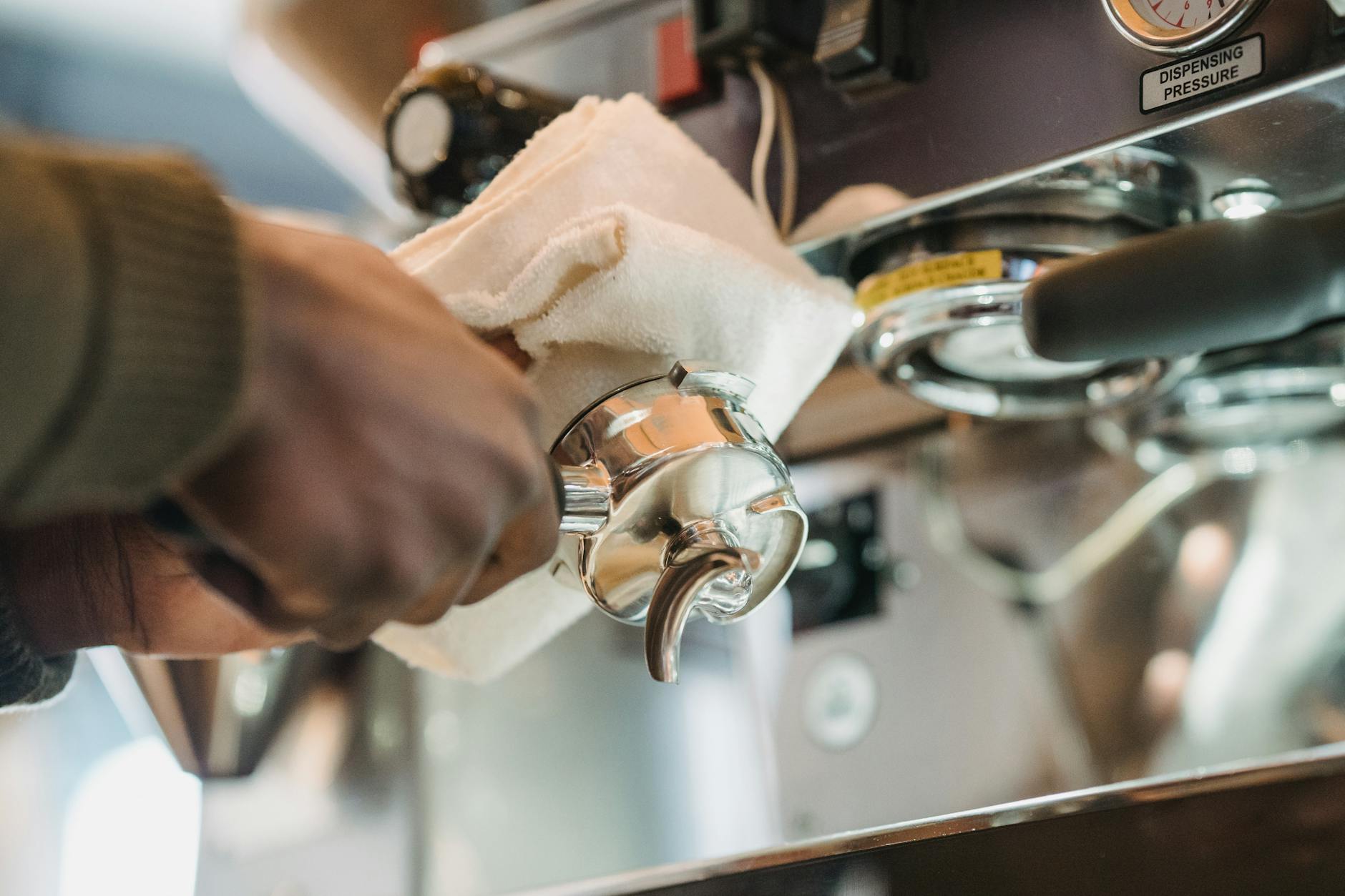
Is your espresso machine suffering in silence? How to spot scale buildup in your boiler
Your espresso machine is the heart of your morning ritual, a complex piece of equipment dedicated to one simple goal: brewing the perfect shot. But lurking within its pipes and boiler is a silent threat known as limescale. This buildup of mineral deposits, primarily calcium and magnesium from hard water, can slowly cripple your machine’s performance and eventually lead to catastrophic failure. A healthy boiler is non-negotiable for both temperature stability and machine longevity. Ignoring the warning signs is a costly mistake. This guide will walk you through the subtle sounds, performance dips, and visual cues that tell you it’s time to address scale buildup, helping you protect your investment and ensure every cup is as delicious as the first.
The first whispers: Performance changes and strange noises
Long before you see any major problems, your machine will start sending subtle signals that something is wrong. One of the earliest indicators of scale is a change in performance. Limescale acts as an insulator when it coats the heating element in your boiler. This forces the element to work much harder to heat the water to the correct brewing temperature. You might notice your machine takes significantly longer to warm up in the morning. Even more critically, this insulation prevents the machine from maintaining a stable temperature, leading to frustratingly inconsistent shots. One might be sour (under-extracted from low temps), the next bitter (over-extracted from the machine overcompensating). You may also hear new, unsettling sounds like gurgling, hissing, or even a faint popping noise. This isn’t just the machine settling; it’s often the sound of water getting trapped under scale, superheating, and flashing into steam.
Visible clues and flow problems
As the scale problem worsens, the signs become less subtle and more physical. The intricate network of copper pipes and valves inside your machine has a very narrow diameter, making it highly susceptible to clogs. This directly impacts water flow. You may find your steam wand has lost its power, producing weak, wet steam that struggles to properly texture milk. This is a classic sign that scale is constricting the pathway to the steam valve. Similarly, you might observe a reduced flow from the group head. Instead of a steady, even stream, the water may sputter out or trickle slowly, making it impossible to pull a proper shot. In severe cases, you might see a complete blockage. While the boiler itself is hidden, you can look for external clues. Check your hot water wand and group head screen for any white, chalky residue. If you see scale on the outside, you can be certain the inside is far worse.
The taste test: How scale ruins your coffee
Ultimately, the proof is in the cup. Scale buildup has a direct and devastating impact on the flavor of your espresso. As mentioned, the primary issue is temperature instability. Espresso extraction is a delicate science that relies on precise water temperature. When scale prevents your machine from holding a steady 90-95°C (195-205°F), you lose all control over extraction. Your perfectly dialed-in beans will suddenly produce unpredictable and disappointing results. Beyond temperature, a severe scale problem can introduce a direct off-flavor. In advanced stages, mineral deposits can flake off from the boiler walls and pipes, ending up in your cup. This can impart an unpleasant chalky, dull, or even metallic taste to your coffee, completely masking the nuanced flavors of the beans you so carefully selected.
When to act: A summary of symptoms
Recognizing the signs is the first step; taking action is the next. It’s crucial to understand that descaling is different from backflushing. Backflushing cleans coffee oils from the group head, while descaling is a deeper chemical clean that dissolves mineral buildup throughout the boiler and water system. Waiting too long can lead to permanent damage. The best defense, however, is a good offense. Using filtered or properly softened water is the single most effective way to prevent scale from forming in the first place.
Here is a simple table to help you assess the situation:
| Symptom | Severity Level | Recommended Action |
|---|---|---|
| Machine takes longer to heat up | Early | Monitor performance and plan to descale soon. |
| Hissing or gurgling noises from boiler | Early to Medium | Descale your machine within the next few weeks. |
| Inconsistent shot temperature and taste | Medium | Descale your machine as soon as possible. |
| Weak steam pressure | Medium to High | Descale immediately. Check for blockages. |
| Reduced water flow from group head | High | Stop using the machine and descale immediately. |
| Visible white flakes in water | Critical | Stop using. May require professional service. |
Conclusion
Paying attention to your espresso machine is key to its longevity and performance. The signs of scale buildup, from longer heat-up times and strange noises to inconsistent flow and off-tasting coffee, are clear warnings. They are not minor quirks to be ignored but rather symptoms of a progressive condition that can cause serious harm. Limescale restricts water flow, damages heating elements, and can lead to expensive and complex repairs. By learning to recognize these early signs, you can move from a reactive to a proactive approach. Regular descaling, paired with the use of quality filtered water, is not just a chore; it is essential maintenance that protects your machine, saves you money, and guarantees that your daily espresso remains a delicious pleasure, not a frustrating gamble.


 No products in the cart.