

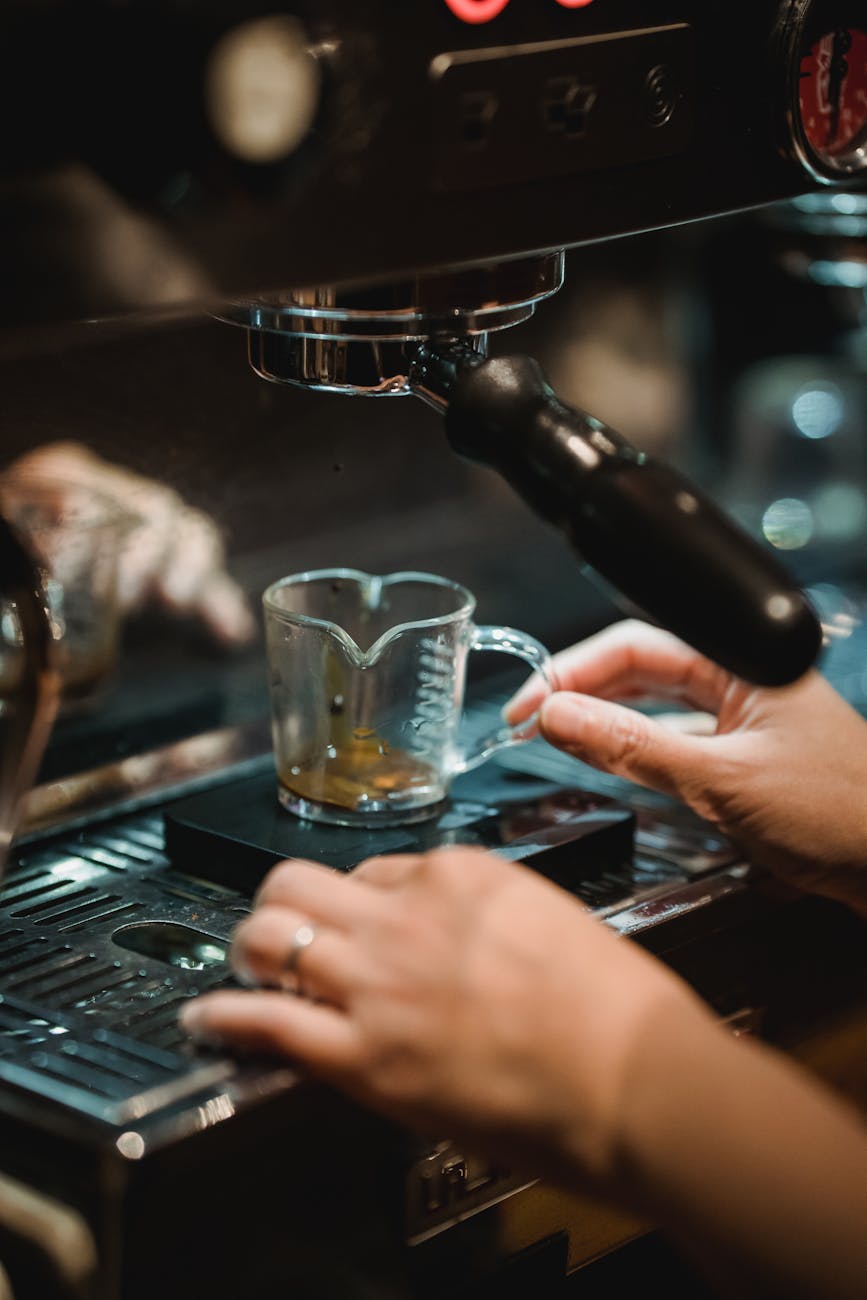
Mastering puck prep for your Flair bottomless portafilter
The journey into manual espresso with a Flair is a rewarding one, offering unparalleled control over every variable. Adding a bottomless portafilter to your setup elevates this experience, turning each shot into a beautiful, diagnostic display. However, this window into your extraction can also be unforgiving, revealing every flaw in your preparation. That dreaded spray of espresso, known as channeling, is a common frustration. This guide is your roadmap to mastering the art of puck preparation. We will delve into the essential techniques, from grinding and distribution to tamping, ensuring you can pull a clean, syrupy, and delicious shot every single time. Prepare to transform your bottomless portafilter from a source of anxiety into your greatest teacher.
Why the bottomless portafilter is your best teacher
Before we dive into the “how,” it’s crucial to understand the “why.” A standard spouted portafilter hides the extraction process, merging multiple streams of coffee before they hit the cup. A bottomless portafilter, by removing the spouts and floor, exposes the filter basket itself. This gives you a direct, unfiltered view of how water is passing through your coffee puck. It’s not just for those hypnotic Instagram shots; it’s a powerful diagnostic tool.
When you see beautiful, even “tiger striping” and a single, centered cone of espresso forming, you know your preparation was excellent. Conversely, if you see jets of water shooting out, or one side of the basket starting to drip long before the other, you’re witnessing channeling. This is when water finds a path of least resistance through the puck, leading to uneven extraction. Some grounds get over-extracted (creating bitterness), while others are under-extracted (creating sourness). The bottomless portafilter doesn’t cause these problems; it simply reveals them, allowing you to diagnose and fix your technique.
The foundation: Grinding and dosing
Your puck prep journey begins long before you touch the portafilter. It starts with the coffee beans and your grinder. For a manual lever machine like the Flair, where you provide all the pressure, a consistent and fine grind is non-negotiable. A poor-quality grinder will produce particles of varying sizes (boulders and fines), creating a puck that is inherently unstable and prone to channeling.
- Grind consistency: Invest in a quality burr grinder capable of a fine, uniform espresso grind. This creates a coffee bed with consistent density, promoting even water flow.
- Dialing in: Your grind size is the primary way you control the shot time on a Flair. Too coarse, and the water will gush through. Too fine, and you might choke the machine, unable to press the lever down. You’re looking for a grind that allows you to ramp up to 6-9 bars of pressure over a 25-35 second shot time.
- Dosing accurately: Consistency is king. Use a scale with 0.1g accuracy to weigh your whole beans before grinding and to weigh your grounds in the portafilter. A consistent dose is a critical variable to control. Small deviations in dose can significantly impact how your shot pulls.
Pro-tip: To combat static and clumping from the grinder, try the Ross Droplet Technique (RDT). A tiny spritz of water on your beans before grinding can dramatically reduce static, leading to a fluffier, more manageable pile of grounds.
The art of distribution (WDT and beyond)
This is arguably the most critical step for eliminating channeling. After dosing your grounds into the basket, they will be lumpy and unevenly distributed. Your goal is to create a coffee bed of perfectly even density from top to bottom and side to side. The single most effective method for this is the Weiss Distribution Technique (WDT).
WDT involves using a tool with very fine needles (like acupuncture needles) to stir the coffee grounds in the basket. This action breaks up any clumps and evenly distributes the particles, filling in any air pockets or low-density areas. You don’t need an expensive tool to start; a DIY version made from a cork and a few needles works wonderfully. When performing WDT, work your way from the bottom of the basket to the top in circular and crisscross motions until the bed of coffee looks perfectly smooth and fluffy. Once done, a gentle vertical tap of the portafilter on the counter will help settle the grounds into a flat bed, ready for tamping.
Tamping with purpose and using a puck screen
With a perfectly distributed bed of coffee, the final steps are to tamp and prepare for brewing. The goal of tamping is not to press as hard as you can, but to evenly compress the coffee into a compact and level puck. An uneven tamp will create a sloped surface, encouraging water to flow to the lower side and cause, you guessed it, channeling.
Using a calibrated tamper can help ensure consistent pressure, but the most important factor is ensuring the tamp is perfectly level. Once you’ve tamped, do not tap the side of the portafilter, as this can break the seal the puck has formed with the basket wall. The final piece of the puzzle, and a true game-changer for the Flair, is the puck screen. This thin metal disc sits directly on top of your tamped puck. It helps with two things:
- It ensures a gentler and more even distribution of water onto the coffee bed, preventing the initial rush of water from digging a channel into the puck.
- It keeps your Flair’s brew head much cleaner, which is a welcome bonus.
By focusing on these final steps, you give your perfectly prepared puck the best possible chance for a flawless extraction.
Troubleshooting with your bottomless portafilter
Here is a quick guide to diagnosing issues you see during your shot:
| Observation | Likely Cause | Solution |
|---|---|---|
| Spurting/spraying from one spot (channeling) | Uneven distribution or a cracked puck | Focus on WDT; ensure a level tamp; avoid tapping the portafilter after tamping. |
| Extraction starts on one side first | Uneven tamping or an unlevel machine | Ensure your tamp is perfectly level. Check that your Flair and counter are level. |
| Shot runs way too fast (gushing) | Grind is too coarse | Adjust your grinder to a finer setting. |
| Lever is impossible to press (choking) | Grind is too fine | Adjust your grinder to a coarser setting. |
Bringing it all together
Mastering the Flair with a bottomless portafilter is a process of refinement and observation. It’s about building a consistent and meticulous routine. By focusing on the fundamentals, you transform your preparation from a chore into a calming ritual with a delicious reward. Start with a quality, consistent grind and an accurate dose. Embrace the Weiss Distribution Technique as your primary tool for creating a homogenous coffee bed, free of clumps and voids. Follow this with a firm, perfectly level tamp to ensure uniform density. Finally, top it all off with a puck screen to promote gentle water saturation. This deliberate, step-by-step process is the key to taming the bottomless portafilter and unlocking the true potential of your Flair espresso maker.
 No products in the cart.