

Your post-vacation guide to reviving your espresso machine
Returning home after a long vacation is a bittersweet experience. While the adventure is over, the comfort of your own bed and, most importantly, your own coffee awaits. But before you can pull that first, glorious shot of espresso, you need to give your machine some attention. An espresso machine left idle for weeks needs more than just a quick rinse. Stale water can linger in the boiler and lines, and components can dry out. This guide will walk you through the essential steps to safely and effectively prepare your espresso machine for use. We will cover everything from the initial inspection and cleaning to flushing the system and pulling that first perfect shot, ensuring both the health of your machine and the quality of your coffee.
The initial inspection and cleaning
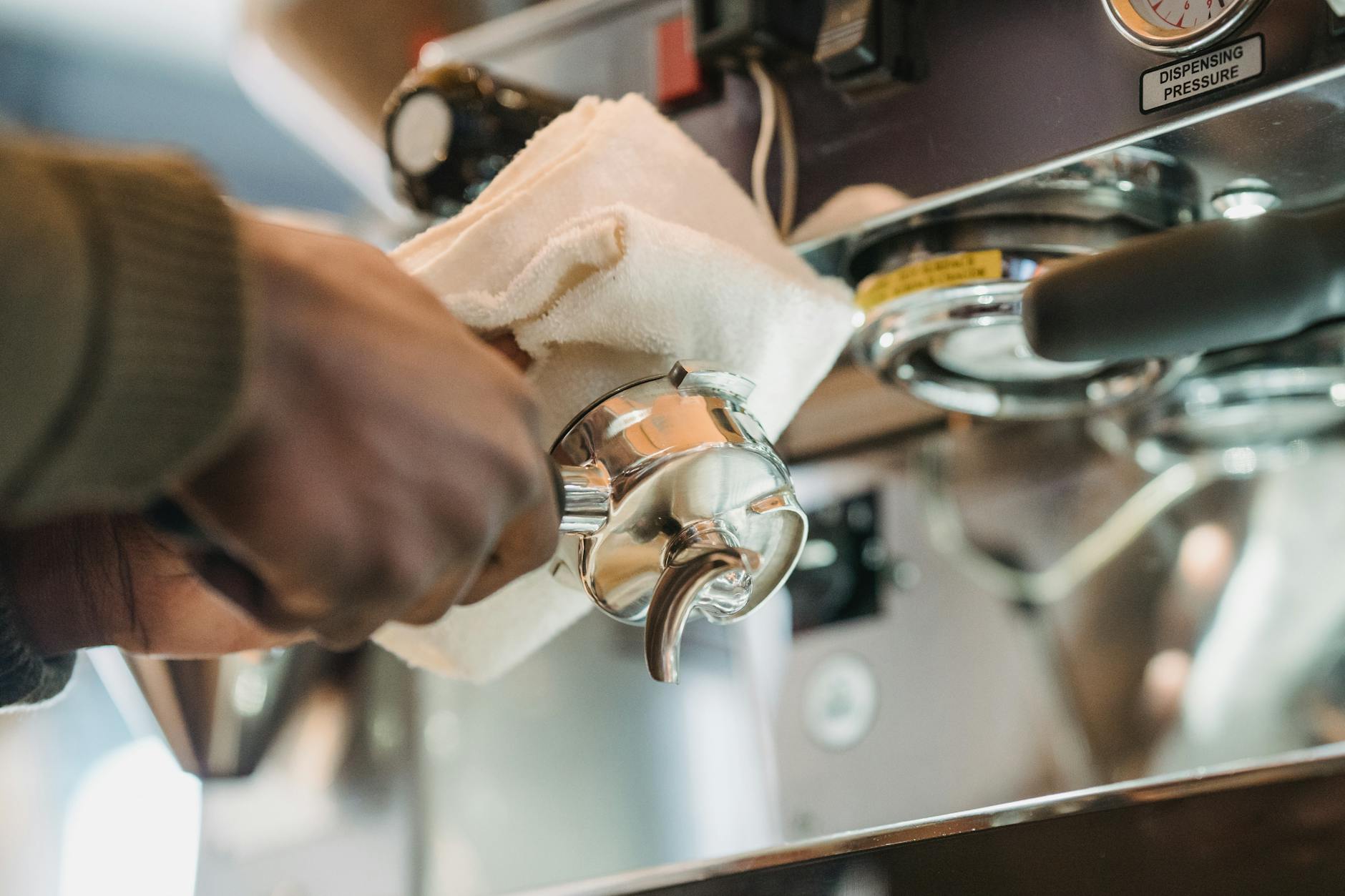
Before you even think about plugging in your machine, a thorough visual check is the first order of business. An idle machine can accumulate dust or, in rare cases, attract unwanted pests. Start by giving the entire exterior a good wipe-down with a damp microfiber cloth. Pay close attention to the nooks and crannies where dust loves to settle. Next, remove the drip tray and water reservoir. The drip tray will likely have some dried residue, so give it a proper wash with soap and water. The water reservoir is especially important. Never use water that has been sitting in it for weeks. Empty it completely, wash it with warm, soapy water to remove any potential biofilm, and rinse it thoroughly before refilling with fresh, filtered water.
Don’t forget the portafilter and its baskets. Hopefully, you cleaned them before you left, but it’s always wise to double-check. Old, dried coffee pucks can be difficult to remove and can impart unpleasant flavors. Give the portafilter and baskets a quick rinse and wipe to ensure they are clean and ready for action. This initial once-over ensures you are starting with a clean slate.
Flushing the system and priming the pump
With the external components clean and the reservoir filled with fresh water, it’s time to focus on the machine’s internals. The most critical step after a long period of inactivity is to flush the entire system. This process serves two vital purposes: it purges any stale, stagnant water from the boiler and pipework, and it primes the pump. A pump that runs dry, even for a few seconds, can suffer damage. Priming ensures it is full of water and ready to operate correctly.
To begin, turn your machine on and let it come up to temperature. Then, perform the following steps:
- Flush the group head: Place a large cup under the group head and run the pump for at least 30 to 60 seconds. This will push a significant volume of fresh water through the main system.
- Purge the steam wand: Open the steam valve and purge it for about 15 to 20 seconds. You might see some sputtering at first as old, condensed water is forced out.
- Run the hot water outlet: If your machine has a separate hot water dispenser, run about a cup’s worth of water through it.
This comprehensive flush guarantees that every drop of old water is replaced with fresh water, which is essential for both the taste of your coffee and the health of your machine’s internal components.
To descale or not to descale
After flushing the system, you might wonder if a full deep clean, like descaling or backflushing, is necessary. The answer depends on your regular maintenance schedule. Backflushing with a specialized coffee detergent is almost always a good idea. This process uses a blind basket in your portafilter to force hot water and detergent back through the group head’s shower screen and three-way solenoid valve, blasting away built-up coffee oils and fines. These oils can turn rancid over time, leading to bitter-tasting espresso.
Descaling, however, is a more involved process and may not be necessary. If you were due for a descale before your vacation, now is the perfect time to do it. Likewise, if you use hard, unfiltered water, descaling is a good preventative measure. But if you consistently use softened or properly filtered water and stick to a regular descaling schedule (e.g., every 3 to 6 months), you can likely skip it. An unnecessary descale won’t harm your machine, but it is a time-consuming step you can probably avoid. Always follow your machine manufacturer’s specific instructions for both backflushing and descaling.
Dialing in that first post-vacation shot
Your machine is now clean, primed, and fully heated. The final step before you can savor that first coffee is to dial in your shot. The coffee beans left in your grinder’s hopper and burrs are likely stale after a few weeks. It’s crucial to purge this old coffee by grinding and discarding about 10-15 grams of beans. This ensures you are using the freshest possible grounds for your espresso.
Next, prepare what is often called a “sacrificial shot.” Don’t expect this first pull to be perfect. Its purpose is to season the freshly cleaned group head with coffee oils and to re-establish a thermal equilibrium within the system. It also allows you to check your grind setting. Environmental changes, such as shifts in humidity while you were away, can affect how your coffee grinds. Your first shot will tell you if you need to adjust your grind finer or coarser to achieve that perfect 25 to 30 second extraction time. Once you’ve dialed it in, you’re officially ready to enjoy a fantastic, home-brewed espresso.
| Task | Why it’s important | Estimated time |
|---|---|---|
| Visual inspection & external wipe-down | Removes dust and allows for a quick check for any issues. | 5 minutes |
| Clean water reservoir & drip tray | Removes stale water, residue, and potential biofilm buildup. | 5 minutes |
| Flush all water outlets | Primes the pump and purges stale water from the boiler and lines. | 5 minutes |
| Backflush with detergent | Recommended. Cleans coffee oils from the group head for better taste. | 10 minutes |
| Purge the grinder | Gets rid of stale, old beans left in the burrs and hopper. | 1 minute |
| Pull a “dial-in” shot | Seasons the machine and helps you verify your grind settings. | 5 minutes |
Taking a few moments to properly awaken your espresso machine after a vacation is a small investment with a huge payoff. By following this simple routine, you ensure you’re not brewing with stale water or rancid coffee oils, which can ruin the taste of your drink. This post-vacation ritual protects your machine from potential damage, such as running a dry pump, and extends its overall lifespan. It methodically takes you from a dusty, dormant appliance to a clean, primed, and perfectly calibrated coffee-making powerhouse. So, before that caffeine craving fully takes hold, give your machine the care it deserves. The reward, a truly delicious and satisfying cup of espresso, is the perfect way to welcome yourself home.


 No products in the cart.