

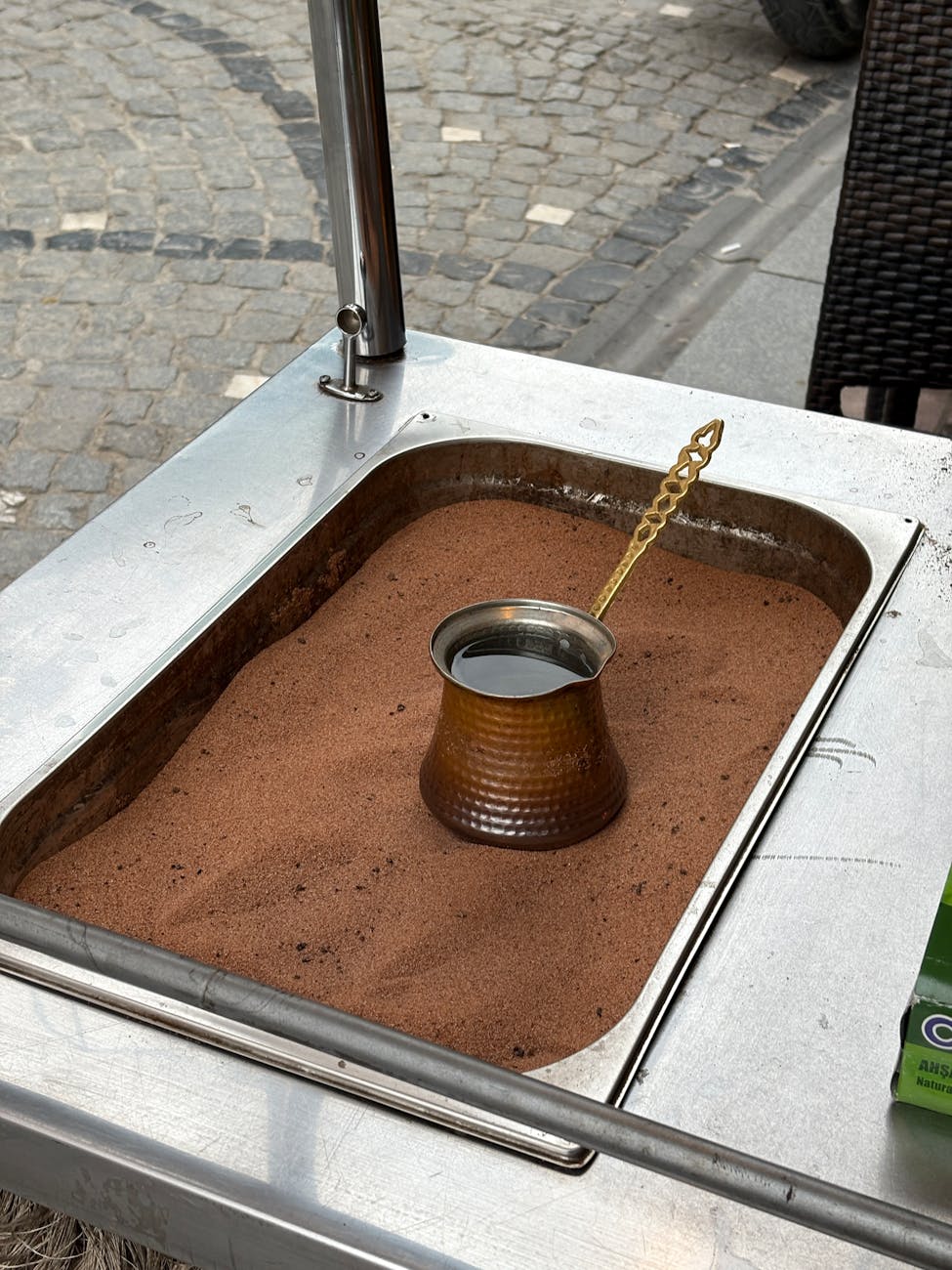
Pre-heating water vs. cold start: The ultimate guide to perfect Turkish coffee
The art of brewing Turkish coffee is a time-honored tradition, a ritual steeped in culture and precision. Every element, from the fineness of the grind to the type of cezve used, plays a crucial role. Yet, one of the most debated topics among enthusiasts and baristas alike is a seemingly simple one: should you start with cold water or pre-heated water? This fundamental choice dramatically impacts the final cup, influencing everything from the rich foam, known as kaymak, to the depth and complexity of the flavor. In this article, we will delve into both methods, exploring the traditions and the science behind them to finally settle the debate and guide you toward brewing the most authentic and delicious cup of Turkish coffee possible.
The traditional cold start method
The classic, most widely accepted method for brewing Turkish coffee begins with cold, fresh water. This is the technique passed down through generations and is considered by purists to be the only authentic way. The process is a patient one: you combine the micro-fine coffee grounds, sugar (if desired), and cold water directly in the cezve (also called an ibrik). The mixture is stirred gently just until the grounds are incorporated, and then the pot is placed over a low heat source.
The magic of this method lies in its slowness. As the water temperature gradually increases, it allows for a prolonged and gentle extraction process. The coffee grounds have more time to become fully saturated, releasing their intricate array of soluble flavors, oils, and aromatic compounds in a balanced and layered way. This slow build-up of heat is also paramount for creating the signature element of a perfect Turkish coffee: a thick, creamy, and persistent foam, or kaymak. The gradual heating allows the carbon dioxide trapped in the coffee grounds to be released slowly, forming stable, fine bubbles that create that coveted velvety crown on your cup.
The pre-heated water shortcut
In our fast-paced world, it’s no surprise that a shortcut for this traditional method has emerged. The pre-heated water approach involves adding hot or near-boiling water to the coffee grounds in the cezve. Naturally, this significantly reduces the overall brewing time, as the mixture reaches the ideal foaming temperature much more quickly. Proponents of this technique often use it for convenience, aiming to get a quick caffeine fix without the patient wait required by the cold start.
However, this speed comes at a cost that connects directly to the previous chapter’s points on extraction. By “shocking” the grounds with hot water, you trigger a rapid and aggressive extraction. While this can pull out strong coffee flavors instantly, it often bypasses the more subtle, delicate notes that make Turkish coffee so unique. This method can also lead to a less desirable flavor profile, sometimes resulting in a flatter, more one-dimensional taste or even an over-extracted bitterness. Furthermore, the rapid release of gases makes it incredibly difficult to form a stable and rich kaymak. The foam is often thin, dissipates quickly, or may not form at all, which is a critical flaw for any traditionalist.
Extraction, flavor, and foam: A scientific look
To truly understand why the starting water temperature is so critical, we need to look at the science of coffee brewing. Coffee extraction is the process of dissolving flavor compounds from coffee grounds into water. Temperature is one of the most important variables in this equation.
- Impact on flavor: With a cold start, the extraction is gradual. The water first pulls out fruity and acidic notes as it warms up. As the temperature climbs, it begins to extract the sugars, oils, and deeper, richer compounds that contribute to body and sweetness. This sequential extraction creates a complex, well-rounded, and balanced cup. A hot start, in contrast, is like a flash flood. It extracts everything very quickly, often leading to a muddled flavor profile where the more aggressive, bitter compounds can overpower the delicate ones.
- Formation of kaymak: The foam is a beautiful emulsion of coffee proteins, oils, and trapped micro-bubbles of CO2. In a cold start, the slow heating process allows these gases to be released gently from the ultra-fine grounds. This creates small, strong, and stable bubbles that collect at the surface, forming a dense and lasting foam. When you use hot water, the CO2 is released in a violent burst, creating large, weak bubbles that pop almost immediately, resulting in a thin and fleeting foam.
Comparing the methods: A final verdict
While personal preference always plays a role, when we evaluate the two methods based on the established standards of a high-quality Turkish coffee, a clear winner emerges. The goal is a brew that is full-bodied, aromatic, and crowned with a thick layer of kaymak. Let’s compare them side-by-side.
| Criteria | Cold Start Method | Pre-heated Water Method |
|---|---|---|
| Brewing Time | Longer (3-5 minutes) | Shorter (1-2 minutes) |
| Flavor Profile | Complex, balanced, full-bodied, rich. | Often flat, can be overly bitter or weak. |
| Foam (Kaymak) Quality | Thick, creamy, dense, and long-lasting. | Thin, bubbly, and dissipates quickly. |
| Authenticity | The traditional and authentic method. | A modern shortcut, not traditional. |
| Forgiveness | More forgiving and easier to control foam. | Very easy to boil over and miss the foam. |
As the table illustrates, the only advantage of the hot water method is speed. In every other aspect that defines a quality cup of Turkish coffee—flavor, body, and especially foam—the traditional cold start method is vastly superior. It honors the coffee bean by allowing it to express its full range of flavors through a gentle and complete extraction.
Conclusion
In the debate of pre-heating water versus a cold start for Turkish coffee, tradition and science are in perfect agreement. While using hot water can give you a coffee-like beverage in less time, it is a compromise that sacrifices the very essence of what makes this brewing style so special. The cold start method is not merely a preference; it is a fundamental technique essential for achieving a balanced, nuanced flavor profile and, most importantly, the thick, velvety kaymak that is the hallmark of authenticity. The slow, patient process allows for a superior extraction and a richer sensory experience. For anyone seeking to master the art of Turkish coffee and enjoy it as it was intended, the answer is clear: always start with cold water.


 No products in the cart.