

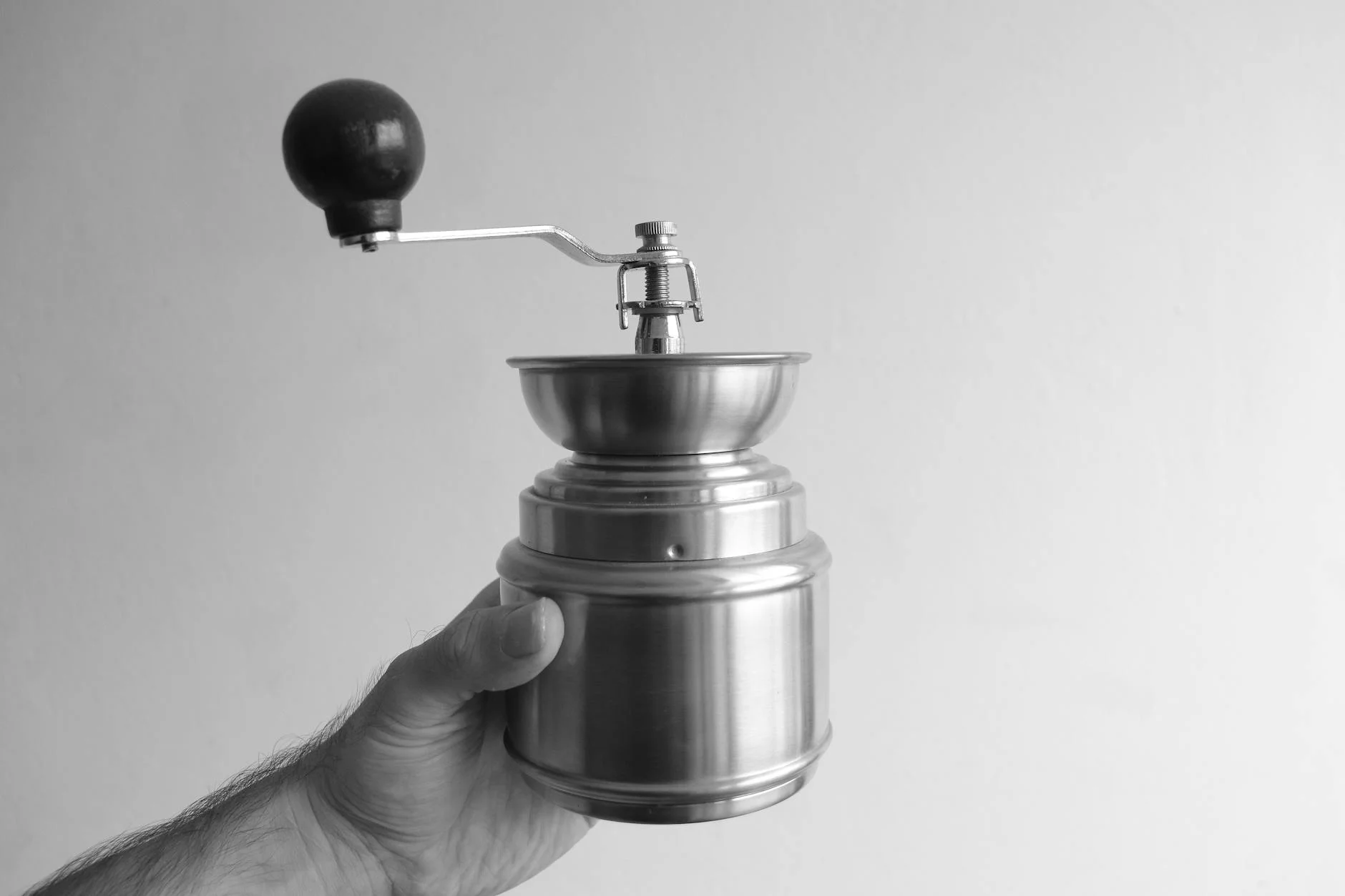
Grind, brew, serve: Master your grinder workflow for faster morning rushes
The morning rush is the lifeblood of any coffee shop. It’s a chaotic dance of steaming milk, tamping espresso, and calling out names. Yet, amidst this symphony of sounds, one piece of equipment can become a major bottleneck: the coffee grinder. An inefficient grinder workflow can stall the entire production line, leading to longer wait times, frustrated customers, and stressed-out baristas. The difference between a smooth, profitable morning and a frantic, inefficient one often comes down to the seconds saved at the grinder. This article will delve into practical strategies and proven methods to optimize your grinder workflow, transforming it from a point of friction into a pillar of efficiency during your busiest hours.
Pre-rush preparation: Setting the stage for success
The secret to a seamless morning rush begins long before the first customer walks through the door. Proactive preparation is the foundation of an efficient workflow. The most critical pre-rush task is dialing in your espresso. This involves adjusting the grind size to achieve the perfect extraction time for your target recipe. Doing this in a calm, controlled environment prevents frantic, wasteful adjustments mid-service. A shot that pulls too quickly or too slowly not only compromises quality but also forces the barista to stop, purge grounds, readjust, and pull another shot, killing momentum.
Beyond calibration, ensure your station is fully stocked and ready for battle. This means filling the hopper with fresh beans, wiping down the grinder to remove old grounds, and organizing your tools. Have clean, dry portafilters, tampers, distribution tools, and scales all within immediate reach. Creating a system where everything has its place eliminates the need to search for tools, a small time-saver that compounds significantly over hundreds of transactions.
To batch or to single dose? Choosing the right grinding method
One of the most significant decisions affecting your grinder workflow is the method you use to dose your coffee. The two primary approaches are batch grinding (or using a hopper) and single dosing. Each has distinct advantages and is suited for different service environments. Understanding their trade-offs is crucial for optimizing your specific setup.
Single dosing involves weighing the exact amount of beans needed for each individual shot and grinding them to order. This method offers unparalleled freshness and minimizes waste, as you only grind what you immediately use. It’s ideal for specialty cafes that offer multiple single-origin espressos, allowing for quick changes between different beans. However, the process of weighing each dose can add several seconds to every drink, which can be a significant drawback during high-volume periods.
Conversely, batch grinding involves filling a large hopper and using a timed or volumetric doser to dispense grounds directly into the portafilter. This is significantly faster on a per-drink basis, making it the preferred method for most high-volume shops. The primary challenge is managing freshness. Coffee begins to stale quickly once ground, so it’s vital to only grind what you expect to use in a short period and to purge the first few grams of grounds after the grinder has been idle.
| Factor | Single Dosing | Batch Grinding (Hopper) |
|---|---|---|
| Speed per Drink | Slower (requires weighing) | Faster (grind-on-demand) |
| Freshness | Maximum freshness | Good, but requires management |
| Waste | Minimal | Higher potential for waste |
| Flexibility | Excellent for multiple coffees | Ideal for a house blend |
| Best For | Specialty shops, lower volume | High-volume cafes, efficiency |
Ergonomics and station layout: The art of movement
Once you’ve chosen your grinding method, the next step is to optimize the physical space around it. An ergonomic bar layout is designed to minimize unnecessary movement, allowing baristas to work faster and with less physical strain. Think of your primary workspace, the area between the grinder and the espresso machine, as a high-efficiency zone. A well-designed station allows a barista to grind, distribute, tamp, and lock in the portafilter with just a few smooth, practiced motions.
Position your grinder directly next to your espresso machine. Your scale should be placed either directly under the grinder’s chute for single dosing or next to it for weighing portafilters. The knock box for spent pucks should be conveniently located to allow for a quick clear-out after each extraction. Keep essential tools like tampers, distribution tools, and cleaning cloths in a designated spot within arm’s reach. The goal is to create a logical flow: grind -> prep -> brew -> clean. Eliminating even a single extra step or awkward pivot, when repeated hundreds of times a day, translates into significant time savings and a more fluid, less fatiguing service.
Maintenance and consistency: The long-term efficiency plan
An often-overlooked aspect of workflow efficiency is routine grinder maintenance. A poorly maintained grinder is not just a quality risk; it’s a speed impediment. Over time, coffee oils and fine particles build up inside the burr chamber and dispensing chute. This buildup can cause clumping, inconsistent dosing, and slower grinding times. Even worse, worn-out burrs are a silent killer of efficiency. As burrs dull, they produce a less uniform particle size and take longer to grind the same dose, forcing the barista to constantly adjust the grind setting to chase the perfect shot time.
Implement a strict cleaning schedule. This should include daily tasks like purging old grounds and brushing the chute, as well as weekly deep cleans using grinder-specific cleaning tablets. Regularly inspect the burrs for wear and tear, and plan for their replacement according to the manufacturer’s recommendations or based on the volume of coffee you grind. A clean, well-maintained grinder with sharp burrs is not just more consistent; it’s faster and more reliable, ensuring your workflow remains uninterrupted when you need it most.
In conclusion, mastering your grinder workflow is a multifaceted endeavor that pays enormous dividends in speed, quality, and customer satisfaction. It begins with meticulous pre-rush preparation, ensuring your equipment is calibrated and your station is primed for action. The core of your strategy lies in making a conscious choice between single dosing and batch grinding, selecting the method that best aligns with your shop’s volume and menu. This choice must be supported by an ergonomic station layout that promotes fluid, intuitive movement. Finally, a commitment to regular maintenance ensures your grinder remains a reliable asset rather than a point of failure. By integrating these practices, you can transform the morning rush from a period of stress into a smooth, efficient, and highly profitable operation.
 No products in the cart.