

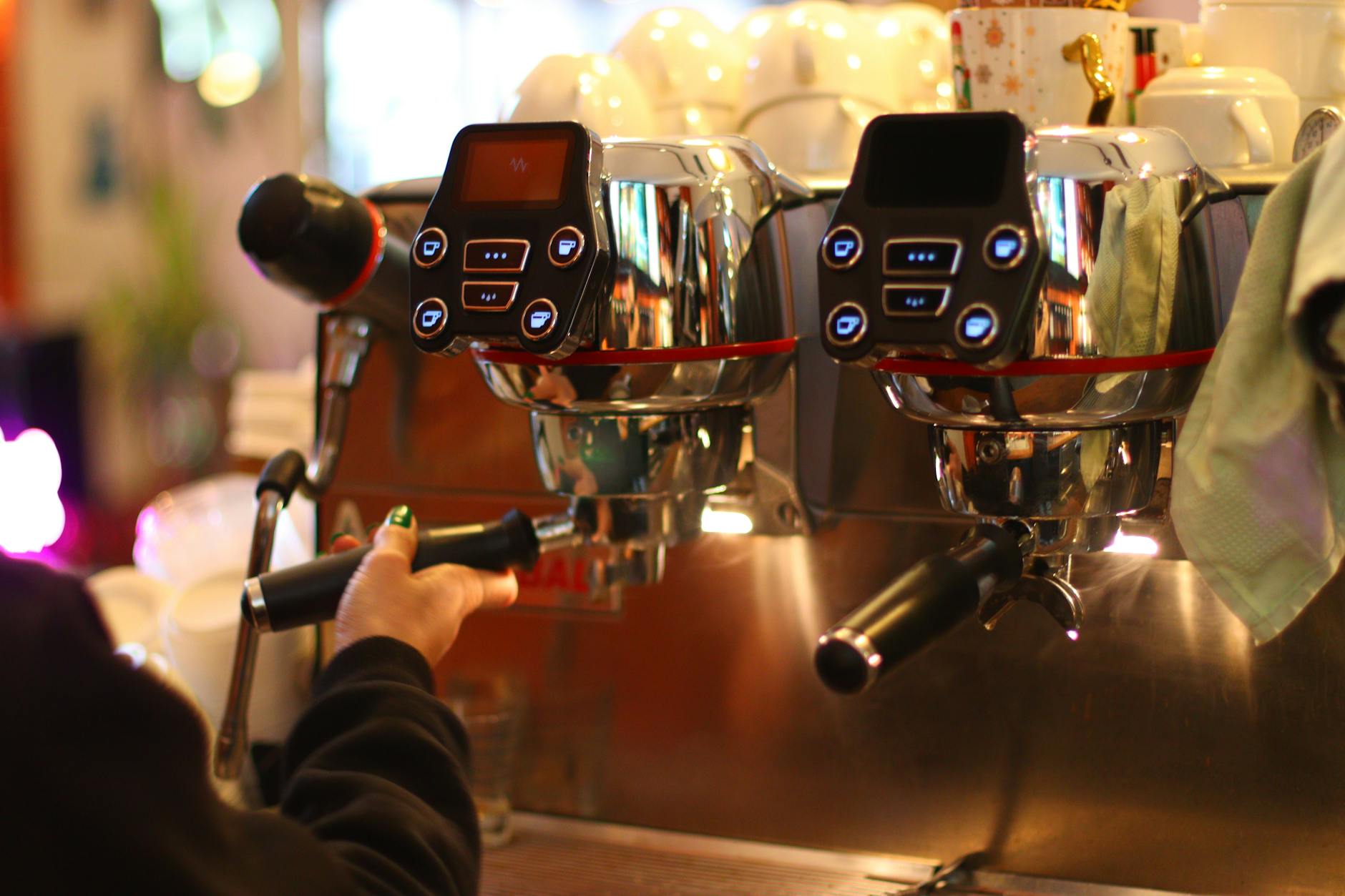
Title: Optimizing the Gaggia Classic warm-up time for better extraction temperature
Unlock perfect espresso: A guide to the Gaggia Classic warm-up
The Gaggia Classic is a legendary entry-level espresso machine, celebrated for its robust build and potential to produce cafe-quality shots. However, many new owners struggle with consistency, often pulling shots that are disappointingly sour or overly bitter. The culprit is frequently not the beans or the grind, but something more fundamental: extraction temperature. The machine’s small boiler and massive brass group head create a unique thermal challenge. Simply waiting for the ready light to turn on is a common mistake that leads to unstable temperatures. This guide will delve into why a proper warm-up routine is crucial for your Gaggia Classic. We will explore practical techniques, from simple process changes to smart upgrades, to achieve the thermal stability needed for consistently delicious espresso.
Why temperature is the secret to great espresso
Espresso extraction is a delicate chemical reaction where hot, pressurized water dissolves soluble compounds from finely ground coffee. Temperature is the catalyst that governs this entire process. If the water is too cool, it won’t extract enough of the desirable sugars and oils, resulting in a thin, sour, and acidic shot. This is known as under-extraction. Conversely, if the water is too hot, it will scald the grounds and extract unwanted bitter compounds, leading to an acrid and harsh taste, a clear sign of over-extraction.
The Gaggia Classic’s design presents a specific challenge. It has a small aluminum boiler that heats up quickly, but it’s attached to a heavy, commercial-grade brass group head and portafilter. Brass is excellent at retaining heat, which is great for stability, but it takes a long time to get up to temperature. When you only wait for the boiler’s ready light, you have hot water in the boiler but a relatively cold group head and portafilter. As the hot water travels through these cooler components, its temperature plummets right before it hits the coffee puck, leading to chronic under-extraction.
Going beyond the ready light: A proper warm-up routine
The single biggest mistake Gaggia Classic users make is relying solely on the brew-ready indicator light. This light is connected to a simple thermostat on the boiler. It tells you when the water inside the boiler has reached a certain temperature, but it tells you nothing about the temperature of the rest of the system. To achieve thermal equilibrium, where the group head and portafilter are as hot as the water, you need to go further.
A truly effective warm-up routine involves heating the entire brew path. The goal is to eliminate any cold spots that could sap heat from your brew water. Here is a baseline routine for achieving much better temperature stability:
- Allow for sufficient time: Turn your machine on at least 15 to 20 minutes before you plan to pull your first shot. This gives the passive heat from the boiler time to radiate and warm up the brass group head.
- Keep the portafilter locked in: Always warm up the machine with the portafilter locked tightly into the group head. This ensures it heats up along with the machine, creating one solid, hot thermal mass.
- Perform a warming flush: Just before you pull your shot, run a few ounces of water through the group head and portafilter (without coffee in it). This “warming flush” serves two purposes. It purges any slightly cooler water from the lines and gives the portafilter a final blast of heat, ensuring it’s at the perfect temperature.
Following this simple, patient routine will dramatically improve the consistency and taste of your espresso shots by ensuring the water hitting your coffee is at the correct temperature.
Mastering temperature with flushing and surfing
Once you have a basic warm-up routine down, you can introduce more advanced techniques to gain even greater control over your brew temperature. These methods are popular among enthusiasts and help you work with the machine’s temperature cycle, not against it.
Temperature surfing is the classic method for managing the Gaggia’s temperature swings. The machine’s thermostat operates within a range, turning the heating element on when the temperature drops and off when it gets too hot. By “surfing,” you learn to initiate the brew cycle at the same point in this heating cycle every time.
A common technique is to start your shot a few seconds after the heating element turns off (when the ready light goes out). This is often the most consistent and highest point in the temperature curve. To do this:
- Let the machine fully warm up (20 minutes).
- Flick the brew switch on for a few seconds to run some water out. This temperature drop will cause the thermostat to kick the heating element on (the ready light will turn off).
- Quickly prepare your coffee puck and lock the portafilter in.
- Wait for the ready light to come back on, indicating the boiler is at its peak temperature.
- Immediately start your shot. Some baristas prefer to wait a set number of seconds (e.g., 5-10 seconds) after the light comes on to let the temperature settle slightly.
Experimenting with this timing allows you to find the sweet spot for your chosen coffee beans. It turns an inconsistent process into a repeatable ritual.
Upgrades for ultimate temperature control
While manual techniques are effective, some users prefer a more hands-off and precise solution. Thankfully, the Gaggia Classic’s popularity has led to a market of simple and effective upgrades that take the guesswork out of temperature management.
The most transformative upgrade is a PID (Proportional-Integral-Derivative) controller. This is a small digital thermostat that replaces the machine’s simple mechanical one. A PID constantly monitors the boiler temperature and makes tiny, rapid adjustments to the heating element to hold the water temperature to within a single degree of your target. It completely eliminates the temperature swings that make surfing necessary, providing ultimate stability and repeatability.
For a simpler, non-invasive solution, a smart plug is an excellent investment. You can’t use it to control brew temperature, but you can use it to automate your warm-up routine. By setting it on a timer, you can have your Gaggia Classic turn on and start warming up 30 minutes before you wake up. This way, the machine is always perfectly heat-soaked and ready to go the moment you get to the kitchen.
Here’s a comparison of the different approaches:
| Method | Time Commitment | Cost | Consistency |
|---|---|---|---|
| Standard Warm-Up (Ready Light) | 5-10 minutes | $0 | Low |
| Extended Warm-Up & Flush | 20+ minutes | $0 | Medium |
| Temperature Surfing | 20+ minutes (active) | $0 | High |
| Smart Plug Automation | 20+ minutes (passive) | $10 – $25 | Medium (improves convenience) |
| PID Controller Installation | 15+ minutes | $150 – $200 | Exceptional |
Conclusion: The path to consistent espresso
The Gaggia Classic is a fantastic machine capable of producing incredible espresso, but it demands respect for the principles of thermal dynamics. Achieving the right extraction temperature is not an automatic process; it requires a deliberate and consistent approach. By moving beyond the simple ready light and adopting a proper warm-up routine, you take the most significant step toward eliminating sour shots and unlocking the full potential of your coffee beans. Whether you stick to a manual routine of extended warming and flushing, master the art of temperature surfing, or invest in a PID for ultimate precision, the key is understanding. By controlling for temperature, you remove the biggest variable standing between you and a perfect, cafe-quality espresso every single morning.
 No products in the cart.