

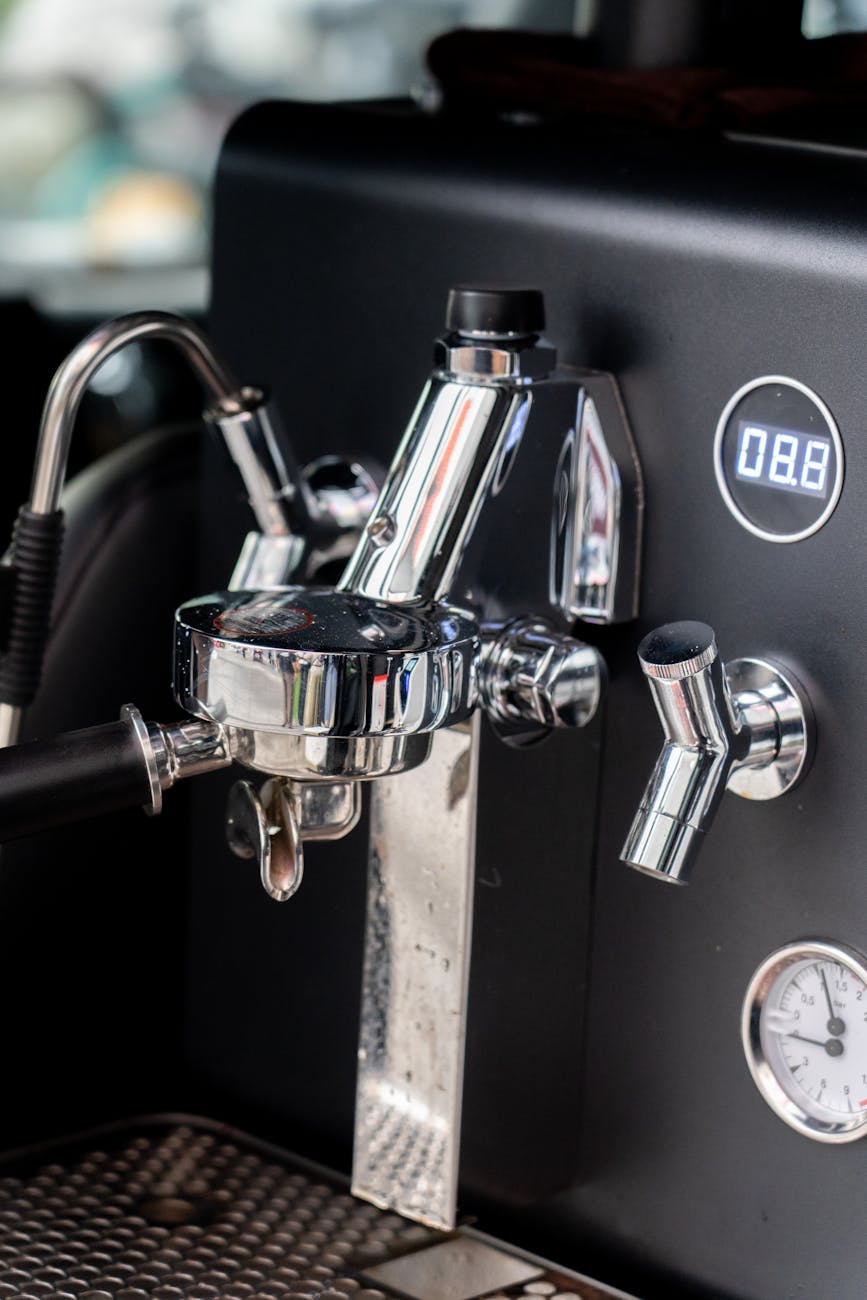
Master your E61: A guide to perfect back-to-back espresso shots
The iconic E61 group head is a marvel of espresso engineering, a gleaming chrome testament to tradition and thermal mass. Renowned for its ability to produce rich, nuanced espresso, it’s the heart of many prosumer and café machines. However, this classic design presents a unique challenge: temperature stability, especially when serving a crowd or pulling multiple shots in a row. An idle E61 group runs hot, and a post-shot group runs cool. This thermal fluctuation is the primary obstacle to achieving shot-to-shot consistency. This article will guide you through a repeatable workflow, transforming your E61 from a finicky beast into a reliable partner for pulling delicious, back-to-back espresso shots with confidence.
Understanding E61 temperature dynamics
To master the E61, you must first understand its core principle: the thermosyphon. This passive heating system continuously circulates water from the boiler, through the group head’s internal chambers, and back again. This process saturates the massive brass group head (often weighing over 9 lbs or 4 kg) with heat, creating a stable thermal environment for brewing. However, this system has two key states you need to manage.
When the machine is left idle for an extended period after warming up, the water in the group head can become superheated, far exceeding the ideal brewing temperature of 195-205°F (90-96°C). Pulling a shot with this water will result in a bitter, over-extracted mess. Conversely, the act of pulling a shot introduces cool water into the system and draws heat out of the group, causing a significant temperature drop. This is the central challenge of pulling back-to-back shots: you are constantly battling these two extremes to hit a precise temperature window for every single extraction.
The pre-shot routine: Taming the idle group
Your journey to consistency begins before you even grind your first dose. The goal of the pre-shot routine is to bring the overheated idle group down to your target brewing temperature. This is achieved through a technique called a cooling flush. After your machine has been fully warmed up for at least 30-45 minutes, you simply run the pump without the portafilter engaged. This purges the superheated water and draws cooler water into the group, steadily lowering its temperature.
While some baristas rely on the “water dance”—watching for the sputtering of flash-boiling water to cease—this method is imprecise. The single most valuable tool for an E61 user is a group head thermometer. This device replaces the group head’s front screw and provides a real-time digital readout of the water temperature within the group. With a thermometer, you can perform your cooling flush with surgical precision. For example, if your target brew temperature is 200°F, you might flush until the thermometer reads 198°F, lock in your portafilter, and start the shot as the temperature rebounds to 200°F. This repeatable flush is the foundation of your entire workflow.
The back-to-back challenge: Managing thermal recovery
You’ve pulled your first perfect shot. Now, the clock is ticking. The group head is now cooler than your target temperature. The key to the next shot is managing the group’s thermal recovery. Immediately after your first shot, you should begin your workflow for the second. This involves:
- Knocking out the used puck.
- Wiping and drying the portafilter basket.
- Grinding, distributing, and tamping your next dose.
This entire process should take roughly 30-60 seconds. While you are preparing the puck, the thermosyphon is already working to reheat the group head. By the time you are ready to lock in the portafilter, the temperature will have rebounded significantly. Here, your group head thermometer is again your best friend. Observe the temperature as it climbs. It may climb directly to your target temperature, at which point you can immediately pull your shot. In other cases, it might stall just below your target. If so, a very short flush of 1-2 seconds, often called a “warming flush”, can be used to bump the temperature up to your desired point before pulling the shot. The goal is to develop a rhythm where your puck preparation time aligns perfectly with the group’s thermal recovery time.
Advanced tools for ultimate consistency
Once you’ve mastered the basic flush-and-recover workflow, you can introduce more tools and techniques to further refine your process. A flow control device, for instance, allows you to manually manipulate the flow rate of water through the puck. This not only opens up a world of pressure profiling but also impacts thermal management, as a long, low-flow pre-infusion will interact with the group’s temperature differently than a standard 9-bar extraction. You will need to adjust your flushing routine to account for this.
Another crucial, yet often overlooked, element is portafilter management. Always keep a spare portafilter locked into the group head between shots. A cold portafilter can sap a significant amount of heat from your brew water, leading to under-extraction. By keeping it hot, you eliminate a major variable. To truly dial in your process, consider keeping a log. Tracking key variables can reveal patterns and help you perfect your timing.
| Shot number | Initial flush time | Prep/rebound time | Target brew temp (°F) | Shot time | Taste notes |
|---|---|---|---|---|---|
| 1 | 8 seconds | N/A | 200 | 28 seconds | Balanced, sweet, good body. |
| 2 | 1-second warming flush | 45 seconds | 200 | 29 seconds | Very consistent with shot 1. |
| 3 | No flush needed | 50 seconds | 200 | 27 seconds | Slightly brighter, still excellent. |
Mastering the E61 workflow is less about magic and more about method. By understanding the principles of its thermosyphon system, you can learn to manage its thermal behavior instead of being a victim of it. The key lies in establishing a repeatable routine: a precise cooling flush for the first shot, followed by a timed and measured approach to puck preparation that allows the group to recover its temperature for subsequent shots. Investing in a group head thermometer is non-negotiable for anyone serious about consistency. It removes the guesswork and provides the data needed to turn a frustrating variable into a controllable constant. With practice, this workflow will become second nature, empowering you to pull consistently delicious espresso shots, back-to-back, every time.
 No products in the cart.