

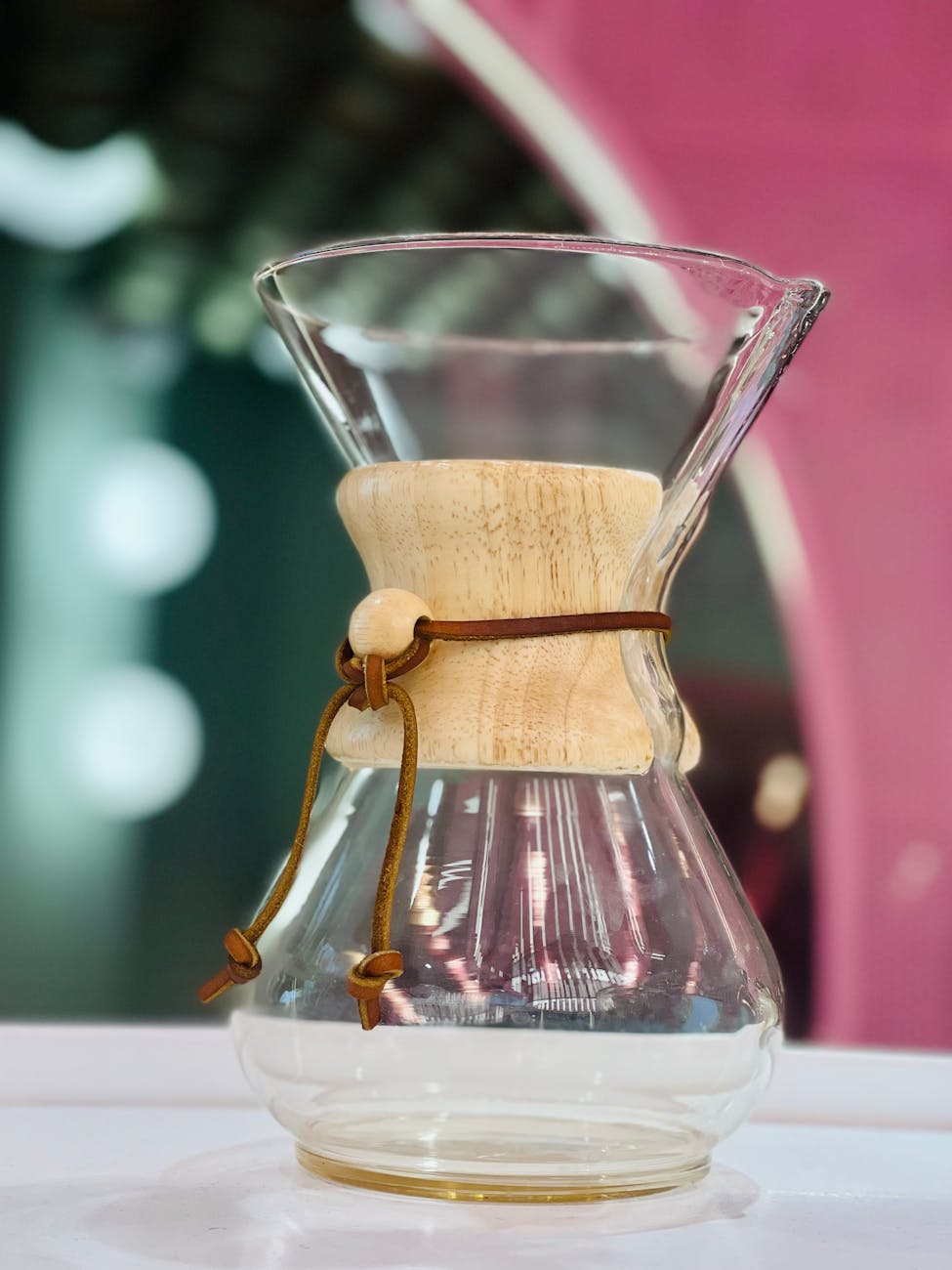
Is your morning coffee routine feeling a little… routine? For many, that first cup is a non-negotiable ritual, but the result is often a lackluster brew from an old automatic machine. You might think that a café-quality coffee experience is out of reach at home, reserved only for professional baristas. The good news is that’s simply not true. Transforming your daily cup from mediocre to magnificent doesn’t require a massive budget or years of training. It starts with a few key pieces of equipment. In this guide, we’ll explore the essential coffee making tools that will give you control over the brewing process and unlock the incredible flavors hidden inside your favorite beans, upgrading your morning brew for good.
The foundation: a quality burr grinder
If you make only one change to your coffee setup, let it be this: buy a quality burr grinder. Coffee beans are at their absolute best right after they are ground. Pre-ground coffee, while convenient, begins to lose its volatile aromatic compounds almost immediately due to oxidation. Grinding your beans just moments before you brew is the single most impactful step toward a better-tasting cup.
But not all grinders are created equal. You’ll typically find two types: blade and burr. A blade grinder works like a blender, using a spinning blade to randomly chop the beans into pieces of varying sizes. This inconsistency leads to uneven extraction, where some grounds give up their flavor too quickly (becoming bitter) while others don’t extract enough (remaining sour). A burr grinder, on the other hand, uses two revolving abrasive surfaces to crush beans into a uniform size. This consistency is the secret to a balanced, delicious extraction, allowing you to get the best out of every single bean.
Precision matters: the digital scale and gooseneck kettle
Once you have your fresh, evenly ground coffee, the next step is to control the brewing variables. This is where precision tools come into play, moving you from guesswork to consistent, repeatable results. First up is the digital kitchen scale. Why? Because brewing coffee is all about ratios. Using a scoop to measure beans is notoriously inaccurate, as bean density and size can vary. A scale allows you to use a precise coffee-to-water ratio (a great starting point is 1:16, or 1 gram of coffee for every 16 grams of water), ensuring your brew strength is perfect every single time.
Paired with the scale is the gooseneck kettle. While any kettle can boil water, a gooseneck’s long, thin spout gives you incredible control over the flow and placement of your water. This is especially crucial for manual brewing methods like pour-over. A slow, steady pour ensures that all the coffee grounds are saturated evenly, promoting a uniform extraction. A standard kettle’s gushing pour can agitate the coffee bed, creating channels where water bypasses the grounds, leading to a weak and underdeveloped cup.
Choose your brewing method
With your beans ground and your water ready, it’s time to brew. Moving beyond the standard automatic drip machine opens up a world of flavor and texture. The method you choose will have a profound impact on the final cup. This isn’t about one being “better” than another; it’s about finding the style that best suits your taste preferences and desired involvement in the process.
- Pour-Over: Devices like the Hario V60 or Chemex are all about clarity and nuance. This hands-on method, where you manually pour water over the coffee bed, tends to produce a clean, bright cup that highlights the delicate, acidic, and floral notes of a coffee.
- Immersion: The French Press is the classic example of immersion brewing, where coffee grounds steep directly in the water. This results in a full-bodied, rich, and robust cup with a heavier mouthfeel, as more oils and fine sediment make it into the final brew. The AeroPress is a modern, versatile immersion brewer known for its smooth, low-acidity coffee and quick brew time.
- Moka Pot: For those who enjoy a strong, concentrated, espresso-like coffee without an expensive machine, the stovetop Moka Pot is a fantastic choice. It uses steam pressure to push water through the grounds, creating a bold and intense brew.
Here is a simple breakdown of these popular methods:
| Brewing Method | Flavor Profile | Grind Size | Ease of Use |
|---|---|---|---|
| Pour-Over (V60, Chemex) | Clean, bright, nuanced | Medium-fine | Requires practice |
| French Press | Full-bodied, rich, robust | Coarse | Very easy |
| AeroPress | Smooth, clean, versatile | Fine to medium | Easy to learn |
| Moka Pot | Bold, intense, strong | Fine | Moderate |
The final touch: water and storage
You can have the best beans and the fanciest equipment, but if you overlook two final details, your coffee will suffer. The first is water. Your coffee is over 98% water, so its quality is critical. Tap water that is heavily chlorinated or has a high mineral content can introduce off-flavors and negatively affect extraction. For a clean, pure taste that lets the coffee’s origin flavors shine through, always use filtered water. The second detail is proper storage. Coffee’s greatest enemies are oxygen, light, heat, and moisture. To keep your beans fresh, store them in an airtight, opaque container in a cool, dark place like a cupboard or pantry. Avoid the refrigerator or freezer, as condensation can damage the beans.
The path to a better cup of coffee is a rewarding journey, not a destination. It begins by taking control of the fundamentals, starting with freshly ground beans from a quality burr grinder. From there, embracing precision with a digital scale and a gooseneck kettle will bring consistency to your craft, allowing you to replicate that “perfect cup” day after day. Exploring different brewing methods like pour-over or French Press will help you discover the exact flavor profile you love. Finally, by paying attention to details like water quality and proper storage, you ensure that your investment in great beans and tools pays off. With these key tools in your arsenal, you can leave mediocre coffee behind and elevate your morning ritual into a truly delicious experience.
Image by: Swarup Sarkar
https://www.pexels.com/@roopsarkar
 No products in the cart.