

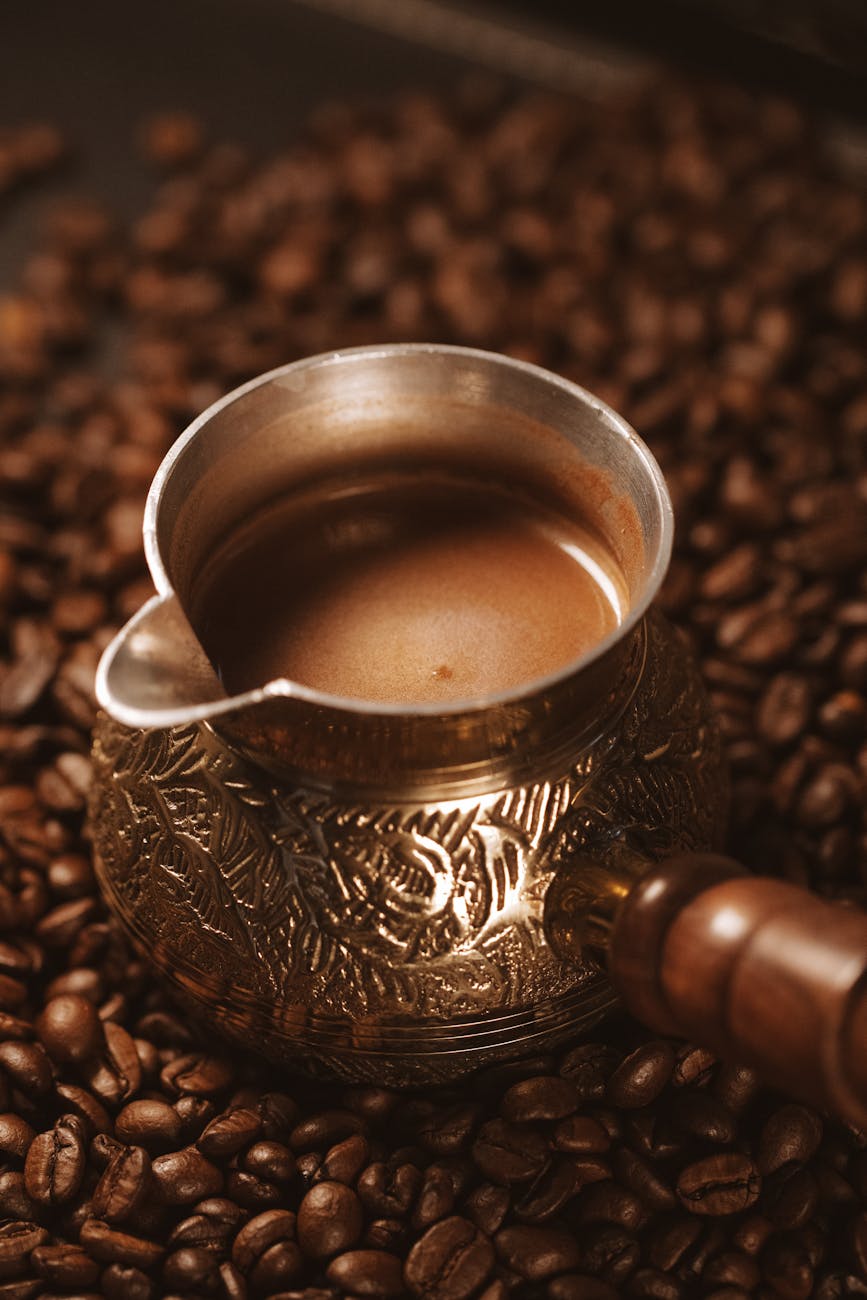
The cezve, also known as an ibrik, is one of the world’s oldest coffee brewing devices, steeped in centuries of tradition. Historically associated with a thick, strong, and often cardamom-spiced brew, its potential was largely overlooked by the modern specialty coffee movement. That, however, has changed dramatically. Today, baristas and home enthusiasts are rediscovering the cezve, not as a relic of the past, but as a dynamic tool for producing exceptionally clean, sweet, and complex cups of coffee. This article will explore the modern techniques that have elevated cezve brewing into a sophisticated art form, moving beyond tradition to unlock the nuanced flavors of high-quality, single-origin beans. We will delve into the key variables, from grind size to temperature control, that define this exciting new approach.
The cezve’s renaissance in specialty coffee
For decades, the third wave coffee movement championed methods like the V60, AeroPress, and espresso, focusing on clarity, acidity, and terroir. The traditional Turkish coffee prepared in a cezve seemed to represent the opposite: a heavy-bodied, often bitter brew where the coffee’s origin was masked by roast level and additives. The turning point came when coffee professionals began asking, “What if we applied modern principles to this ancient method?” This question sparked a revolution. They realized the cezve’s unique conical shape and direct-heat application offered incredible control over extraction. By moving away from dark roasts and the practice of boiling the coffee multiple times, brewers unlocked a new world of possibilities. The cezve is no longer just for “Turkish coffee”; it is a legitimate and respected method for brewing specialty-grade light roasts, capable of highlighting delicate floral notes and bright fruit acidity.
Sourcing your essentials: beans, water, and ratio
The foundation of any great cup of coffee rests on three pillars: the coffee itself, the water you use, and the ratio between them. For modern cezve brewing, this is truer than ever. Forget the pre-ground, dark-roasted blends of the past. The goal now is to highlight nuance, which means starting with high-quality, lightly roasted single-origin beans. Coffees from Ethiopia or Kenya, with their bright acidity and complex aromatics, perform exceptionally well. The intense and rapid extraction of the cezve can beautifully express their intricate flavor profiles.
Water is the second critical component. Since coffee is over 98% water, its mineral content significantly impacts taste. Using filtered water with a balanced mineral composition (around 75-150 ppm TDS) is ideal for a clean and vibrant extraction. Avoid distilled water, which lacks the minerals needed for flavor extraction, and overly hard tap water, which can result in a dull, chalky taste. Finally, the brew ratio has been completely re-evaluated. While traditional recipes can be as dense as 1:6 or 1:8 (coffee to water), modern techniques favor a lighter, more balanced ratio, typically starting around 1:10 to 1:12. This allows the coffee’s inherent sweetness and acidity to shine without being overpowering.
The critical role of grind consistency
Perhaps the single most important variable separating modern cezve brewing from its traditional counterpart is the coffee grind. Traditionally, Turkish coffee is ground into a fine, flour-like powder. While this creates the classic thick body, it also makes over-extraction—and the associated bitterness—almost inevitable. Modern techniques call for a slightly coarser grind. Think somewhere between a fine espresso setting and powdered sugar. It should still be very fine, but with a palpable texture, not a silky powder.
This subtle change is a game-changer. A slightly coarser grind creates more space between the coffee particles, allowing water to flow more evenly and extract flavors more gently. This reduces bitterness and astringency, leading to a much cleaner and sweeter cup. Achieving this requires a high-quality burr grinder. Blade grinders produce an inconsistent mix of boulders and dust, which is disastrous for this method. A good burr grinder, whether manual or electric, provides the uniform particles necessary for a balanced and repeatable extraction. Experimenting with your grinder’s settings is key to dialing in the perfect cup for any given bean.
Modern brewing technique: a step-by-step guide
The modern brewing process for a cezve is a controlled, gentle infusion, not a vigorous boil. The goal is to carefully manage heat to bring the coffee slurry just to the point of expansion without ever letting it reach a rolling boil, which would scald the coffee and introduce bitter flavors. This single, controlled rise is all that is needed.
Here is a basic step-by-step guide and a comparison of brewing styles:
- Measure: Using your 1:10 ratio, weigh your coffee beans and water. For example, use 10 grams of coffee for 100 grams of water.
- Grind: Grind your coffee to the consistency of fine sand or coarse flour.
- Combine: Add the ground coffee and cool, filtered water to the cezve. Stir gently for about 10-15 seconds to ensure all grounds are saturated.
- Heat: Place the cezve on a medium-low heat source (gas stoves offer the best control). The total brew time should be between 1:30 and 2:30 minutes.
- Watch closely: As the slurry heats, a dark ring of foam will form. As the temperature rises, this foam will begin to expand and rise up the neck of the cezve.
- Remove from heat: Just before the foam crests the rim of the cezve (around 92-94°C or 198-201°F), remove it from the heat. Do not let it boil over.
- Settle and serve: Let the cezve rest for about 30-60 seconds to allow the grounds to settle. Then, pour the coffee slowly into your cup to minimize transferring sediment.
| Variable | Traditional Method | Modern Specialty Method |
|---|---|---|
| Coffee Roast | Dark to very dark | Light to medium-light |
| Grind Size | Powder-like, impalpable | Very fine, but with texture (like fine sand) |
| Ratio (Coffee:Water) | 1:6 to 1:8 | 1:10 to 1:12 |
| Heating Process | Brought to a boil 2-3 times | A single, controlled rise, no boiling |
| Water | Typically tap water | Filtered, specific mineral content |
| Flavor Profile | Thick, strong, bitter, roasty | Clean, sweet, complex, highlights origin |
By mastering this technique, you can transform the cezve from a simple coffeemaker into a precision tool for flavor exploration. The result is a brew that combines the rich body the cezve is known for with the clarity and complexity prized in specialty coffee.
In conclusion, the art of brewing with a cezve has undergone a remarkable evolution. By integrating modern coffee science with this ancient tradition, we have unlocked its true potential. Moving away from powdered grinds and multiple boils and instead embracing precise ratios, quality water, and carefully selected single-origin beans has redefined what this brewer can do. The modern technique, centered on a controlled, sub-boiling infusion, yields a cup that is both full-bodied and exceptionally clean, capable of expressing the most delicate notes of a coffee’s origin. The cezve is no longer a niche or historical method; it is a testament to the idea that with knowledge and care, any brewing device can produce world-class coffee, bridging the gap between the past and the future of our industry.

 No products in the cart.