

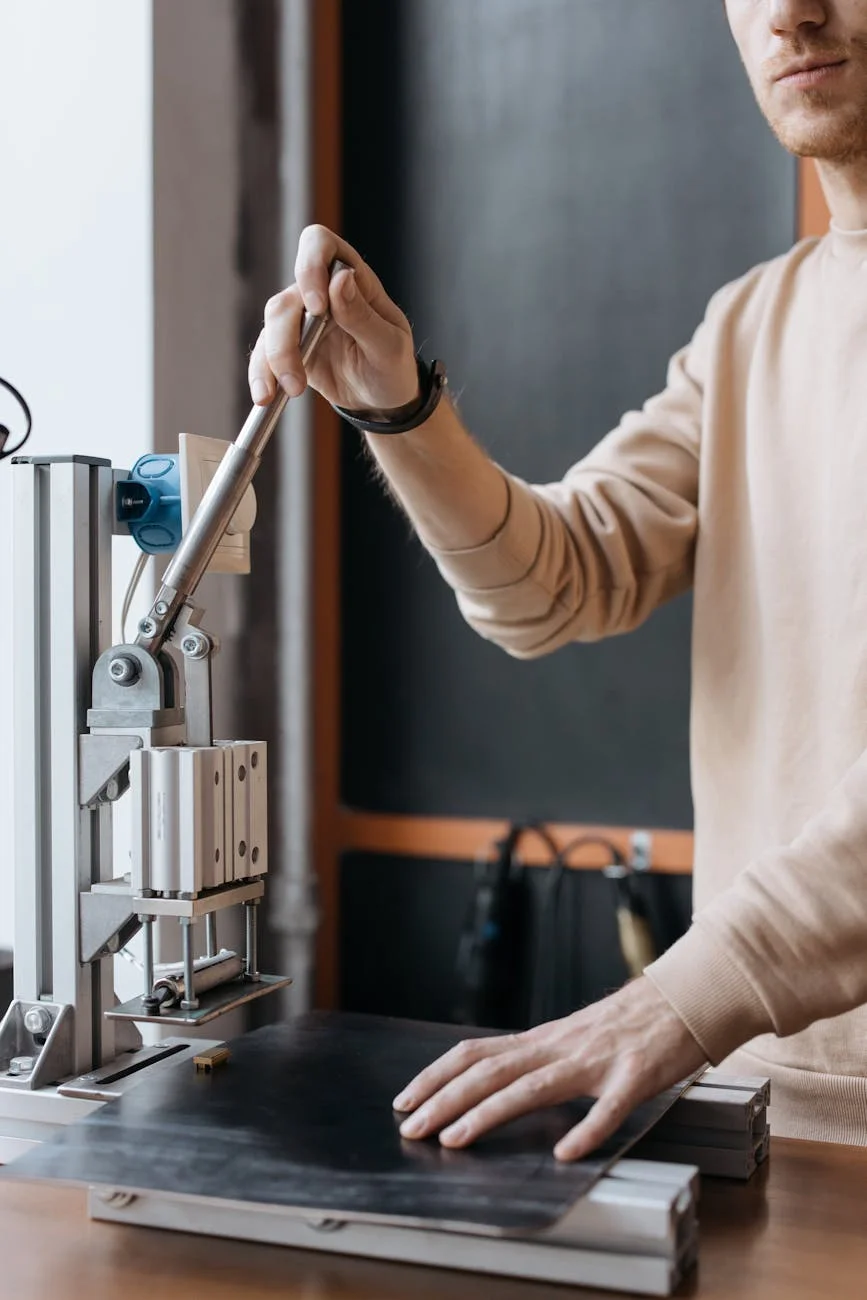
Mastering the manual lever: How to feel the resistance for better shots
The allure of a manual lever espresso machine lies in its beautiful simplicity and the intimate control it offers. Unlike its semi-automatic cousins, a lever machine forgoes pumps and buttons for pure, mechanical grace. This puts you, the barista, in complete command. But with great control comes a great learning curve. The key to unlocking its potential isn’t just in the recipe or the beans, but in learning to listen with your hands. This article will guide you through the art of “feeling the resistance” — the tactile feedback from the lever that tells you everything you need to know about your espresso puck and the quality of your extraction, transforming your shots from guesswork to deliberate craft.
Understanding the feedback loop: What the lever tells you
At its core, a manual lever machine is a direct feedback system. When you pull the lever, you are physically pushing water through a compressed puck of coffee grounds. The resistance you feel in your hand is the back-pressure created by that coffee puck. It’s a direct conversation between you and your espresso. This tactile feedback is far more immediate and intuitive than watching a pressure gauge. It tells a story about your puck preparation, grind size, and distribution before you even see a drop of espresso.
Think of it this way:
- Too little resistance: The water is rushing through the coffee too easily. Your grind is likely too coarse, your dose too low, or you have significant channeling.
- Too much resistance: The water is struggling to get through. Your grind is likely too fine, choking the machine.
- The perfect resistance: A firm, consistent pressure that feels like pressing into a dense, wet sponge. This indicates a well-prepared puck that is extracting evenly.
By learning to interpret these sensations, you move from blindly following a recipe to actively participating in and adjusting the extraction in real-time. The lever becomes an extension of your senses.
The stages of the pull: A tactile journey
An espresso shot on a lever machine isn’t a single, monolithic action; it’s a dynamic process with distinct stages, each with its own unique feel. Understanding this journey is crucial for developing muscle memory and intuition. The first step is pre-infusion, where you lift the lever to allow hot water to fill the chamber and gently saturate the puck. You should feel very little resistance here. As you begin the pull, you enter the extraction phase. The initial push is where the resistance builds. It should feel smooth and progressive, not sudden or jarring. This is your first major clue about your grind setting.
The heart of the shot is the main pull. Here, you should aim to maintain a steady, firm pressure. A good shot will provide consistent resistance throughout this phase, perhaps tapering off ever so slightly as the puck’s structure degrades and oils are extracted. If you feel the resistance suddenly drop or become “spongy,” it’s a sign of channeling. Finally, as the shot nears its end, you’ll feel a more pronounced decrease in resistance. This is your tactile signal that the best part of the extraction is over and it’s time to stop the pull to avoid a watery, bitter finish. This feeling becomes your most reliable shot timer.
Diagnosing your shot through touch
Once you’re familiar with the stages of a pull, you can start using the lever as a powerful diagnostic tool. The feedback you receive during the first 5-10 seconds of the pull can predict the final quality of the shot, allowing you to learn and adjust for the next one. Instead of just tasting a bad shot and wondering what went wrong, you can connect the taste to a specific feeling you had during the extraction. This creates a powerful learning cycle that rapidly improves your skills. The table below outlines common tactile feedback scenarios, their likely causes, and how to fix them.
| What you feel (Resistance) | What it means | How to fix it |
|---|---|---|
| Lever drops with almost no effort; feels “empty.” | Severe under-extraction. Water is gushing through the puck. The shot will be fast, watery, and sour. | Grind finer. This is the most important variable. You can also slightly increase your dose or ensure your tamp is firm and level. |
| Lever is incredibly hard to pull or completely stalls. | The puck is too dense, “choking” the machine. Water can’t pass through. The shot will be syrupy, bitter, or may not happen at all. | Grind coarser. If the grind is close, you can try slightly reducing the coffee dose first. |
| Resistance starts firm but then suddenly gives way or feels spongy. | Channeling. Water has found a path of least resistance and is bypassing the rest of the puck. The shot will be both sour and bitter. | Improve puck prep. Use a distribution tool (WDT), ensure an even bed of coffee, and apply a level tamp. |
| A smooth, building resistance that holds firm and then gently tapers off. | A great extraction! The puck has ideal density and integrity, allowing for an even flow of water. | Congratulations! Try to remember exactly how this felt and replicate the puck prep that achieved it. |
Beyond the pull: Integrating all your senses
While touch is your primary guide with a lever machine, mastery comes from integrating it with your other senses to build a complete picture of the extraction. The feel of the lever is your first data point, but it should be confirmed by sight and, ultimately, by taste. Using a bottomless portafilter is invaluable here. If you feel a sudden drop in resistance, you will likely see a jet of light-colored espresso shoot out from one area of the basket—a classic sign of a channel. If you feel that perfect, firm resistance, you’ll be rewarded with the beautiful sight of syrupy, tiger-striped espresso coning to a single, steady stream in the center.
Then comes the final verdict: the taste. Connect the sourness of a fast-feeling shot or the bitterness of a choked-feeling shot to what you experienced. When you finally feel that “god shot” resistance and see the perfect visual cues, the taste in the cup will confirm it: a balanced, sweet, and complex espresso. This triangulation of feel, sight, and taste is what closes the feedback loop and solidifies your learning, turning you from a machine operator into a true espresso craftsman.
Mastering a manual lever espresso machine is a journey of sensory development. It’s about moving beyond numbers on a scale and timers on a phone, and learning to trust the direct feedback the machine provides. By focusing on the feeling of resistance, you gain an intuitive understanding of the espresso-making process. You learn to diagnose issues like channeling or an incorrect grind size mid-pull, and you build a muscle memory for what a perfect extraction feels like. This process transforms coffee making from a rigid science into a fluid art form. Embrace the learning curve, pay attention to what the lever is telling you, and you’ll be rewarded with not only better espresso but also a profoundly satisfying connection to your daily ritual.
 No products in the cart.