


Your guide to perfect latte art with the DeLonghi ECP3420 steam wand
The DeLonghi ECP3420 is a fantastic entry point into the world of home espresso. It’s capable, compact, and pulls a surprisingly delicious shot of coffee. However, many new owners find themselves frustrated when trying to create silky, pourable microfoam for latte art. The steam wand, with its default panarello attachment, seems designed more for bubbly cappuccino foam than for the velvety texture needed for a rosetta or a heart. This guide is here to change that. We will walk you through understanding the nuances of this specific steam wand, preparing your milk perfectly, and mastering a step-by-step technique to transform that stubborn steam wand into a tool for creating beautiful, cafe-quality latte art right in your own kitchen.
Understanding your DeLonghi ECP3420 steam wand
Before you can create great milk texture, you need to understand the tool you’re working with. The DeLonghi ECP3420 comes equipped with what is known as a panarello steam wand. This is essentially a metal sheath that fits over the actual steam pipe. Its purpose is to make frothing foolproof for beginners by aggressively injecting a lot of air, which quickly creates a stiff, thick foam perfect for a traditional cappuccino. While great for that purpose, this design is the primary obstacle for latte art, which requires finely integrated microfoam, not a separate layer of bubbles.
The secret to unlocking this machine’s potential lies in a simple modification: removing the metal panarello sleeve. Gently pull it off, and you will reveal a small rubber nozzle with a single steam hole. This is your new best friend. By using this single-hole tip, you gain precise control over the aeration process, allowing you to introduce air more delicately and then focus on texturing the milk into a smooth, homogenous liquid. This transition from an automatic frother to a more manual wand is the single most important step you will take toward mastering latte art on this machine.
Essential tools and milk preparation
With the steam wand modified, the next step is to set yourself up for success with the right tools and proper milk preparation. This stage is just as critical as the steaming technique itself. Rushing this part can lead to inconsistent results and frustration. Here’s what you’ll need:
- A stainless steel milk pitcher: Choose a pitcher with a defined spout, as this will be crucial for pouring latte art later. The size matters; a 12 oz (350 ml) pitcher is ideal for a single 6-8 oz latte. Using a pitcher that’s too large for the amount of milk makes it difficult to create the necessary vortex.
- Cold milk: Start with milk that is as cold as possible, straight from the refrigerator. Whole milk is highly recommended for beginners because its higher fat and protein content creates a more stable and forgiving foam. Once you’re comfortable, you can experiment with lower-fat milks or plant-based alternatives like oat milk (barista editions work best).
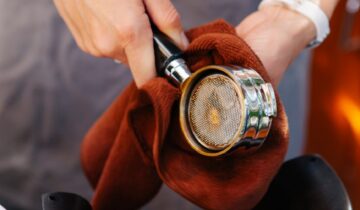
- A damp cloth: Keep a dedicated, damp cloth handy to wipe the steam wand immediately after every use. This prevents milk residue from hardening onto the wand, which is unhygienic and can clog the steam tip.
For preparation, pour your cold milk into your cold pitcher. A good rule of thumb is to fill it to just below where the spout begins. This leaves enough room for the milk to expand by about 30-40% without overflowing. Starting with cold components gives you a longer window to steam the milk, allowing you more time to introduce air and create a silky texture before it gets too hot.
The step-by-step steaming process
Now we get to the main event: steaming the milk. This process can be broken down into two distinct phases: aerating (stretching) and texturing (incorporating). Remember to have your shot of espresso ready before you start steaming, as perfectly steamed milk waits for no one.
Step 1: Purge the wand. Before placing the wand in your milk, turn the steam on for a few seconds and point it into your drip tray or a spare cup. This clears out any trapped condensation, ensuring you’re only injecting hot, dry steam into your milk.
Step 2: Position the wand. Submerge the single-hole tip just below the surface of the milk, positioning it slightly off-center in the pitcher. Holding the pitcher at a slight angle can help encourage a vortex later on.
Step 3: Aerate the milk. Turn the steam dial to the full steam position. Keeping the tip near the surface, you should hear a gentle “tsss-tsss” sound, like paper tearing. This is the sound of air being introduced. This phase is short—only about 5-10 seconds—or until the milk has expanded by about 30%. You are essentially adding the volume you need for the foam.
Step 4: Texture the milk. Once you’ve added enough air, submerge the steam wand deeper into the milk, still keeping it off-center. Now, your goal is to create a whirlpool or vortex. This motion is critical as it folds the air you just introduced into the milk, breaking down large bubbles into a uniform, silky microfoam. The milk should be spinning quietly. If you hear a loud screeching, the wand is too deep; if you hear large bubbling, it’s too high.
Step 5: Monitor the temperature. Continue texturing until the pitcher becomes too hot to comfortably hold for more than a second or two. This is typically around 140-150°F (60-65°C). Overheating the milk will scald it, destroying the sweet flavor and silky texture you worked so hard to create. Turn the steam off before removing the wand from the pitcher.
Step 6: Clean up and groom. Immediately wipe the steam wand with your damp cloth and purge it again for a second to clear any milk from the inside. Now, give your pitcher a firm tap on the counter to pop any remaining large bubbles and swirl the milk gently to give it a glossy, wet-paint-like sheen. You are now ready to pour.
Troubleshooting common problems
Even with the right technique, you’ll run into issues. It’s a normal part of the learning process. Don’t get discouraged! Consulting a troubleshooting guide can help you identify what went wrong and how to fix it for your next attempt. Here are some of the most common problems and their solutions.
| Problem | Likely Cause | Solution |
|---|---|---|
| My milk has large, soapy bubbles. | You aerated for too long or too aggressively (wand was too high). | Reduce the aeration time to just 5-10 seconds. Keep the tip just barely below the surface to create a finer “hissing” sound, not a “glugging” one. Submerge the wand sooner to focus on texturing. |
| My milk is hot but thin, with no foam. | You didn’t aerate enough or the wand was submerged too deeply from the start. | Ensure the steam tip starts just at the surface of the milk. Listen for that distinct “tsss” sound. If you don’t hear it, you are not introducing any air. |
| The foam and milk are separating quickly. | The milk wasn’t incorporated properly. You didn’t create a strong enough vortex. | Focus on your wand placement during the texturing phase. Angle the pitcher and position the wand off-center to force the milk to spin. A good vortex is key to integrating the foam. |
| I hear a loud, screeching noise. | The steam wand is too deep in the milk, hitting the bottom or side of the pitcher. | Raise the steam wand slightly so it’s submerged in the milk but not touching the metal of the pitcher. The process should be relatively quiet after the initial aeration phase. |
Your journey to latte art mastery
Mastering the steam wand on the DeLonghi ECP3420 is a journey of patience and practice, but it is an achievable and incredibly rewarding one. The key takeaways are simple: liberate the true steam wand by removing the panarello sleeve, always start with very cold milk, and embrace the two-phase process of aerating and texturing. Understanding that you need to first introduce air and then focus on spinning the milk into a silky vortex is the foundation of your success. Don’t be discouraged by initial failures; every pitcher of milk, whether perfect or not, is a learning opportunity. With persistence, you will transform your morning coffee routine from a simple caffeine fix into a moment of creative expression, pouring beautiful designs that taste as good as they look.


 No products in the cart.