

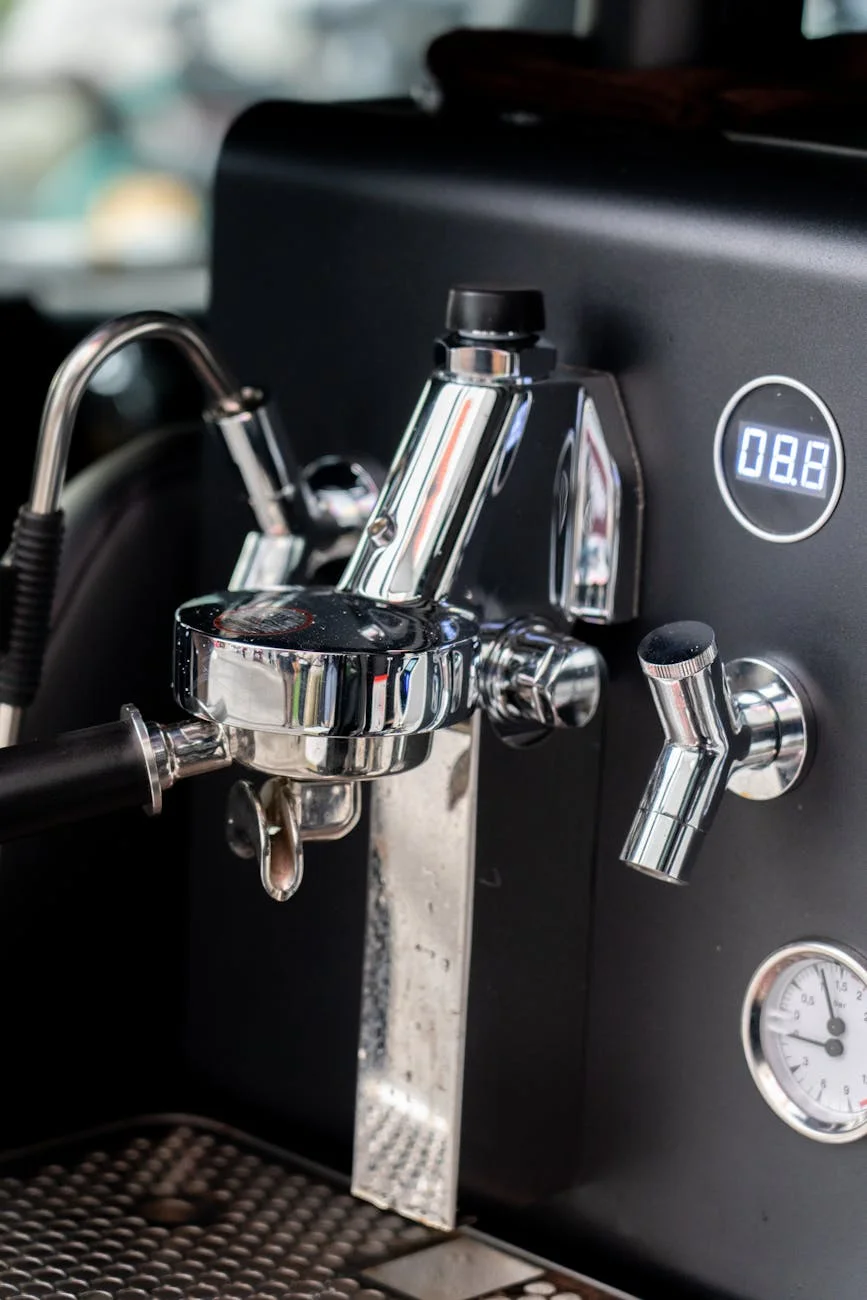
Diving into the world of home espresso can feel like stepping into a new universe of nuanced flavors and techniques. For the aspiring home barista, the first major decision is often the choice of equipment. The path to mastering the perfect shot hinges on understanding espresso extraction, the delicate process of forcing hot water through finely-ground coffee. This journey presents a fork in the road: the fully hands-on manual espresso machine versus the popular and user-friendly semi-automatic. Each offers a distinct learning experience. This article will explore the deep mechanics of both systems to help you decide which is the superior classroom for learning the art and science of espresso extraction, guiding you toward the machine that best suits your learning style.
The fundamental difference in control
Before we can determine which machine is a better teacher, we must first understand how they operate. The primary distinction lies in how pressure is generated and controlled, which is the very heart of espresso extraction. A true manual espresso machine, often called a lever machine, puts every single variable directly into your hands. You are the pump. By pulling a lever, you physically force the water through the coffee puck. This means you control the pre-infusion (the initial, low-pressure wetting of the grounds), the pressure ramp-up, the peak pressure, and the decline. Your muscle and technique directly translate into the final taste in the cup.
In contrast, a semi-automatic espresso machine automates the pressure component. It uses an internal electric pump to deliver a consistent and stable pressure, typically set to the industry standard of 9 bars. Your role as the barista is to handle everything before and after the pump engages. You still control the “on/off” switch for the water flow, deciding when to start and end the shot, but the machine takes care of maintaining that crucial pressure. This fundamental difference sets up two very different learning environments.
The manual machine: a steep but rewarding curriculum
Learning on a manual machine is an exercise in immersion. It’s like learning to sail a boat by immediately taking the helm in open water. The learning curve is undeniably steep and can be frustrating. Your first shots will likely be inconsistent as you learn to apply steady pressure. However, this process provides an unparalleled level of direct, tactile feedback that is invaluable for building a deep, intuitive understanding of extraction.
With a manual lever, you can literally feel what’s happening inside the portafilter:
- Feeling the resistance: If your grind is too fine, the lever will be incredibly difficult to pull. If it’s too coarse, it will offer almost no resistance, and the shot will gush out.
- Detecting channeling: You can often feel a sudden drop in resistance mid-pull, which indicates that water has punched a channel through the coffee puck, leading to an uneven extraction.
- Mastering pressure profiling: You are not locked into 9 bars of pressure. You can experiment with lower pressure profiles for lighter roasts or gentle pre-infusion, teaching you how pressure changes affect flavor, body, and acidity.
This hands-on approach forces you to connect the cause (your grind, your tamp, your pull) with the effect (the resistance you feel and the coffee you taste) in a very raw and immediate way. The knowledge gained is profound, but it requires patience and a willingness to embrace failure as part of the learning process.
The semi-automatic: a structured path to consistency
If the manual machine is open-water sailing, the semi-automatic is like learning to drive in a controlled course. By taking the most volatile variable—pressure—and making it a constant, the semi-automatic machine allows you to isolate and focus on the other critical elements of puck preparation. This creates a more structured and less overwhelming learning environment, which is perfect for methodical learners.
When you know the machine will deliver 9 bars of pressure every single time, you can confidently experiment with other factors one at a time. You can adjust your grind size by one notch and know that any change in taste is due to that specific adjustment, not an accidental variation in your lever technique. This makes the process of “dialing in” a coffee bean far more scientific and repeatable. For a beginner, this consistency is crucial for building a foundational skill set and confidence. You can focus entirely on achieving the perfect grind, dose, and tamp without also worrying about your physical strength or pulling technique.
Comparing the learning journey
Ultimately, the “better” machine depends entirely on the type of learner you are and what you want from your espresso journey. The manual machine forces a holistic understanding from the start, while the semi-automatic encourages a more focused, step-by-step mastery of individual skills. Neither approach is inherently superior, but they cater to very different personalities and goals. The manual path is for the purist who wants to understand the physics of extraction from the inside out. The semi-automatic path is for the pragmatist who wants to build a reliable, repeatable workflow to achieve delicious results more quickly.
| Feature | Manual (Lever) Machine | Semi-Automatic Machine |
|---|---|---|
| Learning Curve | Steep and often frustrating | Moderate and more forgiving |
| Variable Control | Total control over all variables, including pressure and flow | Control over grind, dose, tamp, and shot time; pressure is fixed |
| Feedback Mechanism | Direct tactile feedback through the lever | Feedback primarily through visual cues (flow rate) and taste |
| Consistency | Difficult to achieve initially; depends entirely on user skill | Easier to achieve due to a stable, automated pump |
| Best For Learners Who… | Are patient, enjoy mechanical processes, and want deep, fundamental knowledge. | Want a structured learning process and consistent results sooner. |
Choosing between these two types of machines is a choice about your preferred learning style. The manual machine is a demanding but deeply insightful mentor, while the semi-automatic is a reliable and patient instructor. Your decision should be based on whether you want to master the entire symphony of variables at once or learn to play one instrument perfectly at a time before bringing them all together.
In conclusion, the debate over whether a manual or semi-automatic machine is better for learning extraction has no single right answer. It’s a question of pedagogy. The manual machine offers a trial-by-fire education, forcing a deep, intuitive mastery of how every variable interacts. The feedback is immediate and physical, but the path is challenging. The semi-automatic machine provides a more structured classroom, stabilizing the pressure variable so you can methodically perfect your puck preparation skills. This leads to faster, more repeatable success. The best choice is personal: if you are a tactile learner who revels in mechanical processes, the manual machine is your ultimate teacher. If you prefer a logical, step-by-step approach to build a consistent workflow, the semi-automatic is the superior guide.

 No products in the cart.