

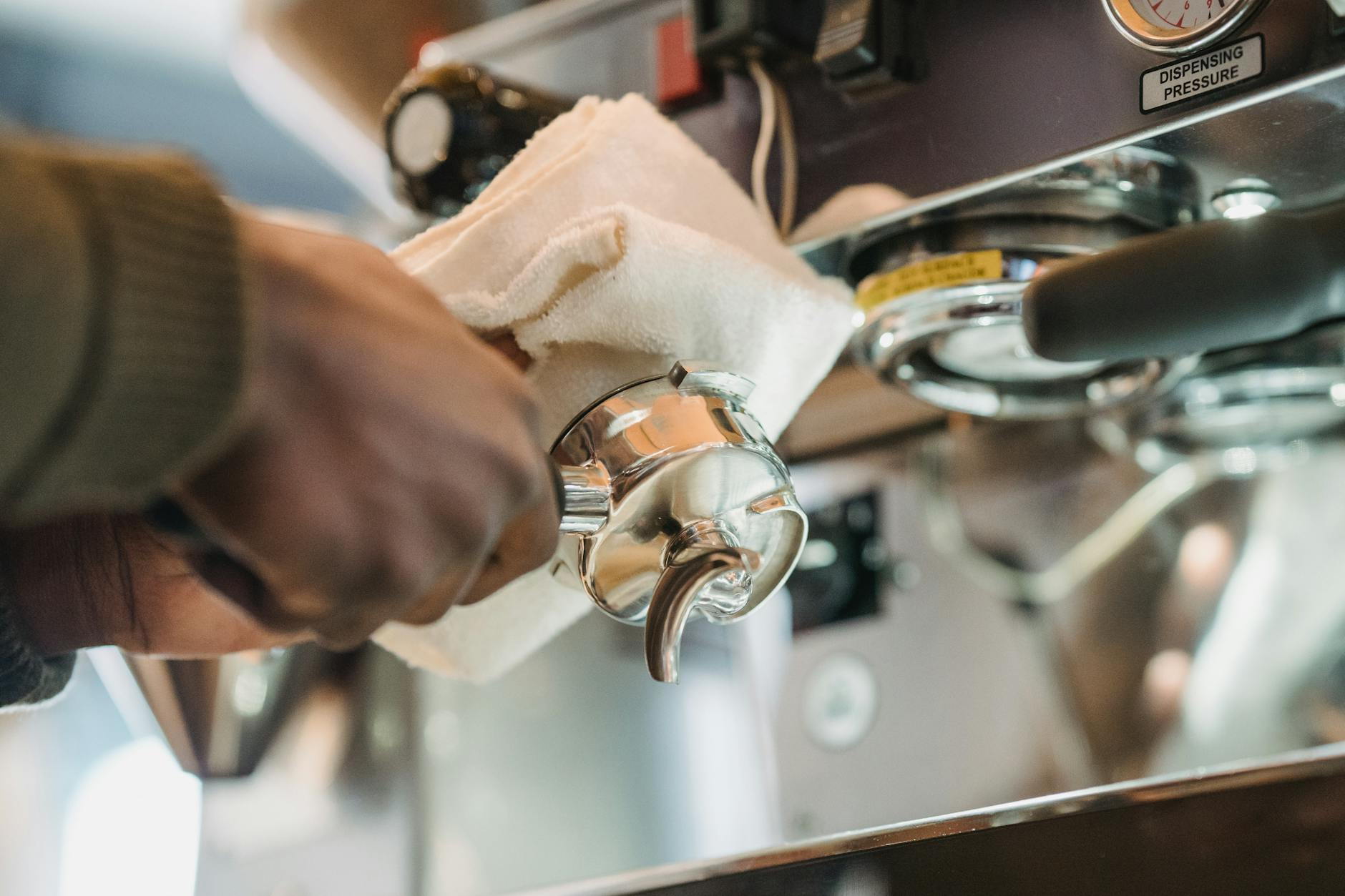
The ritual of brewing espresso is a sensory experience, from the aroma of freshly ground beans to the sight of a rich, syrupy shot. However, the unsung heroes of a smooth coffee-making process are often the most neglected: the dregs drawer and the drip tray. These components, designed to catch spent coffee pucks and excess water, can quickly become a source of mess, bad odors, and even potential damage to your machine if ignored. A clean and well-managed dregs and drip system is not just about tidiness; it is fundamental to maintaining a hygienic brewing environment, ensuring the longevity of your equipment, and creating a seamless, interruption-free workflow. This guide will delve into the best practices for managing these essential parts of your espresso machine.
Why a clean dregs drawer and drip tray matter
It’s easy to dismiss the dregs drawer and drip tray as simple waste receptacles, but their condition has a direct impact on your coffee and your machine. Neglecting them is an invitation for problems. From a hygiene perspective, wet, compacted coffee grounds are a perfect breeding ground for mold and bacteria. Within just a day or two, these microorganisms can begin to flourish, producing unpleasant, musty odors that can subtly taint the aroma and taste of your fresh espresso. A stale, moldy smell emanating from your machine is the last thing you want mingling with the scent of your premium coffee beans.
Beyond hygiene, there are mechanical risks. An overflowing drip tray can cause water to seep into the internal electronics of your machine, leading to short circuits and costly repairs. Even on simpler machines, constant moisture can cause rust on metal components beneath the tray. Similarly, an overflowing dregs drawer can push grounds back up into the brewing mechanism, causing blockages and unnecessary strain on the machine’s moving parts. A clean setup is a preventative measure for maintaining both your health and your investment.
The daily routine: A simple workflow for cleanliness
Integrating the management of your dregs drawer and drip tray into your daily routine is the most effective way to prevent buildup and problems. The key is to make it a non-negotiable part of your end-of-day cleanup. This shouldn’t be an arduous task; in fact, it should take no more than a couple of minutes.
- The Drip Tray: At the end of each day, or more frequently in a busy setting, slide the drip tray out and empty the contents. Give it a thorough rinse with hot water to wash away any coffee oils and residue. For super-automatic machines, this is also a good time to wipe the sensors that detect when the tray is full, as coffee grime can cause false readings.
- The Dregs Drawer (or Knock Box): Coffee grounds should never be left overnight. Empty the used pucks into your compost or trash. Once empty, rinse the container with water to remove any remaining particles. It’s not necessary to use soap every single day, but a good rinse is essential.
The final, crucial step for both components is to let them air dry completely or wipe them down with a dry cloth before reinserting them. Putting them back wet creates a humid environment that counteracts your cleaning efforts and encourages mold growth.
The weekly deep clean: Banishing bacteria and buildup
While a daily rinse is great for maintenance, a weekly deep clean is necessary to sanitize the components and remove stubborn residue. This process dissolves the coffee oils and mineral deposits that a simple water rinse can’t tackle.
First, prepare a cleaning solution. You can use a dedicated coffee equipment cleaner or a simple mixture of warm water and a bit of dish soap. For a more natural option, a solution of one part white vinegar to two parts water works well to descale and deodorize. Disassemble the drip tray if it has multiple parts. Submerge both the dregs drawer and the drip tray components in your chosen solution and let them soak for 15-20 minutes. After soaking, use a soft brush or sponge to scrub all surfaces, paying special attention to corners and crevices where residue loves to hide. Rinse everything thoroughly with clean water to ensure no soap or vinegar taste is left behind. Finally, and most importantly, dry every piece completely before reassembling your machine.
Troubleshooting common issues
Even with a regular cleaning schedule, you might occasionally run into some issues. Knowing how to address them quickly can save you a lot of frustration. A systematic approach is often the best way to diagnose and solve the problem.
Here is a simple table to help identify common problems and their solutions:
| Problem | Potential Cause | Solution |
|---|---|---|
| Persistent musty or sour odor | Residual coffee oils or early-stage mold/bacteria growth. | Perform a deep clean soak using a vinegar solution or a paste of baking soda and water. Ensure components are 100% dry before reassembly. |
| Visible mold spots | Components were not dried properly, or grounds were left for too long. | Scrub thoroughly with a dedicated coffee equipment cleaner or a stronger vinegar solution. Re-evaluate daily drying habits. |
| Drip tray overflows quickly or machine sensor is always on | Blocked drain line (on plumbed machines) or a dirty sensor. | Check and clear any blockages in the drain hose. For sensor issues, clean the small metal contacts on the tray and machine with a damp cloth to remove grime. |
By treating these minor issues with a problem-solving mindset, you can maintain a perfectly functioning and clean machine with minimal effort.
In conclusion, the dregs drawer and drip tray are far more than just waste bins; they are integral to the health and performance of your espresso machine. Overlooking them can lead to unhygienic conditions, foul odors that spoil your coffee, and even expensive mechanical failures. By incorporating a quick daily rinse and a more thorough weekly deep clean into your coffee-making ritual, you create a foundation for success. This simple discipline ensures every shot of espresso you pull is as clean and delicious as possible. Ultimately, managing these components is a small investment of time that pays significant dividends in workflow efficiency, machine longevity, and the overall quality of your coffee experience.
 No products in the cart.