

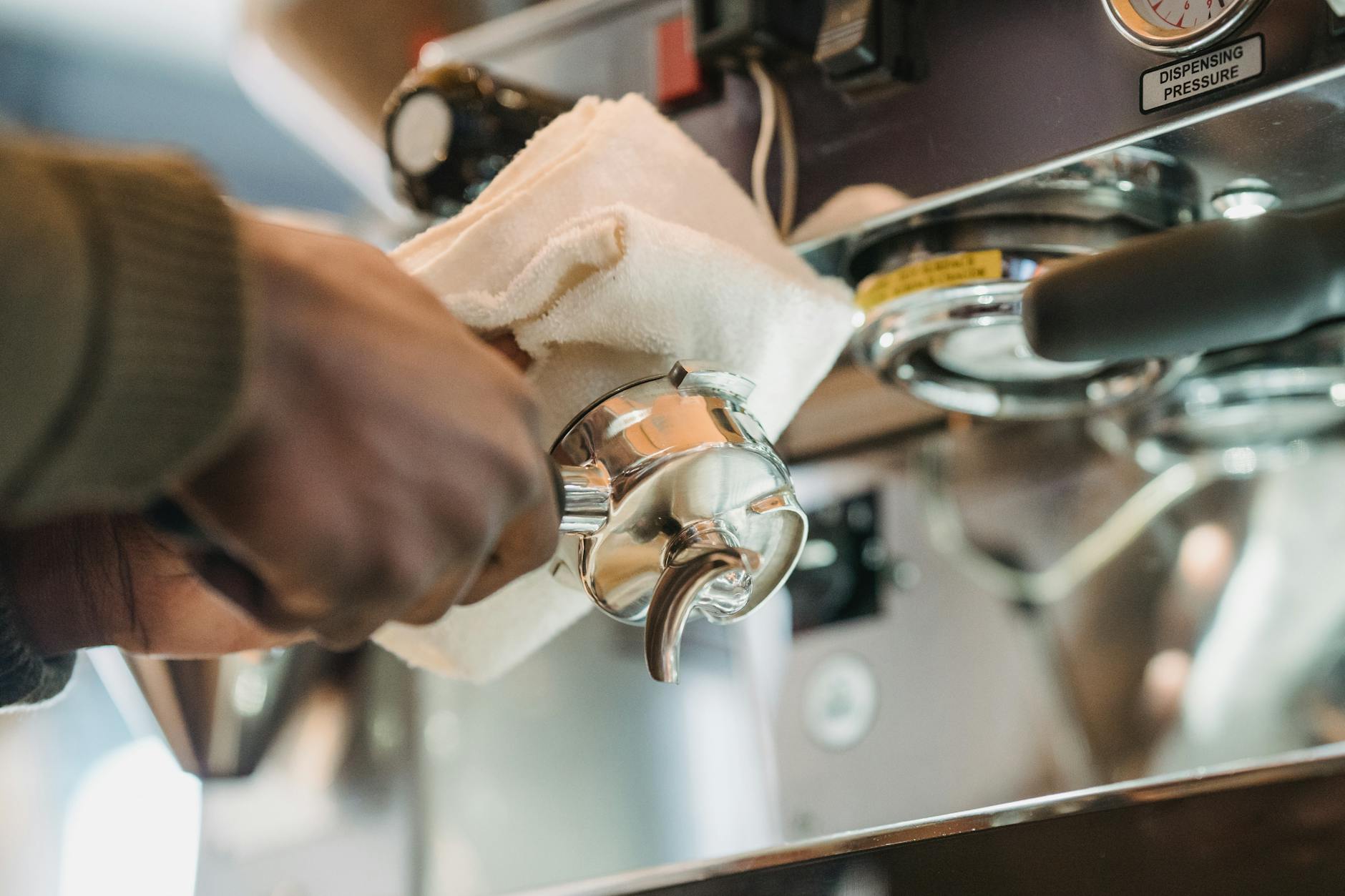
Preventing limescale: Your ultimate guide to heat exchanger espresso machine maintenance
Your heat exchanger (HX) espresso machine is the heart of your morning ritual, a beautiful piece of engineering designed to deliver café-quality coffee in your own kitchen. But lurking beneath the polished chrome is a silent threat: mineral buildup. Commonly known as limescale, these deposits can slowly cripple your machine’s performance, leading to inconsistent shots, reduced steam power, and eventually, costly repairs. Understanding how to manage this buildup is not just about maintenance; it’s about protecting your investment and ensuring every single cup of espresso is as delicious as the first. This guide will walk you through everything you need to know, from the science of scale to the practical steps of prevention and removal, empowering you to keep your machine running flawlessly for years to come.
Understanding the enemy: How mineral buildup affects your HX machine
Before you can fight limescale, you need to understand what it is and how it harms your machine. Most tap water contains dissolved minerals, primarily calcium and magnesium. While harmless to drink, these minerals precipitate out of the water when heated, forming a hard, chalky deposit known as limescale. In a heat exchanger espresso machine, this process is supercharged within the high-temperature environment of the boiler and its internal copper tubing.
This buildup acts as an insulator, creating several critical problems:
- Heating inefficiency: Limescale coating the heating element forces it to work harder and longer to bring the boiler to temperature, consuming more electricity and putting extra strain on the component.
- Temperature instability: The heat exchanger tube, which flash-heats brew water as it passes through the boiler, is particularly vulnerable. A layer of scale prevents it from absorbing and transferring heat efficiently, leading to fluctuating and often lower-than-desired brew water temperatures. This is a direct cause of sour, under-extracted espresso.
- Clogs and blockages: As scale accumulates, it can flake off and travel through the machine’s narrow pathways, clogging solenoid valves, gicleurs, and the group head itself. This results in reduced water flow, weak steam pressure, and in severe cases, a complete blockage that prevents the machine from functioning at all.
Ultimately, unchecked mineral buildup can turn a high-performance machine into an unreliable appliance, ruining your coffee and leading to expensive, time-consuming repairs.
The first line of defense: The importance of water quality
The single most important factor in preventing limescale is controlling the water you put into your machine. Prevention is always better, easier, and cheaper than a cure. Treating the problem at its source means you can avoid frequent and potentially risky descaling procedures. The goal is to use water that has enough mineral content for good tasting espresso but not so much that it causes scale. This involves managing both hardness (calcium, magnesium) and alkalinity.
Here’s a breakdown of common water solutions and their suitability for your espresso machine:
| Water source | Pros | Cons |
|---|---|---|
| Unfiltered tap water | Convenient and free. | Extremely risky. Often too hard and can cause rapid scale buildup. |
| Basic carbon filters (e.g., Brita) | Improves taste and removes chlorine. | Does not soften water or remove the minerals that cause scale. |
| In-tank softening pouch | Easy to use and effective at preventing scale. Relatively inexpensive. | Requires regular replacement. Does not filter other impurities. |
| Bottled water | Consistent and convenient if you find the right brand. | Can be expensive. You must check the water analysis on the label for low Total Dissolved Solids (TDS) and hardness. Avoid “mineral water.” |
| Reverse osmosis (RO) or distilled water | Completely pure, zero scale potential. | Too pure! This water is corrosive to copper and brass and results in flat-tasting espresso. It must be remineralized before use. |
| DIY water recipes | Gives you complete control over mineral content for perfect taste and machine safety. | Requires effort, precision, and purchasing mineral concentrates. Best for dedicated enthusiasts. |
For most users, an in-tank ion-exchange water softening pouch is the most practical and effective solution. It directly addresses the calcium and magnesium ions, swapping them for sodium ions that do not precipitate as scale. This simple step can dramatically extend the time between necessary descaling.
Proactive maintenance: Descaling your heat exchanger machine
Even with the best water, you may eventually need to descale your machine. Descaling is the process of running a mild acidic solution through the boiler and pipes to dissolve accumulated mineral deposits. However, for HX machines, this process should be approached with caution. If a machine has very heavy buildup, descaling can cause large chunks of scale to break off, creating blockages that are worse than the original problem. This is why preventative water treatment is so critical.
If you determine a descale is necessary, always consult your machine’s manual first. Manufacturers provide specific instructions for their models. A general process looks like this:
- Choose a descaler: You can use a solution of citric acid (typically around 2 tablespoons per liter of water) or a commercially formulated espresso machine descaler. Commercial products are often buffered to be gentler on metals.
- Prepare the machine: With the machine cool, drain the boiler completely according to the manufacturer’s instructions.
- Introduce the solution: Fill the boiler with the descaling solution. Some machines require you to fill via the water tank and let the pump run, while others may have a different procedure.
- Heat and circulate: Turn the machine on and let it come to temperature. Run some of the solution through the group head and the hot water wand to ensure it circulates through the entire system.
- Let it soak: Turn the machine off and let the solution sit for the recommended time, typically 20-30 minutes. This allows the acid to dissolve the scale.
- Flush, flush, flush: This is the most important step. Drain the descaling solution completely. Then, refill the boiler with fresh water and flush it thoroughly by running at least 2-3 full boilers’ worth of water through the group head and hot water wand. Any remaining acidic residue can damage components and ruin the taste of your coffee.
Beyond descaling: Routine care and recognizing the signs
Managing mineral buildup isn’t just about using good water and occasionally descaling. It’s also about paying attention to your machine’s daily performance. Integrating simple habits and learning to spot early warning signs can save you from major headaches down the road.
First, it’s vital to differentiate between cleaning and descaling. Regular backflushing with a detergent like Cafiza cleans coffee oils and grounds from the group head, shower screen, and three-way solenoid valve. This is essential for good-tasting coffee and smooth operation but does nothing to remove internal limescale. A clean group head, however, makes it easier to diagnose flow problems that might be caused by scale elsewhere.
Pay close attention to your machine’s behavior to catch scale early:
- Performance signs: Is the machine taking longer to heat up than it used to? Is the steam pressure weaker? Is the water flow from the group head sputtering or less powerful? These are classic early indicators of scale affecting the heating element and restricting water paths.
- Auditory signs: Listen to your machine. A boiler with significant scale on the heating element may make unusual hissing or crackling sounds as it heats up. A pump that sounds strained or unusually quiet could indicate a blockage it’s struggling to push water through.
- Visual signs: Check for chalky white residue around the tip of your steam wand or on the shower screen after it dries. This is a clear sign that the water inside your machine has a high mineral content and is depositing scale.
By monitoring these subtle changes, you can address a potential scale problem before it becomes severe, making any necessary intervention far simpler and safer for your machine.
Conclusion
Owning a heat exchanger espresso machine is a rewarding experience, but it requires a commitment to proper maintenance. As we’ve seen, managing mineral buildup is the most critical aspect of that long-term care. The entire process hinges on a proactive rather than a reactive approach. The journey begins and ends with your water; by using properly softened or formulated water, you eliminate the root cause of limescale and protect your machine’s intricate internal components. When descaling becomes necessary, it should be done thoughtfully and cautiously, following manufacturer guidelines to the letter. By pairing this knowledge with routine cleaning and a keen eye for performance changes, you can ensure your machine operates at peak efficiency. This vigilance will not only prolong the life of your investment but will also guarantee that the quality of your espresso remains consistently exceptional day after day.
 No products in the cart.