

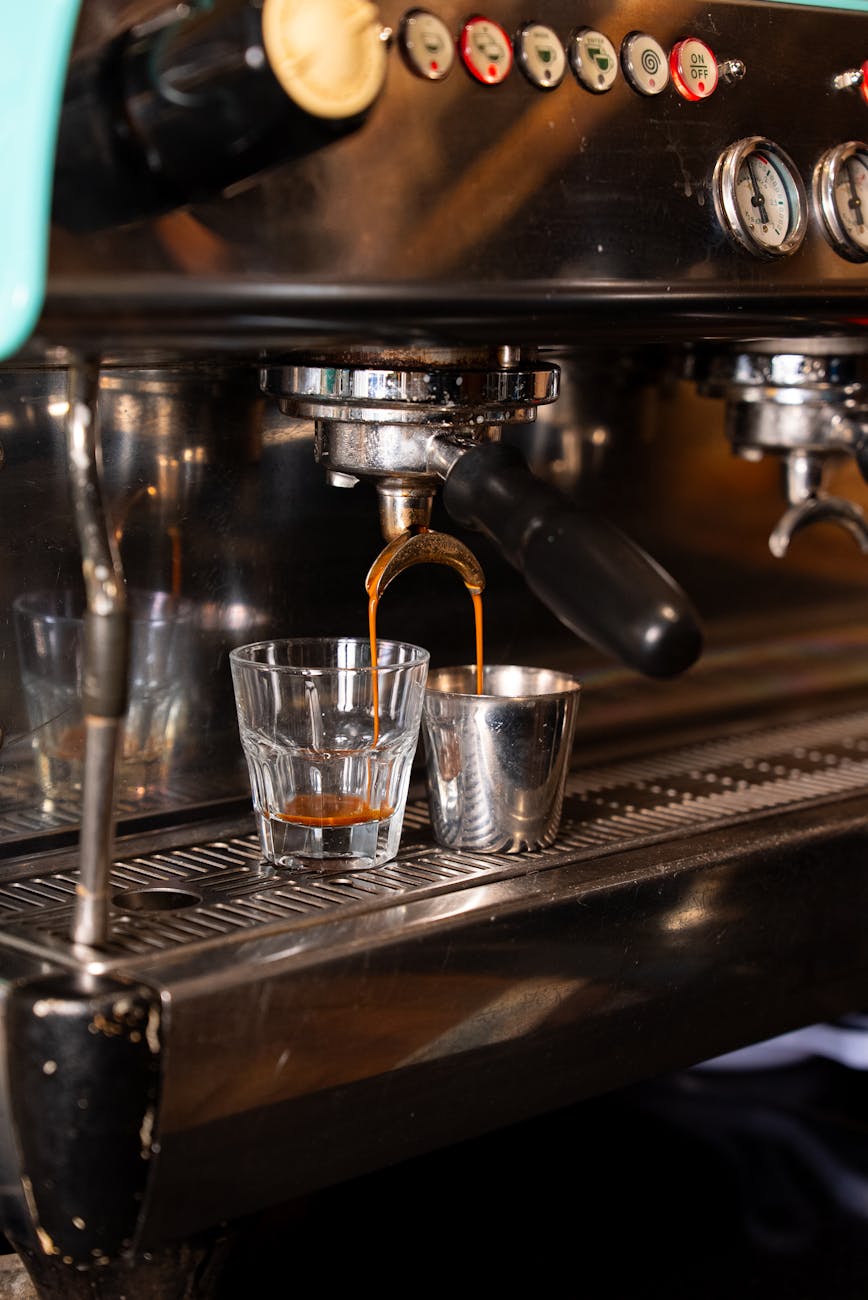
Vintage La Pavoni lever machines are icons of espresso history. Their elegant design and manual operation offer a uniquely tactile and rewarding coffee-making experience. However, anyone who has used one knows they come with a significant challenge: managing heat. The very design that makes them simple and beautiful also makes them prone to overheating, a problem that can quickly turn a potentially perfect shot of espresso into a bitter, channeled mess. This article will serve as your comprehensive guide to understanding and mastering heat dissipation in these classic machines. We’ll explore why they get so hot, introduce practical techniques for temperature control, and discuss essential modifications that can transform your La Pavoni from a fickle beast into a consistent performer.
Why vintage La Pavonis overheat
To effectively manage the heat in a vintage La Pavoni, you first need to understand the root of the problem. It lies in its brilliant, yet thermally flawed, design. Unlike modern semi-automatic machines that use complex systems to isolate the grouphead from the boiler, the La Pavoni features a grouphead bolted directly onto the boiler itself. This creates a direct metal-to-metal thermal bridge. As the boiler heats water to create steam pressure (often reaching 120°C or higher), that heat continuously transfers into the brass grouphead through conduction.
Initially, this is a good thing; it helps bring the group up to a proper brewing temperature. The problem is that there is no mechanism to stop this transfer. The grouphead just keeps getting hotter and hotter as long as the machine is on. After pulling just one or two shots, the group can easily exceed 100°C, which is far too hot for brewing espresso. This superheated water flashes to steam as it hits the coffee puck, scorching the grounds and leading to the dreaded bitterness and astringency that plagues many new La Pavoni users. Taming this heat is the key to unlocking the machine’s true potential.
Practical techniques for temperature management
Before resorting to permanent modifications, there are several hands-on techniques you can employ to control your machine’s temperature. These methods require attention and practice but are highly effective. The goal is to develop a workflow that allows you to pull shots within the ideal temperature range and quickly cool the grouphead for subsequent shots.
A popular and effective method is using a cold, wet towel or cloth. After your first shot, when the grouphead is inevitably too hot, simply drape the damp cloth over the group. You will hear it sizzle as it rapidly draws heat away through evaporation. This can lower the temperature by several degrees in just 20-30 seconds, bringing it back into the optimal range for another shot. For even faster cooling, some users point a small fan at the wet cloth.
Other techniques include:
- The “Dragon’s Breath” cooling flush: After a shot, you can lock in an empty portafilter and slightly lift the lever. This will release a burst of steam and superheated water, helping to purge some of the excess heat from the group. Be careful, as this can be messy.
- Portafilter as a heat sink: Running the portafilter under cold water and locking it back into the hot grouphead will also help draw away some heat. A bottomless (or naked) portafilter is particularly effective for this, as it has more surface area in direct contact with the group.
- Power cycling: Don’t be afraid to turn the machine off. If you know you won’t be pulling another shot for more than five minutes, simply switch it off. This stops the boiler from continuously feeding heat into the group.
Mastering these techniques turns the brewing process into a dynamic dance, where you are actively controlling the machine’s thermal state rather than being a victim of it.
Essential modifications for thermal stability
While hands-on techniques are crucial, a few key modifications can provide you with the data and passive assistance needed for ultimate control and consistency. These mods turn guesswork into a precise science.
The single most important modification for any La Pavoni owner is a grouphead thermometer. This simple device, which usually replaces an existing screw on the grouphead, gives you a real-time digital readout of the brewing surface temperature. Without it, you are essentially flying blind, relying on feel and intuition. With a thermometer, you can know with certainty when your group is at the perfect temperature to start your shot (e.g., 92°C) and when it has cooled enough to pull another.
Another highly recommended addition is a boiler pressure gauge or a pressure profiling system (PPS). The pressure inside the boiler directly corresponds to the water temperature. By monitoring the pressure (typically aiming for 0.7-0.9 bar), you can manage the machine’s heating element cycle to maintain a more stable starting point. Some advanced users even install a PID controller to automate this process, but a simple gauge provides most of the necessary information.
Finally, consider installing a grouphead heat sink. These are aftermarket finned rings made of aluminum or brass that clamp onto the grouphead. They dramatically increase the surface area of the group, allowing it to dissipate heat into the air much more effectively. A heat sink won’t stop the group from overheating entirely, but it will significantly slow down the temperature climb and speed up the cooling process, making it much easier to pull multiple shots back-to-back.
Building a consistent workflow
Combining the knowledge of the machine’s design with practical techniques and smart modifications allows you to build a repeatable, consistent workflow. The goal is to hit a specific brew temperature tailored to your coffee beans. Darker roasts benefit from lower temperatures, while lighter roasts can handle slightly higher ones.
Here is a sample workflow for a medium roast coffee:
- Turn the machine on and let it come up to pressure, aiming for around 0.8 bar.
- Once at pressure, perform one or two “half-pulls” without the portafilter to bleed false pressure and circulate hot water, warming the group.
- Monitor your grouphead thermometer. Wait for the temperature to climb to your target, for example, 93°C.
- As it approaches the target, grind your beans and prepare your puck.
- Lock in the portafilter and pull your shot immediately upon hitting the target temperature.
- If you plan to pull a second shot, remove the portafilter and immediately apply a cold, wet cloth to the grouphead.
- Watch the thermometer. Once the temperature drops back down to 93°C, you are ready to prepare and pull your next shot.
This disciplined approach removes the variability that frustrates so many users. A thermometer gives you a clear target, and a simple cooling method gives you a reliable way to get there. The table below offers some general starting points for different roast levels.
| Roast Level | Target Grouphead Temperature Range | Tasting Notes at this Temperature |
|---|---|---|
| Light Roast | 94°C – 96°C | Accentuates bright, acidic, and floral notes. |
| Medium Roast | 91°C – 93°C | Balances sweetness, acidity, and body. Good for chocolatey and nutty notes. |
| Dark Roast | 88°C – 90°C | Minimizes bitterness and brings out deep, roasty, and syrupy flavors. |
Note: These are starting points. Always adjust based on the specific coffee bean and your personal taste.
In conclusion, the tendency of vintage La Pavoni machines to overheat is not a fatal flaw but rather an inherent characteristic that must be managed. The direct-mount grouphead design is the cause, leading to a constant and unchecked transfer of heat from the boiler. However, this challenge is entirely surmountable. By embracing a hands-on approach with techniques like using a wet towel for cooling, and by investing in crucial modifications such as a grouphead thermometer and a heat sink, you can gain complete control over the brewing process. This transforms the experience from one of frustrating guesswork into a precise and rewarding ritual, allowing you to consistently pull exceptional espresso shots that rival those from far more complex and expensive machines.


 No products in the cart.