


Super-automatic espresso machines are miracles of modern convenience, delivering a bean-to-cup experience at the touch of a button. However, this convenience often comes with a compromise: a shot of espresso that lacks the rich, viscous body and satisfying mouthfeel of one prepared on a traditional semi-automatic machine. Many owners find themselves with espresso that is thin, watery, and a far cry from the syrupy ideal they crave. The good news is that you are not stuck with disappointing coffee. By understanding the key variables at play, from the beans you choose to the settings on your machine, you can dramatically improve the texture and richness of your daily espresso, transforming it from a mere caffeine delivery system into a genuinely enjoyable beverage.
The foundation: Choosing the right coffee beans
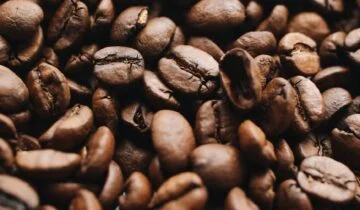
Before you touch a single button on your machine, the journey to a better espresso begins in the coffee bag. The beans you choose are the single most important factor in determining the final body and mouthfeel of your shot. Convenience can’t compensate for stale, poor-quality coffee.
First and foremost, prioritize freshness. Coffee beans contain oils and trapped carbon dioxide (CO2) from the roasting process. These are the building blocks of crema and contribute significantly to the coffee’s viscosity. As beans age, they lose these volatile compounds, resulting in a flatter, thinner-tasting shot. Ideally, you should use beans that are between 7 and 21 days past their roast date. Avoid bags with a distant “best by” date and look for a specific “roasted on” date instead.
The roast level also plays a crucial role. While personal preference is key, medium to medium-dark roasts generally produce more body in a super-automatic machine. The roasting process makes the coffee more soluble and develops the oils that contribute to a thicker mouthfeel. Lighter roasts can be beautifully complex, but their delicate acidity often translates to a thin, sour shot if the extraction isn’t perfect—a common challenge for super-automatics. However, be cautious with extremely dark, oily beans. While they look like they’d produce a thick shot, their greasy surface can clog the internal grinder and brew unit, leading to performance issues.
Dialing in your machine’s settings
Once you have the right beans, your machine’s settings are your primary tools for controlling the extraction. Most super-automatics offer a surprising amount of control, and mastering these settings is the key to unlocking a richer shot. It’s best to adjust only one setting at a time to accurately gauge its effect.
- Grind size: This is your most powerful adjustment. A finer grind increases the surface area of the coffee, which slows down the flow of water and allows it to extract more solids and oils. This directly translates to more body. If your espresso is watery and flows out too quickly, adjust the grinder to a finer setting. If the machine sounds like it’s struggling or “choking,” you’ve gone too fine. Make small, incremental changes, as even one step can have a big impact.
- Dose or strength: Often labeled with bean icons, this setting controls how much coffee is ground for each shot. Using a higher dose (more beans) provides more material for the water to extract from, resulting in a more concentrated and full-bodied beverage. Try increasing this to the maximum setting to see how it improves the texture.
- Shot volume: This is a frequently overlooked but critical setting. The default espresso volume on many super-automatics is far too large, essentially creating a lungo rather than a true espresso. A higher water-to-coffee ratio dilutes the shot, destroying its body. Aim for a more traditional espresso ratio. You can do this by manually stopping the shot early or, even better, reprogramming the button for a smaller, more concentrated yield (e.g., 30-45 ml or 1-1.5 oz).
Here is a simple table to guide your adjustments:
| Problem | Primary Adjustment | Secondary Adjustment | Desired Outcome |
|---|---|---|---|
| Espresso is watery and thin | Make grind size finer | Increase the dose/strength setting | Slower extraction, more concentrated flavor |
| Espresso tastes sour | Make grind size finer | Reduce the shot volume | Increase extraction of sugars and oils |
| Espresso tastes bitter | Make grind size coarser | Slightly decrease dose/strength | Reduce over-extraction of bitter compounds |
| Machine chokes/drips slowly | Make grind size coarser | N/A | Allow proper water flow through the coffee puck |
The overlooked impact of water and maintenance
You can have the best beans and perfect settings, but if your machine is dirty or your water is unsuitable, your espresso quality will suffer. These two elements are the silent partners in the brewing process.
The water you use makes up over 98% of your final drink. Using distilled or heavily softened water is a mistake, as it lacks the minerals necessary to properly extract flavor and body from the coffee grounds. Conversely, extremely hard water can mute flavor and will rapidly build up limescale inside your machine, causing damage and poor performance. The ideal solution is to use filtered water. A simple activated carbon filter pitcher (like a Brita) can improve taste, but a filter designed to specifically balance mineral content for coffee (like those from BWT) will yield the best results and protect your machine.
Equally important is a rigorous cleaning routine. Oily coffee residue builds up everywhere, from the grinder burrs to the brew unit. This residue quickly turns rancid, imparting stale and bitter flavors. More importantly, it can clog the screen of your brew unit, leading to uneven water flow and poor extraction, which directly impacts body. Follow your machine’s manual for regular maintenance. This typically includes:
- Rinsing the brew unit with water daily or every other day.
- Using a coffee oil degreasing tablet (e.g., Cafiza) weekly or bi-weekly to deep clean the brew unit.
- Running a descaling cycle whenever the machine prompts you.
A clean machine is a prerequisite for a great-tasting, full-bodied espresso.
Managing expectations for maximum satisfaction
Finally, it’s important to approach your super-automatic machine with realistic expectations. These machines are engineered for convenience and consistency, not for creating the absolute god-shot of espresso. The internal mechanics of a brew unit are different from the 58mm portafilter and high-pressure group head of a semi-automatic machine. The dose of coffee is typically smaller, and the tamping pressure is automated and less forceful.
Because of these design differences, a super-automatic will likely never produce the same syrupy, ultra-viscous texture as a perfectly dialed-in commercial-style setup. However, that does not mean you cannot produce a fantastic, satisfying, and full-bodied shot of espresso. The goal is to maximize the potential of your machine. By applying the principles of using fresh, appropriate beans, carefully dialing in your settings (especially grind size and volume), and maintaining a clean machine, you can bridge a significant portion of the quality gap. Focus on achieving a balanced, rich shot that you enjoy, rather than chasing an impossible ideal. Experimentation is key; small adjustments can lead to big improvements in your daily coffee ritual.
In conclusion, elevating the espresso from your super-automatic machine is a very achievable goal. It’s a holistic process that begins with the fundamental choice of fresh, medium-to-dark roast coffee beans that provide the necessary oils and solids for a rich extraction. From there, you must take active control of your machine, moving beyond the factory presets. Methodically adjusting the grind to be finer, increasing the coffee dose, and, most importantly, reducing the shot volume are the key levers to pull for a more concentrated and viscous result. This effort is underpinned by the often-neglected essentials of using properly filtered water and adhering to a strict cleaning regimen. While a super-automatic has its inherent limits, applying these strategies will transform your coffee from a thin, convenient drink into a genuinely satisfying espresso with a full, pleasing mouthfeel.

 No products in the cart.