

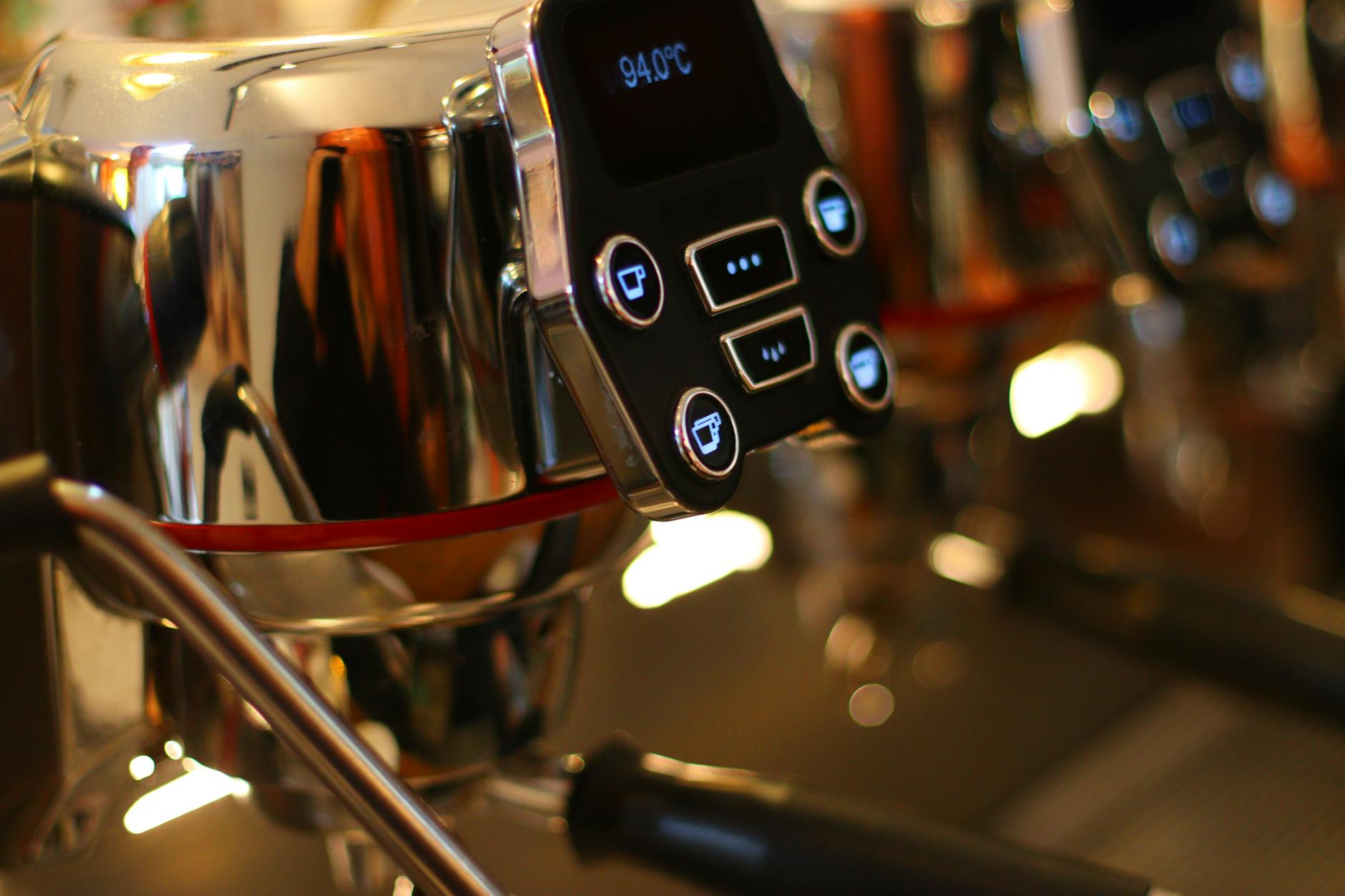
In the passionate pursuit of the perfect espresso shot, baristas often focus on the big variables: the grind size, the dose, the tamping pressure, and the quality of the beans. However, one of the most critical and often overlooked factors is temperature stability. The temperature of the water as it hits the coffee grounds has a profound impact on which flavor compounds are extracted. A shot that is too cool will taste sour and underdeveloped, while one that is too hot can be bitter and astringent. While high-end espresso machines boast sophisticated PID controllers and saturated group heads to maintain temperature, even the most advanced setup can be undermined by a simple mistake: using cold tools. This article will delve into why preheating your portafilter and accessories is not just a fussy detail, but a fundamental technique for achieving consistent, delicious espresso.
The science of heat loss in espresso
At its core, an espresso machine’s job is to force hot water through a tightly packed puck of coffee grounds. The ideal water temperature for this process typically falls within a narrow range of 90–96°C (195–205°F). The problem arises when this precisely heated water comes into contact with a cold object. Your portafilter, typically made of brass or stainless steel, is a heavy chunk of metal with significant thermal mass. This means it can absorb a large amount of heat energy.
When you lock a room-temperature portafilter into your group head and start your shot, the metal acts as a massive heat sink. It immediately begins to rob the brew water of its thermal energy, causing a dramatic temperature drop just before it reaches the coffee. This initial plunge in temperature can easily be several degrees, pushing your extraction out of the ideal zone. The result is an under-extracted shot, characterized by a sharp, sour taste and a thin body, as the water wasn’t hot enough to properly dissolve the desirable sugars and oils from the coffee grounds.
Effective preheating methods
Fortunately, combating this heat loss is simple and requires no expensive equipment. The goal is to bring your portafilter up to the same temperature as the group head, creating a stable thermal environment for your extraction. There are a few effective ways to do this:
- Lock it in: This is the easiest and most common method. As soon as you turn your espresso machine on to warm up, lock your empty portafilter into the group head. As the machine comes to temperature over 15-30 minutes, the direct contact will transfer heat, warming the portafilter thoroughly.
- Flush with hot water: For a quicker heat-up or as an extra step to ensure maximum stability, you can run a “blank shot” of hot water through the locked-in portafilter just before you dose your coffee. This flushes the system and gives the metal a final blast of heat. Simply run the pump for 5-10 seconds.
- Combine for best results: The gold standard is to keep the portafilter locked into the group head as the machine heats up, and then perform a brief hot water flush right before you wipe the basket dry and add your ground coffee. This two-step approach ensures your entire brewing assembly is at a stable, optimal temperature.
By making preheating a non-negotiable part of your workflow, you eliminate a major variable and take a huge step toward shot-to-shot consistency.
Beyond the portafilter: warming your cup and tools
The principle of thermal stability doesn’t end with the portafilter. Every cold surface your freshly brewed espresso touches will steal its heat, negatively impacting its flavor and aroma. The most significant culprit here is your cup.
Pouring a 36-gram shot of hot espresso into a cold, thick ceramic demitasse can cause an immediate temperature drop of 10°C or more. This shock can flatten the delicate crema and mute the complex flavors you worked so hard to extract. The solution is simple: preheat your cup. You can do this by:
- Letting it rest on the cup warming tray on top of your machine.
- Filling it with hot water from your machine’s hot water spout or from the group head while you prepare your puck.
Simply dump the water out right before you start your extraction. This small step preserves the temperature of the espresso, allowing you to experience its full aromatic and flavor profile as intended. While less critical, rinsing other metal tools like a puck screen under hot water before use can also contribute to a more stable extraction environment.
Quantifying the impact on extraction
The difference between using a cold and a preheated portafilter isn’t just theoretical; it’s measurable and has a direct impact on the final taste. A cold portafilter can cause the water temperature to drop significantly at the most crucial point: the surface of the coffee puck. This initial contact sets the stage for the entire extraction.
Let’s look at a hypothetical but realistic comparison of the brew water temperature during extraction:
| Stage of Extraction | Temperature with Cold Portafilter | Temperature with Preheated Portafilter |
|---|---|---|
| Water leaving group head | 94°C (201°F) | 94°C (201°F) |
| Water entering coffee puck | 88°C (190°F) | 93°C (199°F) |
| Average slurry temperature | ~89°C (192°F) | ~92.5°C (198.5°F) |
| Resulting flavor profile | Sour, acidic, thin body | Balanced, sweet, full body |
As the table illustrates, the preheated portafilter maintains a much more stable and appropriate brewing temperature. This seemingly small difference of a few degrees is precisely what separates a disappointing, sour shot from a rich, sweet, and balanced one. By controlling this variable, you give your coffee the best possible chance to shine.
In conclusion, mastering temperature stability is a fundamental pillar of high-quality espresso. We’ve seen how a cold portafilter acts as a heat sink, drastically lowering the brew water temperature and leading to the tell-tale signs of under-extraction, such as excessive sourness. By incorporating the simple, zero-cost habit of preheating your portafilter—either by locking it into the group head during warm-up or flushing it with hot water—you create a thermally stable environment for brewing. Extending this practice to your cups and other accessories further protects the integrity of the final beverage. This attention to detail is not just for professional baristas; it is one of the most impactful changes any home enthusiast can make to achieve consistently delicious and repeatable results, truly unlocking the flavor potential held within their coffee beans.

 No products in the cart.