

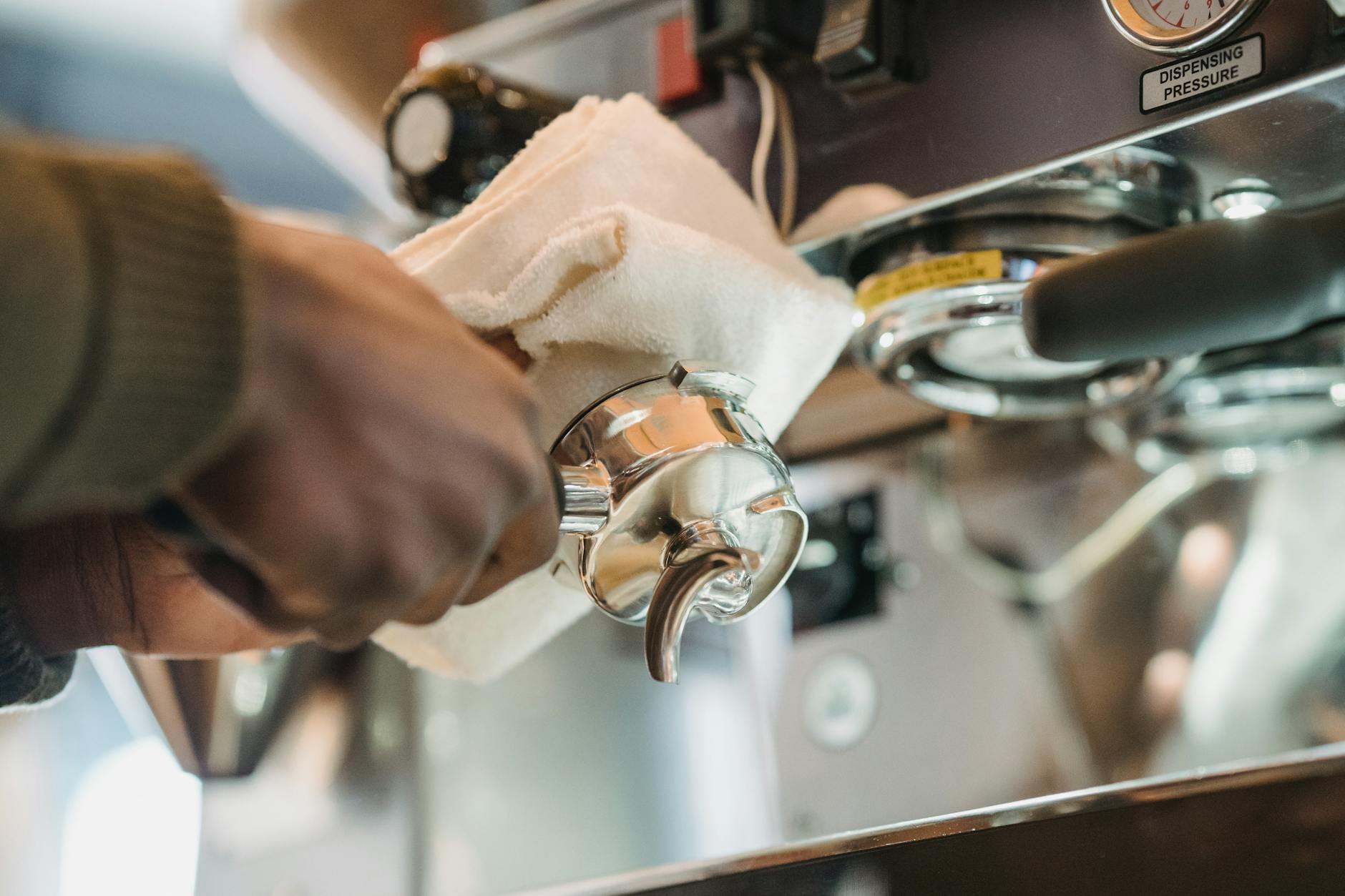
A Gaggia espresso machine, particularly the beloved Gaggia Classic Pro, is the cornerstone of many home coffee setups. It’s a robust workhorse capable of producing café-quality espresso. However, a common frustration can bring your morning ritual to a screeching halt: low water flow. Suddenly, your rich, syrupy shot is replaced by a weak, sputtering trickle, or worse, nothing at all. This issue, often referred to as the machine “choking,” can be disheartening, but it’s rarely a fatal flaw. In most cases, it’s a solvable problem caused by a blockage or a maintenance oversight. This guide will walk you through the process of diagnosing the symptoms, identifying the root cause, and performing the necessary fixes to restore your Gaggia’s powerful flow.
Understanding the signs of a flow problem
Before you can fix the issue, you need to be sure you’re diagnosing it correctly. A “low flow” problem isn’t always about the speed of your espresso shot. An expertly dialed-in shot should take 25-30 seconds. The real issue is when the machine itself cannot push water through the system effectively. The first and most crucial diagnostic step is to run the machine without the portafilter locked in. Press the brew button and observe the water coming from the shower screen. A healthy Gaggia should produce a steady, generous stream of water that looks like a small shower.
If you see the following symptoms, you likely have a machine-related flow issue:
- A weak or dripping flow from the group head with no portafilter attached.
- The pump sounds strained, muffled, or excessively loud, different from its usual rhythmic hum.
- Water is sputtering or weak when dispensed through the steam wand (with the brew switch on and steam knob open).
- The machine produces almost no water and then releases a large gush into the drip tray after you turn it off.
If the water flows perfectly fine without the portafilter, your problem isn’t with the machine’s flow. Instead, it’s a “puck prep” issue. This means your coffee grind is too fine, you’re dosing too much coffee into the basket, or you’re tamping with excessive force. Adjusting these variables should solve your problem.
Starting with simple fixes: Cleaning and descaling
The vast majority of flow issues in Gaggia machines stem from one of two culprits: coffee oils and grounds, or mineral scale buildup. Both create blockages in the narrow pathways water must travel. Fortunately, addressing these is part of routine maintenance and often solves the problem without any need for disassembly.
1. Deep clean the group head components: Coffee grounds and oils can clog the small holes in your filter basket and shower screen.
- The basket: Hold your portafilter basket up to a light. If you can’t see clearly through most of the holes, it’s clogged. Soak it in a solution of Cafiza or another espresso machine cleaner, then use a stiff brush to scrub it inside and out.
- The shower screen and holding plate: Use a screwdriver to remove the central screw holding the shower screen in place. The screen and the heavier metal plate behind it will come off. Scrub both parts thoroughly with a brush and cleaning solution to remove all visible coffee residue.
2. Descale the machine: If you use hard water and don’t descale regularly, limescale is almost certainly the cause of your low flow. This mineral buildup coats the inside of the boiler, pipes, and valves, constricting water flow like plaque in an artery. Run a full descaling cycle using a quality descaler designed for espresso machines (like the official Gaggia descaler). Follow the product instructions carefully, ensuring you flush the solution through both the group head and the steam wand to clear blockages throughout the system.
Troubleshooting the three-way solenoid valve
If regular cleaning and descaling don’t restore the flow, the next component to investigate is the three-way solenoid valve. This crucial part is present on the Gaggia Classic and Classic Pro models. Its job is to direct pressurized water to the group head during brewing and then, once you flip the switch off, release that pressure from the portafilter into the drip tray (this is what creates the “dry” pucks Gaggias are known for). Because all the brew water passes through it, it’s a common point for scale and debris to collect and form a stubborn clog.
A classic symptom of a partially clogged solenoid is a weak flow from the group head, but a strong gush of water out of the internal release tube and into the drip tray after you finish your shot. To fix this, you will need to disassemble and manually clean it. While it sounds intimidating, it’s a manageable task. After unplugging the machine and letting it cool completely, remove the top cover. The solenoid is a brass component with wires connected to it, located near the boiler. Carefully disconnect the wires, unscrew the valve from the boiler, and disassemble it, taking care not to lose the tiny internal spring and plunger. Soak the metal components in descaler, use a small brush or needle to clear any visible blockages, and reassemble.
Advanced diagnostics and pump issues
If you’ve cleaned everything and descaled the machine thoroughly, but the flow remains weak everywhere (group head and steam wand), you may be facing a failing pump. The vibratory pump is the heart of the machine, and while they are generally reliable, they can wear out over time. A failing pump often sounds different—it might be unusually quiet, struggle to prime, or make an inconsistent, weak buzzing noise instead of its confident, steady hum. Replacing a pump is a more involved repair, but it is possible for the home user and parts are readily available.
To help summarize the troubleshooting process, here is a quick reference table:
| Symptom | Likely Cause | Solution |
|---|---|---|
| Good flow without portafilter, but chokes with coffee. | Puck Preparation (Grind too fine, over-dosing, tamping too hard). | Grind coarser, use less coffee, or tamp with less pressure. |
| Weak flow from group head, even with no portafilter. | Scale buildup or coffee oil blockage. | Clean shower screen/basket. Run a full descaling cycle. |
| Weak flow from group, but strong pressure release into drip tray after. | Clogged three-way solenoid valve. | Disassemble and manually clean the solenoid valve. |
| Weak flow from both group head and steam wand; pump sounds weak. | Failing pump or a major scale blockage before the pump splits. | Check for intake tube blockages first. If clear, consider pump replacement. |
Tackling a low flow issue on your Gaggia can seem daunting, but it’s an excellent way to get to know your machine better. By working through these steps logically, from the simplest cleaning tasks to more specific component maintenance, you can solve the problem a vast majority of the time. Remember that prevention is always the best cure. Using filtered water and performing regular cleaning and descaling cycles will keep those internal pathways clear and your espresso flowing beautifully. Don’t let a simple clog stand between you and a perfect shot. With a little patience and troubleshooting, you can restore your Gaggia to its full brewing potential and get back to enjoying your coffee.
 No products in the cart.