

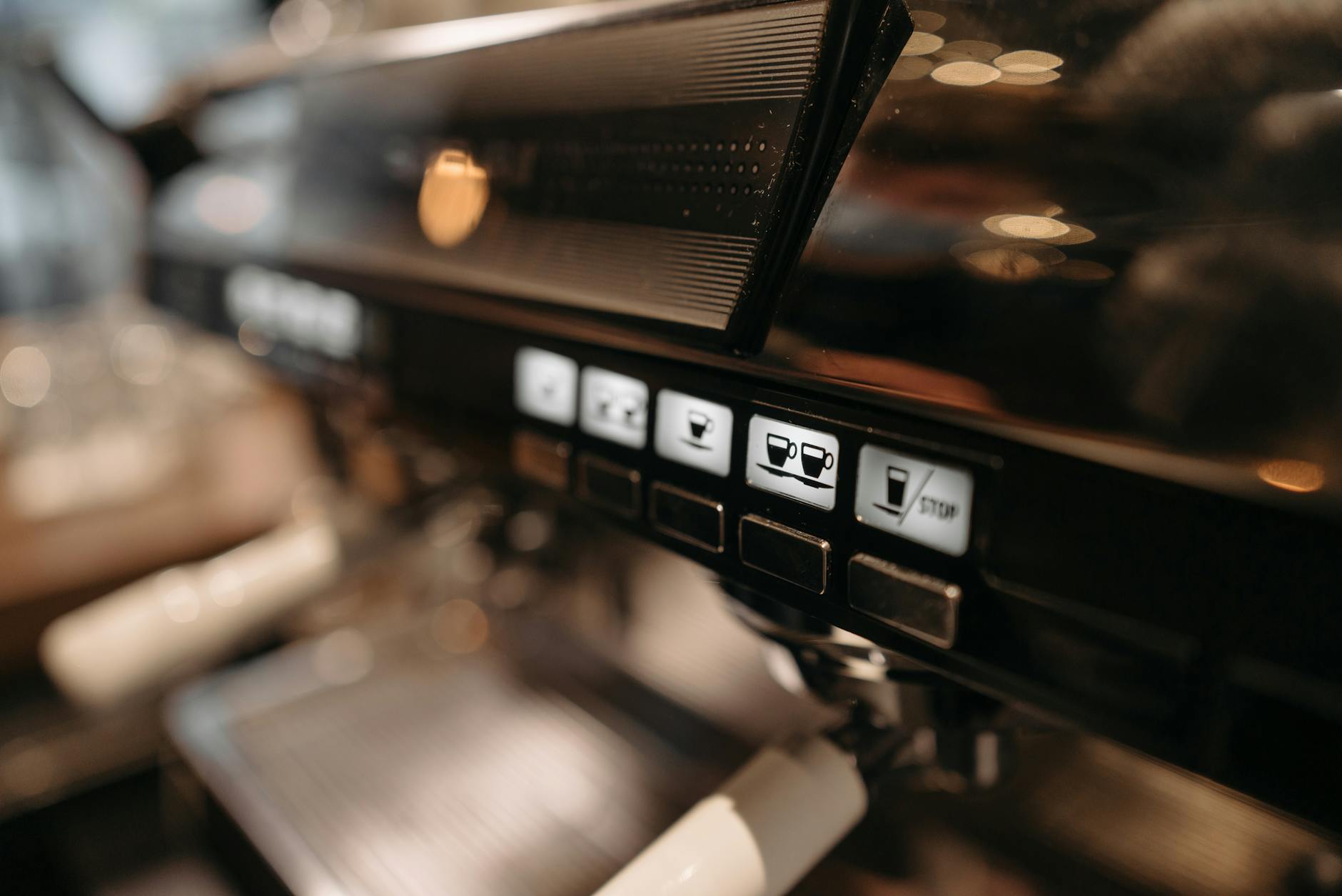
The Gaggia Classic is a legendary entry-point into the world of home espresso, but its standard thermostat can be a source of frustration, especially when tackling the nuanced flavors of a light roast coffee. These delicate beans demand a level of precision that the stock machine struggles to provide, often resulting in sour, underwhelming shots. This is where a PID (Proportional-Integral-Derivative) controller transforms the Gaggia Classic into a powerhouse. By providing rock-solid temperature stability, a PID unlocks the potential to consistently pull sweet, vibrant, and complex espresso from light roasts. This article will guide you through the theory and practical steps to find the ideal PID temperature settings for your Gaggia Classic, turning frustration into delicious success.
Why light roasts need higher temperatures
Unlike their darker counterparts, light roast coffee beans are significantly denser and less porous. The roasting process is stopped much earlier, preserving more of the bean’s original character and complex acidity, but leaving its cellular structure more intact. To properly extract the desirable sugars and flavor compounds from these dense beans, you need more energy. This energy comes in the form of heat. Higher brewing temperatures accelerate the chemical reactions of extraction, allowing the water to more effectively penetrate the coffee grounds and dissolve the soluble solids. Attempting to brew a light roast at the same lower temperatures suitable for a dark roast will result in under-extraction, which tastes distinctly sour, grassy, and underdeveloped because you’ve only managed to pull out the fast-extracting acids without balancing them with sweetness.
Understanding your Gaggia Classic with a PID
The single biggest upgrade for a Gaggia Classic is a PID controller. The stock machine operates with a simple bimetallic thermostat that creates a huge temperature swing, sometimes as much as 10-15°C. This means the temperature of your water can be a lottery from one shot to the next. A PID replaces this system with a digital brain and a precise sensor, constantly monitoring the boiler temperature and making tiny adjustments to the heating element. The result is incredible stability, often holding the temperature within a fraction of a degree.
It is crucial, however, to understand the concept of temperature offset. The PID measures the temperature of the water inside the boiler. As this water travels from the boiler to the grouphead and finally hits your coffee puck, it loses heat. This means the actual brew temperature at the puck will always be lower than the temperature displayed on your PID. For a Gaggia Classic, this offset is typically between 8-12°C (15-22°F), depending on your specific setup and ambient conditions.
Finding your starting point for light roasts
With the knowledge that light roasts need more heat and that there’s a temperature offset, we can establish an intelligent starting point. To achieve a brew temperature at the grouphead in the ideal range for light roasts, which is generally 94-96°C (201-205°F), you will need to set your PID much higher. A fantastic universal starting point for light roasts on a PID-controlled Gaggia Classic is a boiler setting of 104°C (219°F).
This setting aims to compensate for the temperature drop and deliver water around 94°C to your coffee. From here, you can adjust based on the specific bean you are using. Some exceptionally light, dense beans from regions like Kenya or Ethiopia may require you to push the PID setting even higher, perhaps up to 108°C (226°F), to unlock their full potential. Below is a simple table to guide your initial experiments.
| PID set temperature | Estimated brew temperature | Typical taste profile |
|---|---|---|
| 102°C (216°F) | ~92°C (198°F) | May be too low; risk of sourness, but good for some more developed “light-medium” roasts. |
| 104°C (219°F) | ~94°C (201°F) | Excellent starting point. Aims for balance between acidity and sweetness. |
| 106°C (223°F) | ~96°C (205°F) | For very light, dense beans. Increases extraction to bring out sweetness and complexity. |
| 108°C (226°F) | ~98°C (208°F) | Aggressive setting for the lightest roasts. Watch for signs of over-extraction like bitterness or astringency. |
Dialing in the perfect temperature by taste
The numbers and tables are merely a starting point. Your palate is the most important tool you have for dialing in the perfect shot. The process is simple: keep all other variables like your dose, grind size, and yield consistent, and only change the temperature. Brew a shot at your starting temperature of 104°C and taste it carefully.
- If the shot is overwhelmingly sour, thin, or tastes like grass or vegetables, it is under-extracted. Your temperature is too low. Increase the PID setting by 1-2°C and try again.
- If the shot is harsh, bitter, dry, or has a hollow, empty taste, it is over-extracted. Your temperature is too high. Decrease the PID setting by 1-2°C and try again.
- If the shot is sweet, with a pleasant acidity, a rich body, and a complex, lingering finish, you have found the sweet spot for that specific coffee.
Remember that every coffee is different. A light roast from Ethiopia will behave differently than one from Colombia. The key is to use this systematic approach of tasting and adjusting to find what makes each coffee shine.
In conclusion, mastering light roast espresso on a Gaggia Classic is a journey from machine limitation to complete control, made possible by a PID. We’ve established that light roasts, due to their density, require higher brew temperatures to achieve a full and balanced extraction. For a Gaggia Classic, this translates to PID boiler settings typically in the 104-108°C range to compensate for the machine’s natural temperature offset. While starting at 104°C is a solid recommendation, the ultimate arbiter of success is your own palate. By systematically tasting your shots and adjusting the temperature up to fight sourness or down to fight bitterness, you can precisely dial in the perfect setting for any bean. This process transforms your Gaggia from a fickle appliance into a precision instrument.

 No products in the cart.