

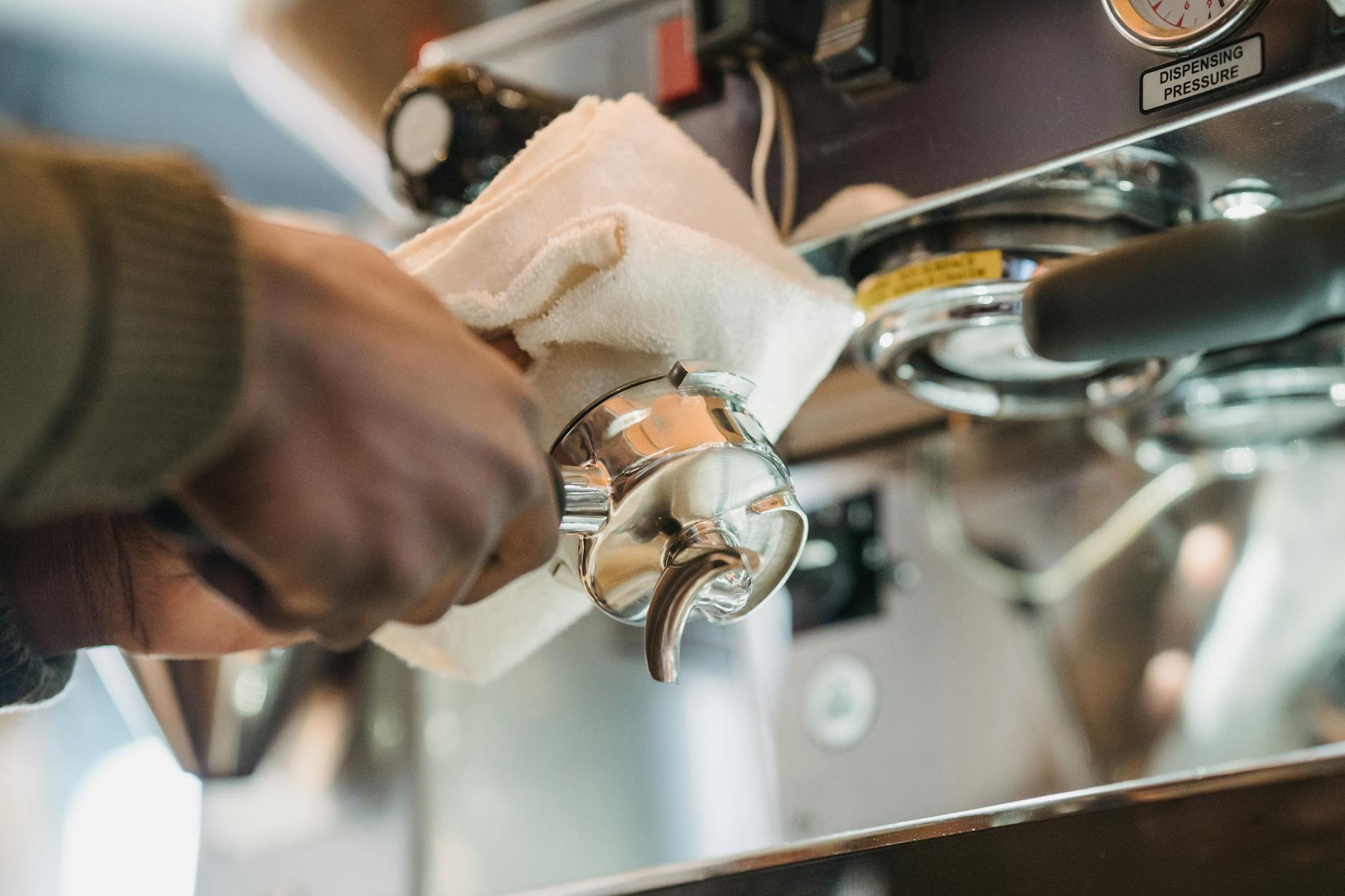
Owning a Gaggia espresso machine is an investment in quality coffee. The heart of this machine, the boiler, is a robust component designed for years of service. However, a silent and often overlooked factor can drastically shorten its life: the water you use. Water hardness, the concentration of dissolved minerals like calcium and magnesium, plays a critical role in the health and longevity of your Gaggia’s boiler. Ignoring it can lead to decreased performance, inconsistent coffee, and ultimately, costly repairs or replacement. This article will delve into how water hardness directly impacts your boiler, the specific types of damage it can cause, and the practical steps you can take to protect your machine and ensure it continues to produce exceptional espresso for years to come.
Understanding water hardness and limescale formation
At its core, water hardness is simply a measure of the dissolved mineral content in your water. When water is heated inside your Gaggia’s boiler, a chemical reaction occurs. The high temperatures cause the dissolved calcium and magnesium bicarbonate minerals to precipitate out of the solution, forming solid calcium carbonate. This solid deposit is what we commonly know as limescale. Think of it as the plumbing equivalent of plaque in an artery. Initially, it forms a thin, chalky layer on the interior surfaces of the boiler, including the heating element and water pathways. As you continue to use the machine with hard water, this layer grows progressively thicker, harder, and more difficult to remove, setting the stage for significant operational problems.
How limescale directly damages your Gaggia boiler
Limescale is not a passive substance; it actively degrades your machine’s performance and components. The damage it inflicts is multi-faceted. Firstly, it attacks the heating element. Limescale is a very poor conductor of heat, acting as an insulator. This forces the heating element to work much harder and for longer periods to bring the water to the correct temperature. This constant strain not only increases your energy consumption but also significantly shortens the lifespan of the heating element, leading to premature burnout. Secondly, this insulating layer disrupts temperature stability. The boiler’s thermostat, which is designed to read the water temperature, ends up reading the temperature of the scale buildup, leading to inaccurate measurements, wild temperature swings, and inconsistent, poor-tasting espresso. Finally, limescale clogs the narrow water pathways, valves, and the group head, restricting water flow and causing the pump to strain, which can lead to leaks and pump failure.
Testing your water and creating a defense strategy
You cannot fight an enemy you don’t understand. The first and most crucial step in protecting your boiler is to determine the hardness of your water. This is easily done with inexpensive water hardness test strips, a digital TDS (Total Dissolved Solids) meter, or by checking the annual water quality report from your local utility provider. Once you know your water’s hardness level, you can implement a proactive strategy. For moderately hard water, using an in-tank filter like the Gaggia Intenza+ can be effective. For those with hard or very hard water, using bottled water with a low mineral content or filtering tap water through a dedicated water-softening pitcher is essential. The ultimate solution for enthusiasts is to create your own “ideal” espresso water by adding specific mineral packets to distilled or reverse osmosis water.
| Water hardness level | Grains per Gallon (GPG) | Parts per Million (PPM) | Recommended descaling frequency |
|---|---|---|---|
| Soft | 0 – 3 | 0 – 50 | Every 4-6 months |
| Moderately Hard | 3 – 7 | 51 – 120 | Every 2-3 months |
| Hard | 7 – 10 | 121 – 180 | Every 1-2 months |
| Very Hard | 10+ | 180+ | Monthly (and using softened water is highly recommended) |
The importance of a consistent descaling routine
While using softened water is the best preventative measure, a regular descaling routine is the essential reactive cure. Descaling is the process of running a mild, food-safe acid solution through the boiler to dissolve any accumulated limescale. It is vital to use a descaler specifically designed for espresso machines, which typically uses citric or lactic acid. Avoid using vinegar, as its acetic acid can be less effective on tough scale and can, over time, damage the rubber seals and gaskets within your Gaggia. The frequency of descaling is directly tied to your water hardness, as outlined in the table above. A consistent routine cleanses the boiler, restores heating efficiency, ensures temperature stability, and keeps all water pathways clear, directly contributing to a longer, healthier life for your machine.
In conclusion, the longevity of your Gaggia boiler is directly in your hands and depends heavily on the water you feed it. Hard water leads to the inevitable formation of limescale, a destructive force that insulates heating elements, confuses sensors, clogs pathways, and ultimately causes component failure. By taking the simple step of testing your water, you can arm yourself with the knowledge needed to act. Implementing a proactive strategy, such as using softened or properly filtered water, is your first line of defense. This must be supported by a disciplined, reactive maintenance routine of regular descaling with a proper solution. Protecting your investment and ensuring years of delicious espresso is not complicated; it simply requires an awareness of water quality and consistent care.
 No products in the cart.