

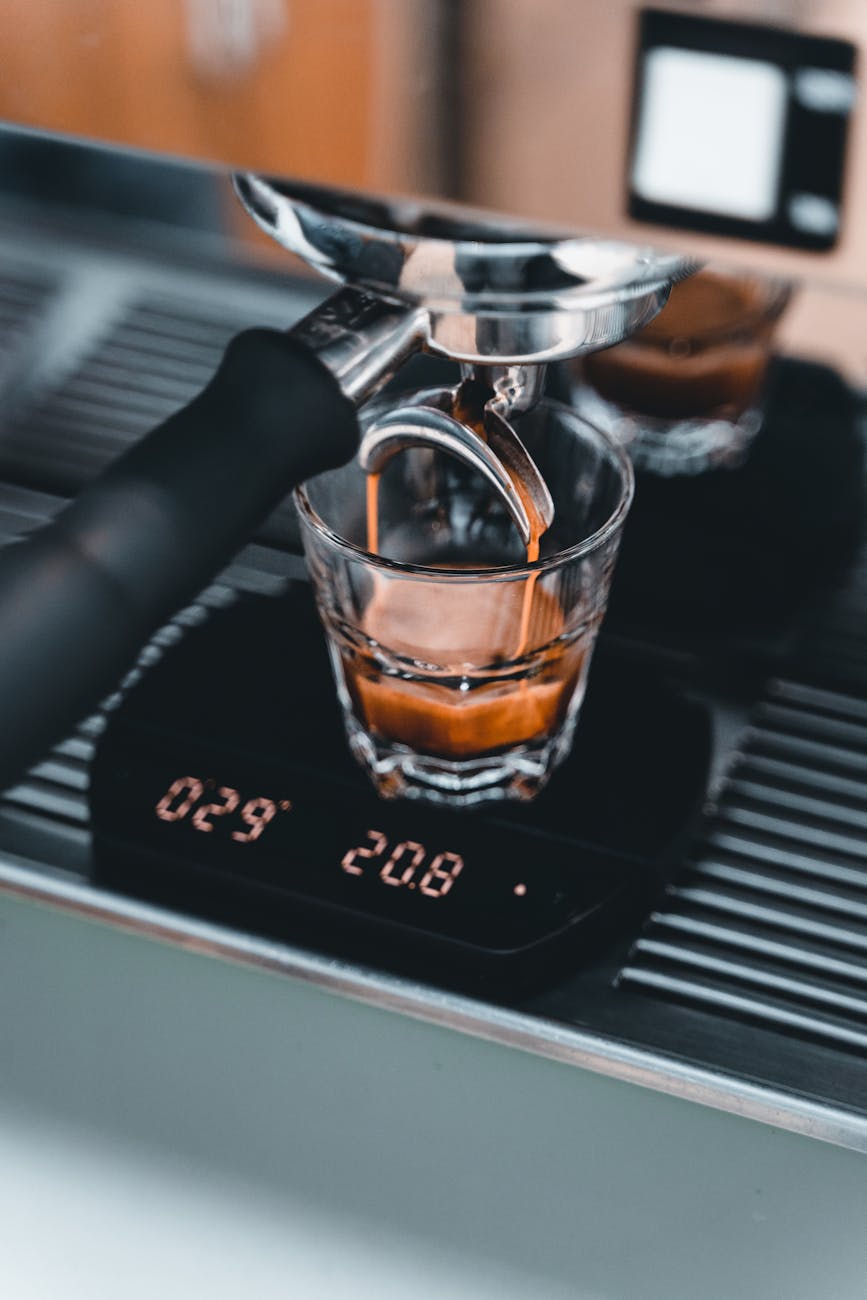
Perfecting an espresso shot can feel like a dark art. You can follow a recipe perfectly, yet the result in your cup is harsh, sour, or disappointingly bitter. While experienced baristas develop a palate to pinpoint extraction flaws instantly, this skill takes time. What if there was a simpler, more accessible tool to help you diagnose your espresso? Enter the humble sugar cube. This article will explore how to use a small amount of sugar not just to sweeten your coffee, but as a powerful diagnostic tool. By observing how sugar interacts with the flavors in your espresso, you can clearly identify specific issues like under-extraction, over-extraction, and channeling, giving you the knowledge you need to adjust your technique and pull a better shot next time.
The fundamentals of flavor in espresso extraction
Before we add sugar to the mix, it’s crucial to understand what we’re tasting in a shot of espresso. The extraction process is a race against time where water dissolves different flavor compounds from the coffee grounds at different rates. In the initial seconds, the most soluble compounds are extracted, which are primarily acids and salts. This is what gives a shot its bright, acidic notes. If you stop the extraction too early, you’re left with a predominantly sour taste. This is under-extraction.
As the shot continues to pull, the water begins to extract sugars and oils. This is the sweet spot, the heart of a balanced shot, where the initial acidity is mellowed by sweetness and a pleasant mouthfeel. A well-extracted shot lives in this balanced zone. However, if the extraction goes on for too long, the water starts breaking down the plant fibers of the coffee itself, extracting bitter and astringent compounds like tannins. This results in a harsh, dry, and often hollow taste known as over-extraction. Understanding this sequence—sour, then sweet, then bitter—is the key to interpreting what’s happening in your cup.
How to perform the sugar test
The sugar test is a simple comparative tasting method. It’s not about finding your preferred sweetness level; it’s about using a consistent amount of sugar as a scientific control to reveal the underlying balance (or imbalance) of your espresso. The process is straightforward:
- Pull your espresso shot as you normally would. Don’t change any variables yet. You want to diagnose your current standard procedure.
- Taste the espresso plain. Take a small sip and analyze the flavor. Is it intensely sour? Is it overwhelmingly bitter? Does it taste balanced? Make a mental note of this initial impression. This is your baseline.
- Add a standardized amount of sugar. For consistency, always use the same amount. Half a teaspoon of white granulated sugar is a good starting point. The type of sugar doesn’t matter as much as the consistency of its use.
- Stir thoroughly. Ensure the sugar is completely dissolved so it can interact with all the liquids in the cup.
- Taste the espresso again. This is the crucial step. Pay close attention to how the flavor has changed. Did the sugar balance the shot and make it delicious? Or did it clash with the existing flavors and make it taste worse? The transformation is where the diagnosis lies.
This before-and-after comparison allows you to move past a simple “I don’t like this” to a more precise “This is what is wrong, and I know why.”
Interpreting the results to identify flaws
The magic of the sugar test is in the interpretation. How the espresso’s flavor profile shifts after adding sugar will point you directly to the specific extraction flaw. The sugar doesn’t just add sweetness; it interacts with the acidity and bitterness already present in the cup.
An under-extracted shot is dominated by sour acids. When you add sugar, it balances this acidity, much like making lemonade. The unpleasant, sharp sourness transforms into a bright, pleasantly tart, and balanced flavor. If your sour shot suddenly becomes delicious and balanced with sugar, you’ve confirmed under-extraction. The key giveaway is the lack of any significant bitterness even after the sugar is added.
Conversely, an over-extracted shot is full of deep, dry bitterness. When you add sugar to this, you don’t get balance. Instead, you get a jarring combination of sickly sweet and intensely bitter. The sugar fails to mask the astringent, harsh flavors and simply sits on top of them, creating a very unpleasant taste. If sugar makes your bad-tasting espresso taste even worse in a cloying, bitter way, you are dealing with over-extraction.
Finally, there’s channeling, where water punches a hole through the coffee puck, resulting in a mix of under- and over-extracted coffee in the same cup. This shot will taste both sour and bitter. Adding sugar will create a confusing mess. It might tame some of the sourness, but the harsh bitterness will still be prominent, leading to a muddled and unbalanced final taste. If you can’t decide if the shot is sour or bitter, and sugar just makes it taste weirdly sweet-sour-bitter, you likely have a channeling issue.
A diagnostic table for your espresso
To make it even simpler, here is a quick-reference table to help you diagnose your shots using the sugar test and guide you on how to fix them. The goal is to use this feedback to adjust your brew variables—like grind size, dose, or yield—to achieve a balanced shot that tastes great even before you add sugar.
| Initial Taste (Without Sugar) | Taste After Adding Sugar | Likely Extraction Flaw | How to Fix It |
|---|---|---|---|
| Intensely sour, thin body, lacking sweetness. | Becomes balanced, pleasant, like sweet lemonade. | Under-extraction | Grind your coffee finer, increase your brew ratio (more water out for the same dose), or increase brew temperature. |
| Harshly bitter, astringent, dry finish, hollow. | Becomes sickly sweet while still being very bitter. Unpleasant clash of flavors. | Over-extraction | Grind your coffee coarser, decrease your brew ratio (less water out for the same dose), or decrease brew temperature. |
| A confusing mix of sour and bitter. | Muddled and unbalanced. The sourness might lessen, but the bitterness remains strong. | Channeling | Focus on puck prep. Use a distribution tool (WDT), ensure an even and level tamp, and check for a clean screen. |
| Balanced, sweet, with pleasant acidity and minimal bitterness. | Simply becomes a sweeter version of the already good espresso. Flavors are enhanced. | Well-extracted | Congratulations! Replicate what you just did. |
Ultimately, the goal of making espresso is to achieve a shot that is naturally sweet and balanced on its own. The sugar test is not a crutch or a permanent addition to your coffee routine, but rather a powerful learning tool. It demystifies the complex world of espresso extraction, providing clear, actionable feedback that anyone can understand. By taking a moment to perform this simple diagnostic, you can move beyond guesswork and start making targeted adjustments to your grind, dose, and technique. This process will accelerate your learning curve, helping you understand your equipment and your coffee on a deeper level and empowering you to consistently pull delicious, cafe-quality espresso shots right in your own home.
 No products in the cart.