

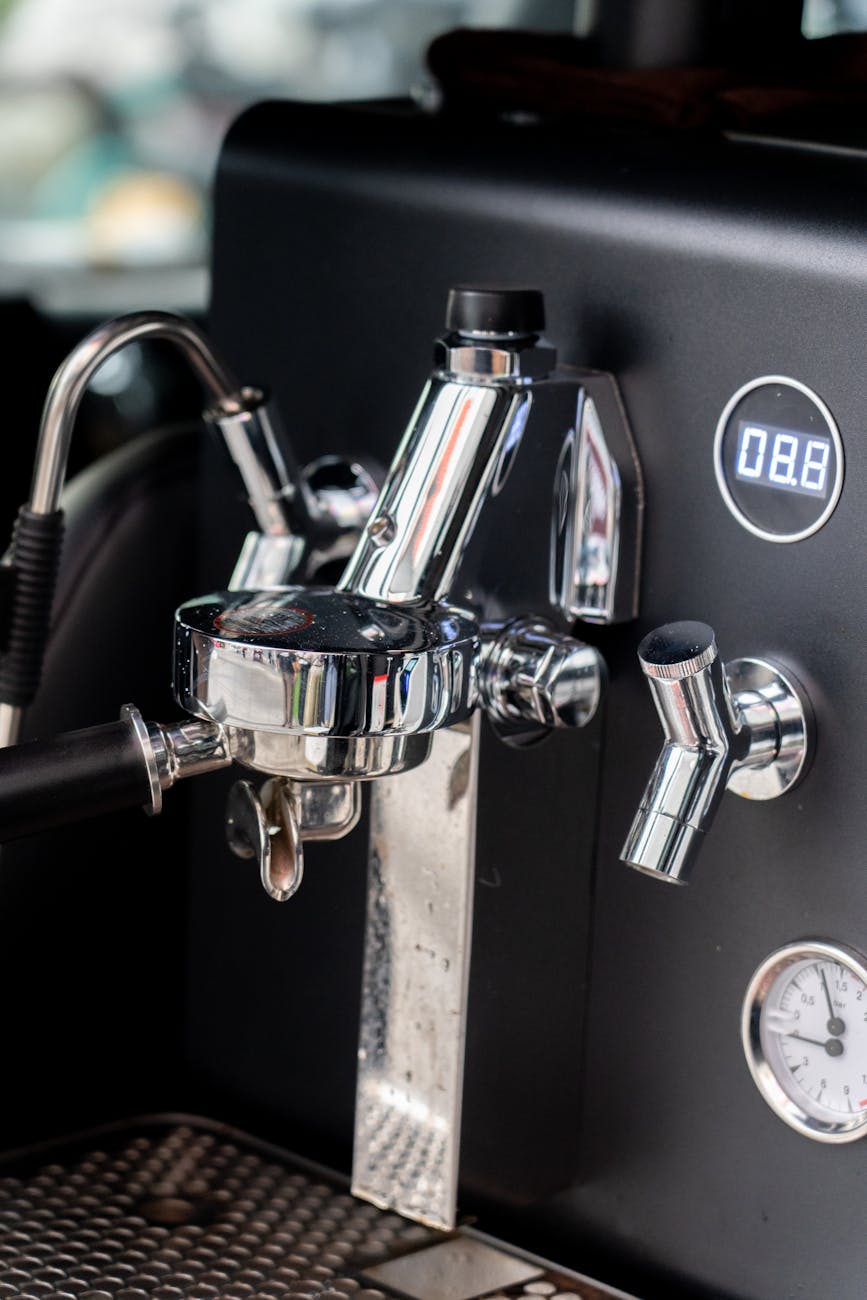
The DeLonghi ECP3420 is a fantastic gateway into the world of home espresso, offering affordability and simplicity. However, many owners quickly discover the challenge of achieving consistent, high-quality extractions. Issues like channeling, where water punches through weak spots in the coffee bed, can lead to sour, bitter, and underwhelming shots. Fortunately, a simple and inexpensive tool can dramatically elevate your results: the puck screen. This small metal disc, placed on top of your tamped coffee, promises to solve many of the ECP3420’s inherent challenges. In this article, we will explore exactly how a puck screen works, how to integrate it into your workflow, and the tangible improvements you can expect in your daily espresso.
Understanding your ECP3420 and its limitations
Before we introduce the solution, it’s crucial to understand the problem. The DeLonghi ECP3420, like most entry-level machines, comes equipped with a pressurized portafilter. This type of portafilter has a double-walled basket with only a single exit hole. This design artificially builds pressure, forcing the coffee through that tiny opening. It’s a forgiving system that helps create a foam-like “crema” even if your coffee grind isn’t perfect or your tamping is uneven.
However, this forgiving nature comes at a cost. The pressurized system can mask underlying issues in your puck preparation. The intense pressure forces water into the coffee bed aggressively, making it highly susceptible to channeling. Water will always seek the path of least resistance, and any small crack or less dense area in your coffee puck becomes a highway. This results in some coffee grounds being over-extracted (causing bitterness) and others being under-extracted (causing sourness), all in the same shot. The result is often a thin-bodied, unbalanced espresso, and the crema produced is more like bubbly foam than the rich, velvety crema of a true extraction.
What is a puck screen and how does it help?
A puck screen is a simple, reusable metal disc, typically made of layered stainless steel mesh. For the DeLonghi ECP3420, you will need a 51mm puck screen to fit its portafilter basket. Its function is surprisingly sophisticated for such a basic tool. When you lock the portafilter into the machine and start the extraction, water doesn’t hit the coffee grounds directly. Instead, it first hits the puck screen.
This does two critical things:
- Gentle water distribution: The screen absorbs the initial, high-pressure blast of water from the group head and distributes it as a gentle, even shower across the entire surface of the coffee puck. This prevents the water from immediately drilling a hole into the coffee, which is a primary cause of channeling.
- Increased puck integrity: By slowing and dispersing the water, the screen helps maintain the structural integrity of your tamped coffee. The puck is less likely to fracture or erode during the extraction process, promoting a more uniform flow of water through all the coffee grounds.
A secondary but significant benefit is cleanliness. The screen acts as a physical barrier, preventing coffee grounds from being sucked back into the group head and shower screen at the end of a shot. This keeps your machine cleaner for longer and reduces the frequency of deep cleaning.
How to use a puck screen with your ECP3420
Integrating a puck screen into your routine is straightforward, but it requires a small adjustment to your process. Since the screen takes up a few millimeters of space in the basket, you may need to slightly lower your coffee dose.
- Prepare your coffee: Grind your beans as you normally would. If you previously used 14 grams of coffee in your double-shot basket, try starting with 13.5 grams to make room for the screen.
- Distribute and tamp: Add your ground coffee to the portafilter basket. Distribute it evenly to avoid any high or low spots. Tamp the coffee firmly and with a level press. A level tamp is even more important now, as an unlevel bed will cause the puck screen to sit at an angle.
- Place the screen: Gently place the 51mm puck screen directly on top of the tamped coffee grounds. It should sit flat and snug against the coffee.
- Pull your shot: Lock the portafilter into the ECP3420 and begin your extraction. You should notice a more stable, even flow from the spouts, without the spurting or gushing that indicates channeling.
- Clean up: After your shot, knock out the coffee puck. You’ll find it comes out as a single, dry, and solid piece with the screen attached. Simply rinse the puck screen under hot water immediately to remove any coffee oils and grounds, and it’s ready for your next shot.
The results: better consistency and flavor
So, what real-world difference does this little metal disc make? The improvements are noticeable almost immediately. By eliminating channeling, you achieve a much more even extraction. This directly translates to better-tasting espresso. The harsh bitterness and sourness fade, replaced by a more balanced, sweeter, and complex flavor profile from your coffee beans. The body and mouthfeel of the shot will also improve, feeling richer and less watery.
Consistency is perhaps the biggest win. Your shots will go from being a frustrating game of chance to being repeatable and reliable. The puck screen provides a buffer against small imperfections in your puck prep, giving you a wider margin for error. For a visual summary of the benefits, consider the following:
| Metric | Without Puck Screen | With Puck Screen |
|---|---|---|
| Extraction Flow | Often uneven, prone to spurting (channeling). | Stable, centered, and consistent flow. |
| Flavor Profile | Inconsistent, often with notes of bitterness or sourness. | More balanced, sweeter, and reveals more complexity. |
| Puck Condition | Often wet, muddy, and soupy after extraction. | Dry, solid, and easy to knock out in one piece. |
| Machine Cleanliness | Group head gets dirty quickly with coffee grounds. | Group head and shower screen stay much cleaner. |
For a minimal investment, a puck screen is one of the most impactful upgrades you can make for your DeLonghi ECP3420. It directly addresses the machine’s primary weakness—its aggressive water delivery into a pressurized system—and transforms its performance. By preventing channeling and promoting an even extraction, you unlock the true potential of your coffee beans, achieving a level of flavor and consistency you might not have thought possible from an entry-level machine. It simplifies cleanup, protects your equipment, and ultimately, helps you pull a significantly better shot of espresso. If you are serious about improving your home coffee game, adding a puck screen to your ECP3420 toolkit is a logical and highly rewarding next step.


 No products in the cart.