

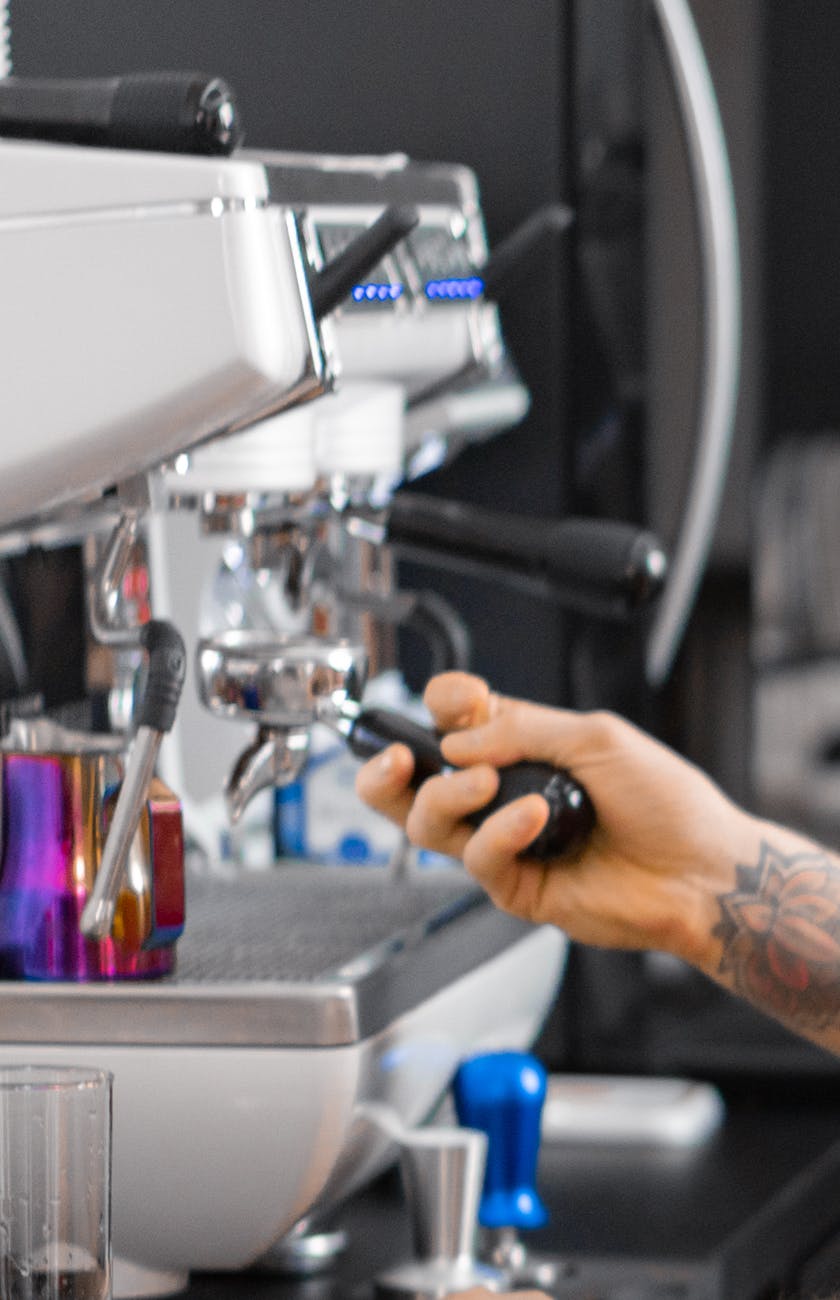
How to use a high-end grinder to unlock complex espresso flavors
The journey towards the perfect espresso shot—that elusive, syrupy extraction bursting with complex flavors—often begins with an expensive espresso machine. Yet, many enthusiasts soon discover the true gatekeeper to exceptional coffee is not the brewer, but the grinder. A high-end grinder is far more than a tool for pulverizing beans; it is a precision instrument designed for control. It unlocks the potential hidden within specialty coffee beans, transforming a muddy, one-dimensional shot into a transparent and nuanced experience. This article will guide you through how to leverage the features of a premium grinder, moving beyond the basics to explore the critical roles of grind consistency, burr geometry, and micro-adjustments in your quest for the ultimate espresso.
Why grind consistency is king
At the heart of any great espresso is an even extraction. This simply means that water passes through the coffee grounds and extracts flavor compounds at a consistent rate from every particle. The single most important factor influencing this is grind consistency, or the uniformity of the coffee particle size. A low-quality grinder shatters beans into a chaotic mix of large chunks (boulders) and fine powder (fines).
This inconsistency is disastrous for flavor. During extraction:
- Fines, with their large surface area, over-extract quickly, contributing harsh, bitter, and astringent notes.
- Boulders, being much larger, under-extract, introducing sour, acidic, and undeveloped flavors.
The result is a cup that is simultaneously bitter and sour—a muddled mess where no clear flavors can shine through. A high-end grinder, by contrast, is engineered to produce a much more uniform, or unimodal, particle distribution. By minimizing both fines and boulders, it ensures that the vast majority of coffee grounds extract at the same rate. This clean, even extraction is the foundation upon which all complex flavors are built, allowing the delicate floral, fruity, or chocolatey notes of the bean to be clearly perceived.
The role of burr geometry and material
The “engine” of the grinder is its burr set. The design, size, and material of the burrs dictate the quality and characteristics of the grind, directly impacting the flavor profile in your cup. The two primary types are flat and conical burrs, each with its own tendencies.
Flat burrs are known for producing a highly uniform and unimodal grind. This precision excels at creating clarity and flavor separation, making them the preferred choice for light-roast specialty coffees where you want to taste delicate notes like jasmine, bergamot, or wild berries. They create a clean cup that highlights the bean’s origin. Conical burrs, on the other hand, typically produce a grind with a slightly wider particle distribution (often a primary size with a smaller group of fines). This can enhance body and mouthfeel, making them excellent for creating rich, chocolatey, and nutty espresso profiles that pair well with milk.
Beyond shape, the size and material matter. Larger burrs (e.g., 64mm and up) can grind faster and at lower RPMs, which generates less heat and helps preserve the coffee’s volatile aromatic compounds. Materials like hardened steel are the standard, but many premium grinders feature burrs with advanced coatings like Titanium Nitride (TiN) or Diamond-Like Carbon (DLC). These coatings dramatically increase the burr’s lifespan and create a smoother surface, which can reduce retention and static for an even cleaner grind.
Dialing in with precision: the stepless advantage
Once you have a consistent grind, you need to be able to fine-tune its size to control your extraction. This process, known as “dialing in,” involves adjusting the grind to achieve a target yield in a target time (e.g., 18g of coffee in, 36g of espresso out, in 25-30 seconds). Here, the adjustment mechanism of your grinder becomes critical.
Entry-level grinders often use a stepped adjustment, where you are limited to a set number of “clicks.” The problem is that the perfect grind size for your beans often lies somewhere between two clicks. You might find one setting produces a shot that gushes out in 20 seconds (under-extracted, sour) while the very next click chokes the machine and produces a shot in 40 seconds (over-extracted, bitter). You are stuck, unable to hit the sweet spot.
A high-end grinder features a stepless or micro-stepped adjustment mechanism. This provides virtually infinite control between the finest and coarsest settings. This precision allows you to make minuscule changes—moving the burrs closer or farther apart by mere microns—to perfectly manipulate the flow rate. It is this ability to slow down a gusher by two seconds or speed up a slow shot by three that unlocks a balanced extraction where sweetness, acidity, and bitterness are in perfect harmony.
Advanced workflow and variables
Using a high-end grinder is about creating a repeatable, controlled process. The uniform grinds it produces enable advanced techniques that further refine your espresso. One key factor is low retention. This refers to how much ground coffee is left inside the grinder after each use. High-end, single-dosing grinders are designed to have near-zero retention, ensuring that the coffee you brew is only from the beans you just put in, not stale grounds from yesterday.
To further combat retention and static, many baristas use the Ross Droplet Technique (RDT)—a tiny spritz of water on the whole beans before grinding. This simple step can dramatically reduce static cling, leading to a cleaner workflow and less wasted coffee.
Finally, the beautifully uniform grounds from a quality grinder are the perfect canvas for the Weiss Distribution Technique (WDT). This involves using a needle tool to break up clumps and evenly distribute the grounds in the portafilter, eliminating channels and ensuring the water flows evenly through the entire coffee bed. A great grinder makes WDT more effective, creating the ideal conditions for a flawless extraction.
| Grinder feature | Impact on grind | Result in the cup |
|---|---|---|
| Large flat burrs (64mm+) | Highly uniform (unimodal) particle size, less heat generation. | High clarity, flavor separation, bright acidity. Ideal for light roasts. |
| Conical burrs | Slightly wider particle distribution with more body. | Rich texture, blended flavors, enhanced sweetness and body. Great for medium/dark roasts. |
| Stepless adjustment | Infinite micro-adjustments to grind size. | Precise control over extraction time and flow rate, enabling a perfectly balanced shot. |
| Low retention design | Minimizes stale grounds left in the grinder. | Ensures freshness and flavor purity, shot after shot. |
Investing in a high-end grinder is the most impactful upgrade you can make to your espresso setup. It is not about luxury; it is about gaining absolute control over the most important variable in coffee brewing. By producing a consistent particle size, a premium grinder lays the groundwork for a clean, even extraction. Its superior burrs and stepless adjustment then empower you to meticulously dial in the shot, targeting specific flavor profiles and unlocking the subtle nuances that cheaper grinders obscure. It transforms espresso making from a game of chance into a craft of precision, allowing you to finally taste the full, complex potential that the roaster intended for you to experience in every single bean.