

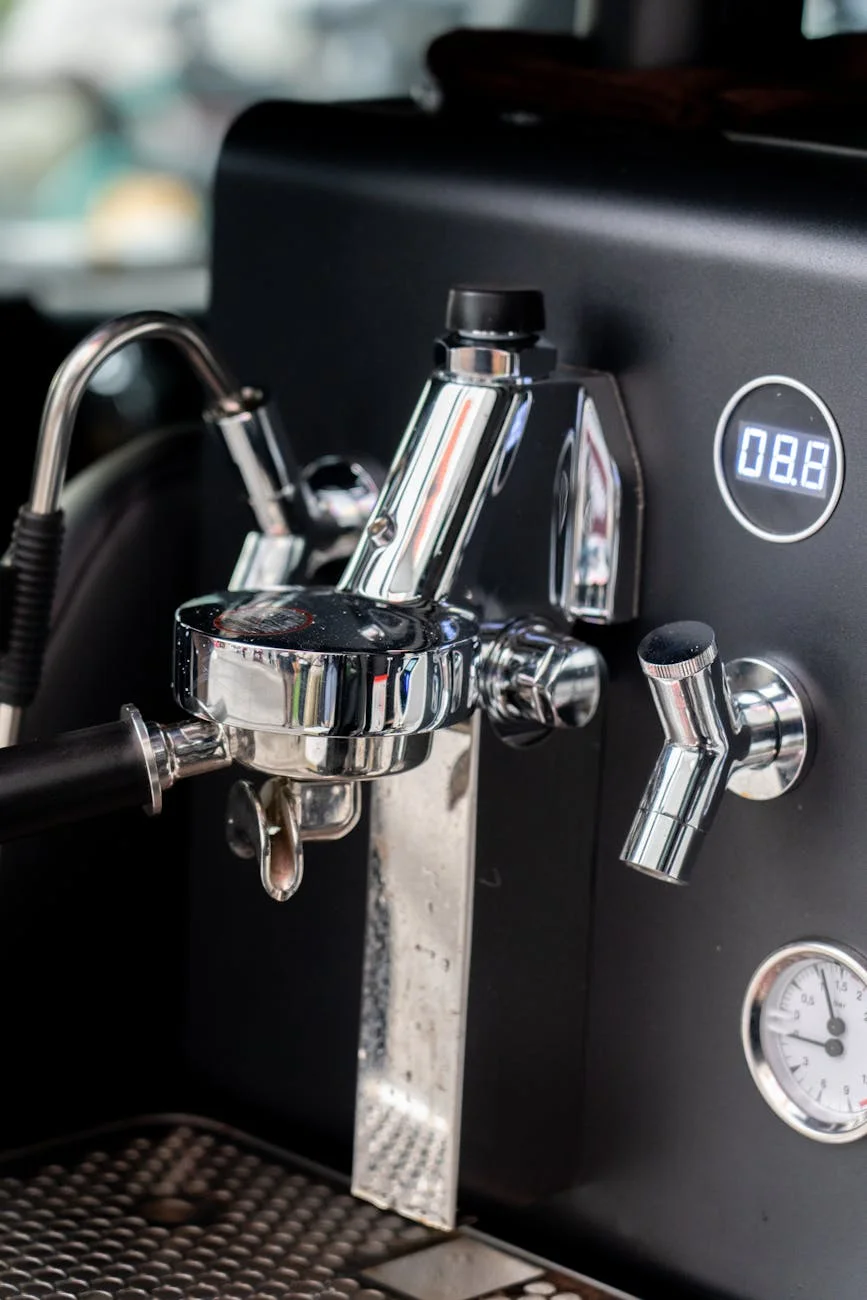
The pursuit of the perfect espresso shot is a journey filled with variables. From the grind size and dose to the tamping pressure, every step matters. Yet, one of the most critical and often overlooked variables is brew water temperature. Even a change of a few degrees can drastically alter the taste of your shot, turning a sweet, balanced extraction into a sour or bitter disappointment. For home baristas, especially those using popular E61-style machines, managing this temperature can feel like guesswork. This is where a group head thermometer comes in. This simple-looking device is a game-changer, providing real-time data that transforms temperature management from a dark art into a repeatable science. This article will guide you through why it’s essential and how to use it to achieve ultimate espresso consistency.
Why brew temperature is critical for espresso
To understand the value of a group head thermometer, we first need to appreciate the profound impact temperature has on coffee extraction. Think of brewing espresso as a chemical reaction where hot water acts as a solvent, pulling out soluble flavor compounds from the ground coffee. The temperature of that water dictates which compounds are extracted and at what rate.
When the water is too hot, the extraction process happens too quickly and aggressively. This tends to pull out the less desirable, bitter, and astringent compounds from the coffee grounds, resulting in a harsh and over-extracted shot. Conversely, if the water is too cool, it won’t have enough energy to properly dissolve the desirable sugars and oils. This leads to a weak, thin-bodied, and sour shot—a classic sign of under-extraction.
The ideal temperature isn’t a single magic number; it varies based on the coffee itself. Generally, lighter roasts with delicate, acidic notes require higher temperatures to be fully extracted, while darker roasts, which are more soluble, benefit from lower temperatures to avoid bitterness. A group head thermometer gives you the precise control needed to unlock the unique potential of every bean you use.
Understanding the group head thermometer
A group head thermometer is a purpose-built digital thermometer designed to measure the water temperature right at the point where it exits the group head and enters the portafilter. For users of machines with an E61 group head—a design icon found on countless prosumer machines—it’s an almost essential upgrade. These machines, particularly Heat Exchanger (HX) models, are known for temperature instability. The E61 group is a massive brass component that helps with thermal stability, but the water within the system can overheat when the machine is idle.
The thermometer typically works by replacing a small M6 screw on the front face of the group head. Its metal probe extends directly into the water path, providing an accurate, real-time reading of the water that will hit your coffee puck. This isn’t the boiler temperature, which can be wildly different; this is the actual brew temperature, which is far more relevant to your extraction. By providing this crucial piece of data, the thermometer empowers you to manage the temperature actively rather than just guessing.
Mastering the cooling flush with your thermometer
Once installed, the thermometer’s primary function is to help you master the “cooling flush.” This technique is essential for taming the temperature of a Heat Exchanger (HX) machine. When an HX machine sits idle, the water in the heat exchanger tube can become superheated, far too hot for brewing. A cooling flush involves running water through the group head to purge this overheated water and bring the group to your desired brewing temperature.
Without a thermometer, this is pure guesswork. With one, it becomes a precise and repeatable process:
- Observe the idle temperature: When your machine has been idle for a while, the thermometer might read a high temperature, for example, 98°C (208°F). This is too hot to brew.
- Start the cooling flush: Run the pump to flush water through the open group head (without the portafilter). You will see the temperature on the thermometer spike for a moment as the superheated water is released, and then it will begin to fall steadily.
- Stop at your target: Your goal is to stop the flush just as the temperature drops to your desired brew temperature. For example, if you want to brew at 92°C (198°F), you would stop the flush the moment the display reads 92°C.
- Lock in and brew: Immediately after stopping the flush, lock in your prepared portafilter and start your shot. The temperature will stabilize and hold very close to your target throughout the extraction.
By following this routine, you eliminate the single biggest variable in your espresso preparation. Every shot can be pulled at the exact same temperature, giving you a consistent foundation to build upon.
Interpreting the data to dial in your coffee
A group head thermometer doesn’t just enable consistency; it opens up a new level of precision for dialing in different coffees. The number on the display is your key reference point. By tasting your espresso and looking at the temperature you used, you can make informed adjustments to improve the flavor.
Start by creating a simple log. If your espresso tastes sour, you know it’s likely under-extracted, so you can increase your brew temperature by 1-2 degrees for the next shot. If it tastes overly bitter, you can lower the temperature to mellow out the extraction. This turns a frustrating process into a methodical one. You can use a general guideline to find a starting point for different roast levels.
| Coffee Roast Level | Suggested Temperature Range | Common Taste Profile & Notes |
|---|---|---|
| Light Roast | 92°C – 95°C (198°F – 203°F) | More acidic and floral. Requires higher heat to properly extract these delicate flavors. Prone to sourness if brewed too cool. |
| Medium Roast | 90°C – 93°C (194°F – 200°F) | Balanced sweetness and body. This range is a versatile starting point for most coffees. |
| Dark Roast | 88°C – 91°C (190°F – 196°F) | Chocolaty, nutty, with low acidity. These beans are more soluble and can easily become bitter if brewed too hot. |
Remember, these are starting points. The ultimate goal isn’t to hit a “correct” number but to find the temperature that makes your coffee taste best to you. The thermometer provides the tool to find that perfect spot and, more importantly, return to it every single time.
In conclusion, the journey to consistent, cafe-quality espresso at home is a process of controlling variables. While we often focus on the grinder and the beans, brew water temperature is an equally powerful factor in determining the final taste in the cup. For baristas using machines prone to temperature swings, like the popular E61 models, a group head thermometer is not a luxury—it’s a transformative tool. It replaces guesswork with hard data, turning the frustrating art of “temperature surfing” into a precise, repeatable science. By giving you a clear view of your brew temperature in real-time, it empowers you to make intentional adjustments, perfectly dial in any coffee, and finally achieve the shot-to-shot consistency you’ve been chasing.

 No products in the cart.