

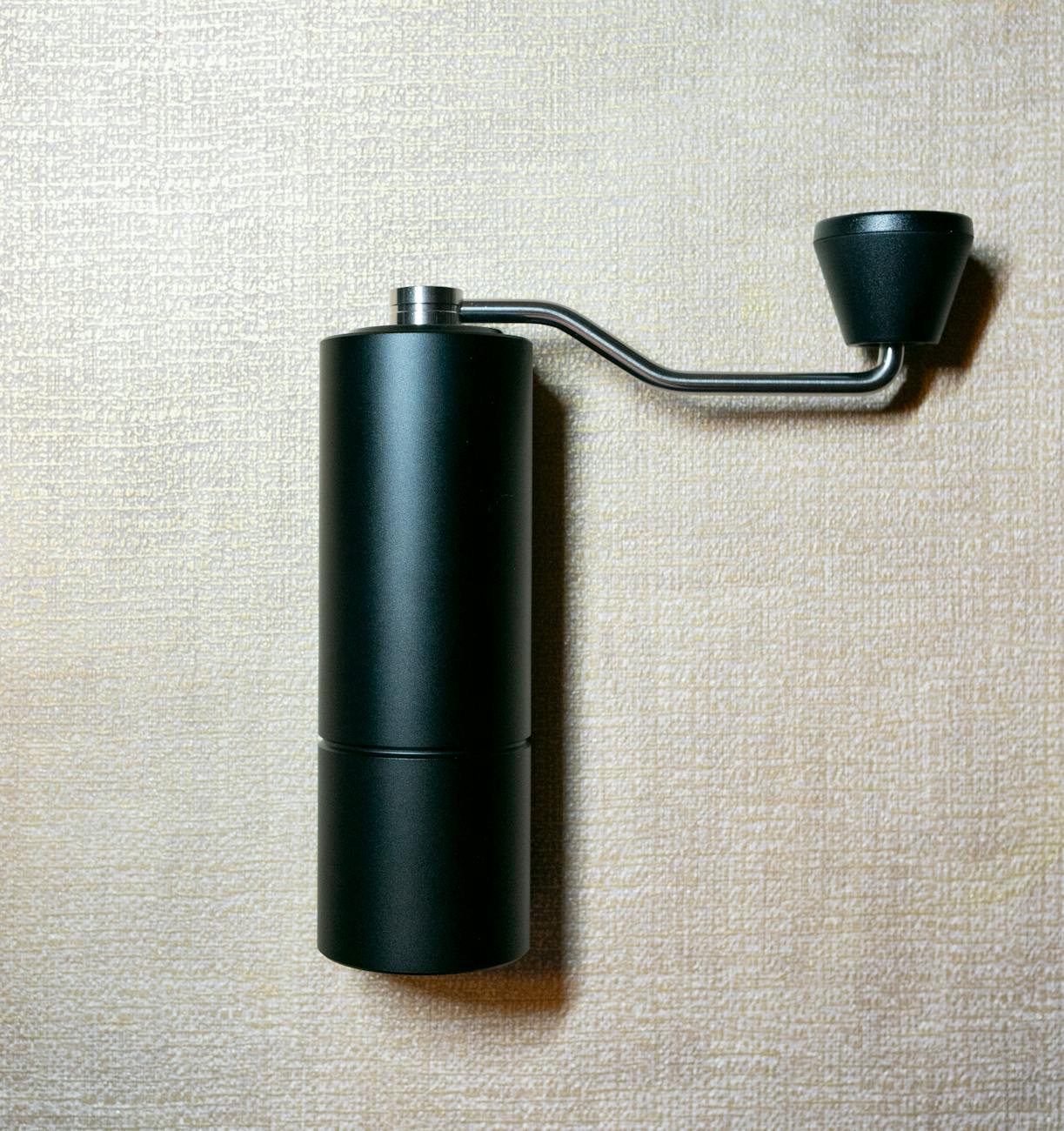
Mastering your Niche: A guide to switching between light and dark roasts
The Niche grinder has earned a stellar reputation among coffee enthusiasts for its single-dosing workflow and remarkably low grind retention. This design makes it an ideal tool for home baristas who love to explore a wide variety of coffee beans. However, this exploration often involves switching between very different roast profiles, from dense, delicate light roasts to oily, brittle dark roasts. Each type behaves differently in the grinder, requiring specific adjustments to achieve a perfect extraction. This article is your comprehensive guide to seamlessly transitioning between light and dark roasts on your Niche, ensuring you get the absolute best flavor from every single bean, without wasting precious coffee in the process.
Understanding why roasts grind differently
Before twisting the dial on your Niche, it’s crucial to understand why light and dark roast beans require different grind settings. The key differences are density, moisture, and brittleness, all results of the roasting process. A light roast coffee bean is roasted for a shorter time. It retains more of its original moisture and density, making it a harder, smaller bean. When you grind it, you need more force to break it down, and it tends to produce fewer fine particles.
Conversely, a dark roast has spent much longer in the roaster. It has expanded, lost more moisture, and its internal structure has become more porous and brittle. Oils from within the bean have migrated to the surface. This makes it much easier to fracture. If you use the same grind setting as a light roast, a dark roast bean will shatter into a much wider range of particle sizes, including an excess of super-fine particles that can easily clog your espresso machine and lead to a bitter, over-extracted shot.
The dialing-in process: From dark to light and back again
Knowing the physical properties of the beans makes the adjustment process logical. The Niche’s stepless adjustment collar gives you precise control, but you need to know which direction to turn it. The fundamental rule is: denser beans require a finer setting to achieve the same extraction time.
Switching from a dark roast to a light roast
You’ve just pulled a perfect shot with a dark, chocolatey Italian blend, and now you want to try a bright, fruity Ethiopian light roast. Because the light roast bean is denser and harder, you will need to grind significantly finer.
- Purge the grinder: First, run 2-3 beans of your new light roast through the grinder to push out any remaining dark roast grounds.
- Make a bold adjustment: Turn the adjustment collar to a much finer setting. Don’t be timid; a jump of 5-10 full numbers on the Niche dial is a common starting point.
- Pull a test shot: Grind your usual dose and pull a shot. It will likely run too fast (a “gusher”), but this gives you a baseline.
- Make micro-adjustments: From here, adjust the grind finer in small increments (1-2 numbers at a time) until you hit your target shot time and taste.
Switching from a light roast to a dark roast
Moving in the opposite direction, from light to dark, requires the opposite adjustment. The brittle dark roast bean will produce too many fines if the grind is too tight. Therefore, you need to grind significantly coarser.
- Purge the grinder: Again, run a few beans of the new dark roast through to clear out the old grounds.
- Make a bold adjustment: Turn the collar to a much coarser setting. A jump of 5-10 numbers coarser is a good starting place.
- Pull a test shot: This shot will likely run too slow or even choke the machine. This is expected.
- Make micro-adjustments: Adjust slightly coarser if it choked, or slightly finer if it was just a bit too slow, until your extraction is balanced.
| Transition Direction | Initial Adjustment | Reason |
|---|---|---|
| Dark Roast → Light Roast | Finer (e.g., from 20 to 12) | Light roast beans are denser and harder to break down. |
| Light Roast → Dark Roast | Coarser (e.g., from 12 to 20) | Dark roast beans are more brittle and produce more fines. |
The critical role of cleaning and purging
While the Niche is famous for its low retention, “low” doesn’t mean “zero.” Tiny amounts of coffee grounds and oils inevitably remain inside the grind chamber and on the burrs after each use. When switching roasts, these remnants can compromise the flavor of your next cup. Imagine the delicate floral notes of a Geisha coffee being tainted by the lingering smoky, roasty flavors of an oily Sumatra bean. This is where purging and cleaning become non-negotiable steps for any discerning coffee lover.
Purging, as mentioned in the previous chapter, is the simple act of grinding a small amount (2-3 beans) of your new coffee to push out the old. This is your first line of defense against flavor contamination. For an even cleaner transition, especially after using a particularly oily dark roast, a more thorough clean is recommended. Use the brush that came with your Niche to sweep out the exit chute. For a deeper clean, consider using grinder-specific cleaning tablets like Grindz every month or so. This removes built-up oils and stale particles, ensuring your burrs perform optimally and every coffee tastes pure and distinct.
Pro tips for ultimate consistency
Once you’ve mastered the basic adjustments, a few extra techniques can elevate your consistency and make your workflow even smoother. These small habits separate good coffee from truly exceptional coffee.
- Keep a log: Use a small notebook or a coffee-tracking app on your phone to log your grind settings. For each new bag of beans, write down the roaster, the coffee’s origin, the roast level, and the final grind setting number you settled on. This creates an invaluable database, allowing you to quickly get close to the perfect setting the next time you buy a similar bean.
- Use the Ross Droplet Technique (RDT): Static electricity can be a nuisance, causing chaff and fine grounds to cling to your grinder and dosing cup. This is often more pronounced with drier light roasts. RDT is the simple solution: lightly spritz your beans with a fine mist of water before grinding. One or two spritzes is all it takes to virtually eliminate static, leading to a cleaner grind and a more accurate dose.
- Check your calibration: Ensure your Niche grinder is properly calibrated. Over time and with use, the zero point can shift. Recalibrating according to the manufacturer’s instructions ensures that the numbers on your dial are a consistent and reliable reference, making your logged settings accurate for future use.
Switching between light and dark roasts on your Niche grinder doesn’t have to be a frustrating process of trial and error. By understanding the fundamental physical differences between the beans, you can make intelligent, informed adjustments. Remember the core principle: dense light roasts require a finer grind, while brittle dark roasts demand a coarser one. This knowledge, combined with a consistent routine of purging and periodic cleaning, is the key to unlocking flavor purity. By incorporating pro tips like logging your settings and using RDT, you transform your grinder from a simple tool into a precision instrument. Embrace the versatility of your Niche, and you will be rewarded with the ability to confidently explore the entire, wonderful spectrum of coffee.


 No products in the cart.