

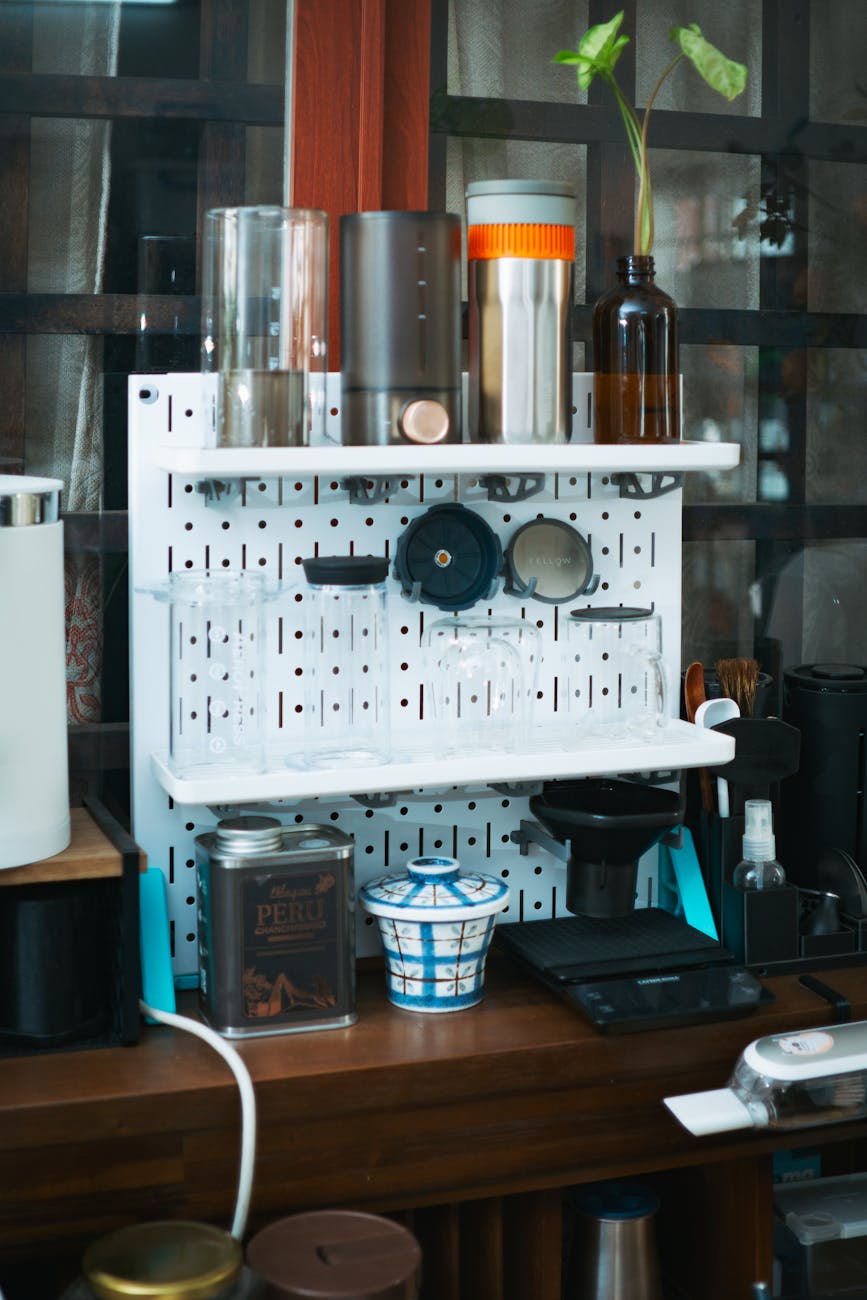
How to store espresso cups: A guide to optimal workflow in a small coffee station
Creating the perfect shot of espresso is an art form, but the ritual doesn’t end when the machine stops. For enthusiasts with a small coffee station, the battle for counter space is constant. How you organize this compact area can dramatically impact your daily routine. Storing your espresso cups, or demitasses, might seem like a minor detail, but it’s a cornerstone of an efficient and enjoyable coffee-making process. Proper storage isn’t just about tidiness; it’s about maintaining cup temperature, protecting your delicate porcelain, and creating a seamless workflow from bean to sip. This guide will explore practical and clever ways to store your espresso cups, transforming a cluttered corner into a functional and elegant home café.
Why proper cup storage matters more than you think
Before we dive into specific solutions, it’s crucial to understand why we should even care about where we put our espresso cups. The placement is about more than just aesthetics; it directly influences the quality of your coffee and the efficiency of your process. Think of it as the mise en place for your coffee bar. Having everything in its right place, ready for action, is key.
Here are the three core reasons why thoughtful cup storage is essential:
- Workflow efficiency: In a small space, every second and every movement counts. Fumbling for a cup in a crowded cabinet while your perfect shot of espresso is dying on the machine’s tray is frustrating. Storing cups within arm’s reach of your machine creates a fluid, uninterrupted motion. This ergonomic approach minimizes steps and streamlines your entire routine, making your morning coffee ritual a pleasure rather than a chore.
- Temperature stability: This is perhaps the most critical factor for any true espresso lover. A shot of espresso is a small volume of liquid that loses heat rapidly. Pouring it into a cold ceramic cup will instantly shock the coffee, muting its complex flavors and killing the delicate crema. Properly stored cups are either pre-warmed on the machine or placed where they can be easily grabbed for a quick pre-heat with hot water from the machine.
- Protection and longevity: Espresso cups, especially those made from high-quality porcelain or ceramic, are prone to chipping and cracking. Piling them haphazardly in a drawer or on a crowded shelf is a recipe for disaster. Dedicated storage solutions protect your investment by preventing cups from knocking against each other, keeping them clean, and ensuring they are always ready for use.
Vertical solutions for maximizing counter space
When counter space is at a premium, the only way to go is up. Utilizing vertical space is the most effective strategy for decluttering your coffee station while keeping your cups accessible. These methods get your demitasses off the valuable real estate next to your grinder and tamper, opening up your workspace.
One of the most popular vertical solutions is installing wall-mounted floating shelves directly above your coffee station. A small, shallow shelf is all you need to line up half a dozen cups. This not only makes them easy to grab but also turns your cup collection into a piece of decor. You can choose wood for a warm, rustic feel or metal for a more industrial, modern look. The key is to install the shelf at a height that is comfortable to reach without being in the way of the espresso machine’s steam wand.
For an even more minimalist approach, consider under-cabinet hooks. These simple, screw-in or adhesive hooks are perfect for hanging cups by their handles. This method frees up both counter and cabinet space and provides excellent air circulation, ensuring your cups are always dry. It positions the cups perfectly for a quick grab-and-preheat, directly contributing to a better workflow. While some worry about dust, the regular use typical of a coffee enthusiast means the cups are washed frequently enough to prevent any significant buildup.
Clever on-counter and in-drawer options
If drilling into walls isn’t an option, or if you prefer to have everything contained on your countertop, there are still many clever ways to keep your cups organized. The most obvious and purpose-built solution is the espresso machine’s warming tray. Most prosumer and high-end consumer machines have a passive or actively heated top panel designed specifically for this purpose. Stacking your cups here is the gold standard for workflow and temperature stability. The cups are always warm and mere inches away from where the espresso is extracted. Even if your machine’s tray is only passively heated by its boiler, it will keep your cups at a much better temperature than a cold cabinet.
When a warming tray isn’t available or is too small, a stacking cup holder or tree is an excellent alternative. These organizers come in various materials, like bamboo or stainless steel, and are designed to hold a set of cups and saucers in a compact vertical stack. They condense the footprint of six cups into the space of one, making them ideal for very tight corners. Another sleek option is to use a drawer. If your coffee station has a drawer directly beneath it, dedicate it to your coffee accessories. Use drawer dividers or custom inserts to create specific slots for your cups, saucers, and spoons. This keeps everything completely out of sight, dust-free, and protected from accidental knocks.
A comparative look at storage methods
Choosing the right storage method depends on your space, your priorities, and how permanent you want the solution to be. Do you prioritize a perfect, pre-warmed cup above all else, or is a clean, minimalist aesthetic your main goal? Perhaps you’re a renter who needs a non-permanent fix. Each method offers a unique balance of pros and cons related to accessibility, space-saving, and cup care.
To help you decide, here is a breakdown of the most common storage solutions and who they are best suited for.
| Storage method | Pros | Cons | Best for |
|---|---|---|---|
| Machine warming tray | Optimal for workflow and pre-heating; uses no extra space. | Limited capacity; not all machines have one. | Espresso purists and those with capable machines. |
| Under-cabinet hooks | Excellent space-saver; very easy access; good for renters (adhesive). | Cups can collect dust; can look cluttered if not organized. | Renters and those with limited counter space. |
| Wall-mounted shelf | Frees up counter; displays cup collection beautifully. | Requires installation; cups can get dusty. | Homeowners who want to create a stylish focal point. |
| Stacking holder/tree | Very compact footprint; keeps cups and saucers together. | Takes up some counter space; can be unstable if bumped. | Anyone with a very narrow or small coffee station. |
| Drawer inserts | Keeps cups clean and protected; creates a minimalist look. | Cups are cold and out of sight; requires an available drawer. | Minimalists who prioritize a clean, uncluttered counter. |
Conclusion
Organizing a small coffee station is a puzzle, but the way you store your espresso cups is a critical piece. As we’ve seen, the right solution does more than just save space. It creates an ergonomic workflow, ensures your cups are properly warmed for the perfect shot, and protects them from damage. Whether you opt to utilize vertical space with shelves and hooks, take advantage of your machine’s warming tray, or tuck your cups away in a dedicated drawer, the goal is the same: to make your coffee-making ritual as seamless and enjoyable as possible. The best method is ultimately a personal choice, tailored to your space and habits. By thoughtfully considering your options, you can transform your compact corner into a highly functional home espresso bar.


 No products in the cart.