

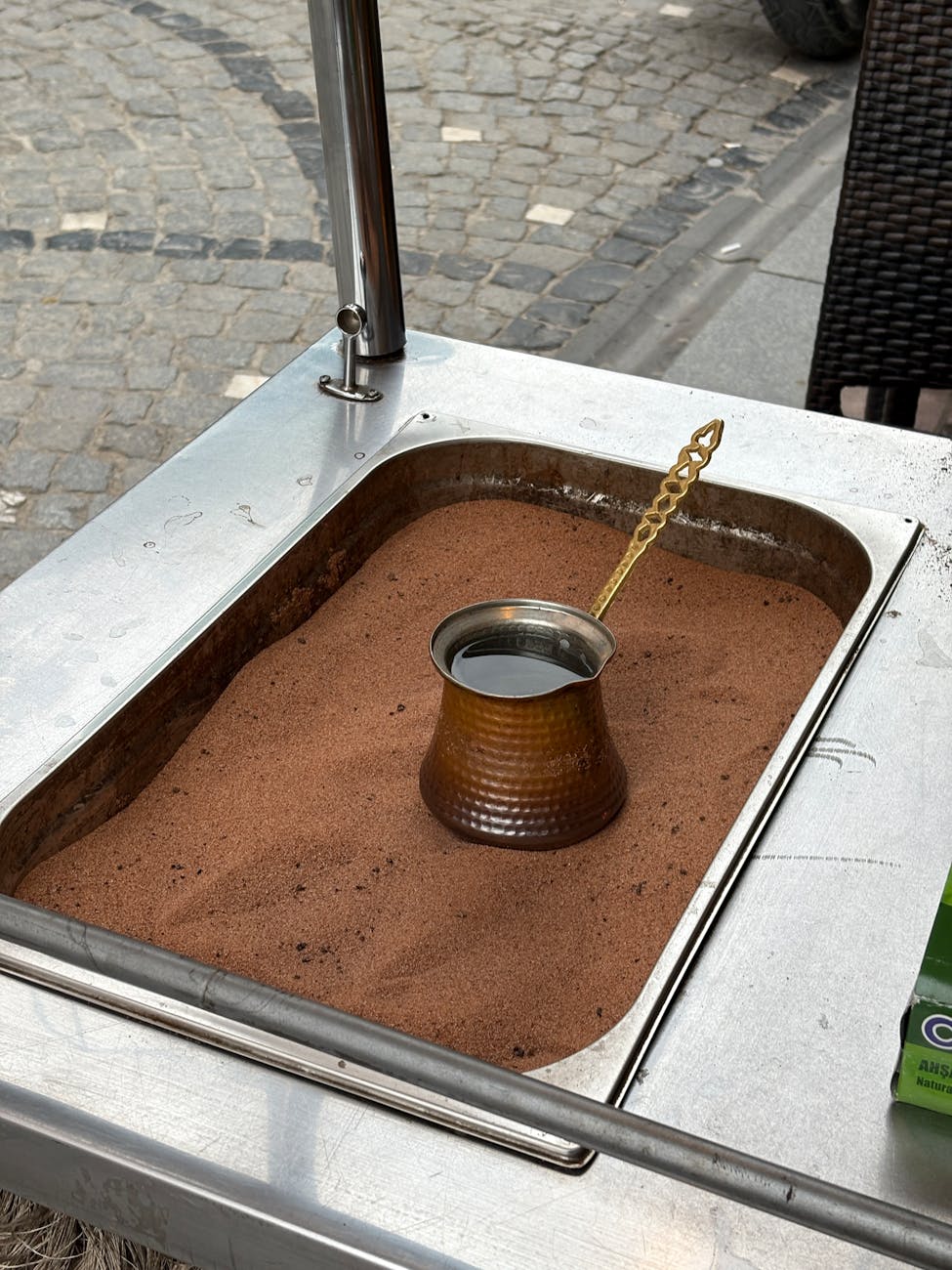
The ritual of brewing Turkish coffee is an intimate one, often performed for one or two people, transforming finely ground beans into a rich, velvety beverage. But what happens when you want to share this unique experience with a larger group of friends or family? Simply multiplying the ingredients doesn’t quite work; the process requires a nuanced approach to maintain the authentic flavor and, most importantly, the signature foam or köpük. Scaling a Turkish coffee recipe is an art that balances ratios, equipment, and technique. This guide will walk you through the essential steps to master brewing for multiple servings, ensuring every cup is as perfect as the first, preserving the tradition and delighting your guests with a truly authentic taste.
The foundational ratio: The key to consistency
Before you can scale up, you must understand the fundamental building block of any Turkish coffee recipe: the ratio. The magic lies in the precise balance between coffee, water, and sugar. The traditional measuring tool isn’t a standard cup or spoon but the very demitasse cup you will be serving in. This ensures perfect proportions every time.
For a single serving, the classic ratio is:
- Water: 1 demitasse cup of cold, filtered water.
- Coffee: 1 heaping teaspoon of extra-finely ground Turkish coffee.
- Sugar: This is adjusted to taste.
When scaling, you simply multiply this base. If you are making coffee for four people, you will use four demitasse cups of water and four heaping teaspoons of coffee. Maintaining this ratio is the first and most critical step. The same principle applies to sugar. You must decide on the sweetness level for the entire batch and multiply accordingly. The common levels are:
- Sade (plain): No sugar.
- Az şekerli (a little sweet): ½ teaspoon of sugar per cup.
- Orta (medium sweet): 1 teaspoon of sugar per cup.
- Şekerli (sweet): 2 teaspoons of sugar per cup.
For a medium-sweet batch for four, you would add four full teaspoons of sugar to the pot along with the coffee and water.
Choosing the right cezve for the job
Once you’ve calculated your ingredients, your attention must turn to your equipment. You cannot brew four servings of coffee in a cezve (or ibrik) designed for two. The size of your pot is paramount to success. A cezve that is too small will cause a disastrous boil-over, ruining the coffee and making a mess. A cezve that is too large can make it difficult for the foam to form properly, as the wide surface area disperses heat unevenly.
The golden rule is to fill your cezve no more than half to two-thirds full with the cold water and ingredients. This leaves ample room for the coffee to swell and the precious foam to rise without spilling over the rim. Cezves are sold by the number of demitasse cups they can hold, so if you plan to serve four people, you should use a 4-cup cezve or even a slightly larger one. The material also plays a role; traditional copper cezves are prized for their excellent heat conductivity, which becomes even more important when managing the larger volume of a scaled-up recipe. A copper pot ensures the heat is distributed evenly, preventing hot spots that can scorch the coffee.
Mastering the technique for larger batches
With the correct ratios and the right-sized cezve, the final piece of the puzzle is technique. Brewing a larger batch requires more patience and careful heat management than a single serving. Start by combining your water, coffee, and sugar in the cezve. Stir everything together thoroughly before placing it on the heat. This initial stir is your only chance; stirring after this point will destroy the forming foam.
Place the cezve over low to medium-low heat. A larger volume of liquid will take longer to heat up, so be patient. Rushing the process with high heat will boil the coffee instead of gently coaxing it to foam. As it heats, you will see a dark ring form around the edge, which will slowly grow into a thick layer of foam across the entire surface. This is the köpük, the most valued part of the coffee.
Here’s the most critical part for serving multiple people: distributing the foam. Just before the coffee reaches a boil (when the foam puffs up dramatically), remove the cezve from the heat. Using a small spoon, carefully scoop a portion of the foam into each of the waiting demitasse cups. Then, return the cezve to the heat for a few more seconds to bring it to a final gentle rise. Finally, pour the remaining coffee slowly and carefully into each cup, pouring down the side of the cup to avoid disturbing the foam you’ve already placed.
A practical scaling guide
To make the process easier, here is a simple chart to guide your measurements. Remember to use your demitasse serving cup as your water measure for the most authentic results. The coffee measurements are based on a standard, heaping teaspoon.
| Servings | Water (Demitasse Cups) | Coffee (Heaping Teaspoons) | Sugar for Orta (Teaspoons) | Recommended Cezve Size |
|---|---|---|---|---|
| 1 | 1 | 1 | 1 | 1-2 Cup |
| 2 | 2 | 2 | 2 | 2-3 Cup |
| 4 | 4 | 4 | 4 | 4-5 Cup |
| 6 | 6 | 6 | 6 | 6-8 Cup |
Note: Always ensure your cezve’s total volume is about double your water volume to prevent boiling over. Adjust sugar based on preference as outlined earlier.
Successfully scaling your Turkish coffee recipe is a rewarding skill that allows you to share a cherished tradition with others. It’s a process that goes beyond simple multiplication, requiring a thoughtful approach to the core principles of the brew. By strictly adhering to the coffee-to-water ratio, you create a consistent foundation. Selecting the appropriately sized cezve is crucial, as it provides the necessary space for the signature foam to develop without spilling. Finally, mastering a patient, low-heat technique and learning to properly distribute the foam ensures that every single guest receives a perfect cup. With these elements combined, you can confidently transform a simple coffee ritual into a memorable communal experience, proving that authentic Turkish coffee can indeed be enjoyed by many.


 No products in the cart.