

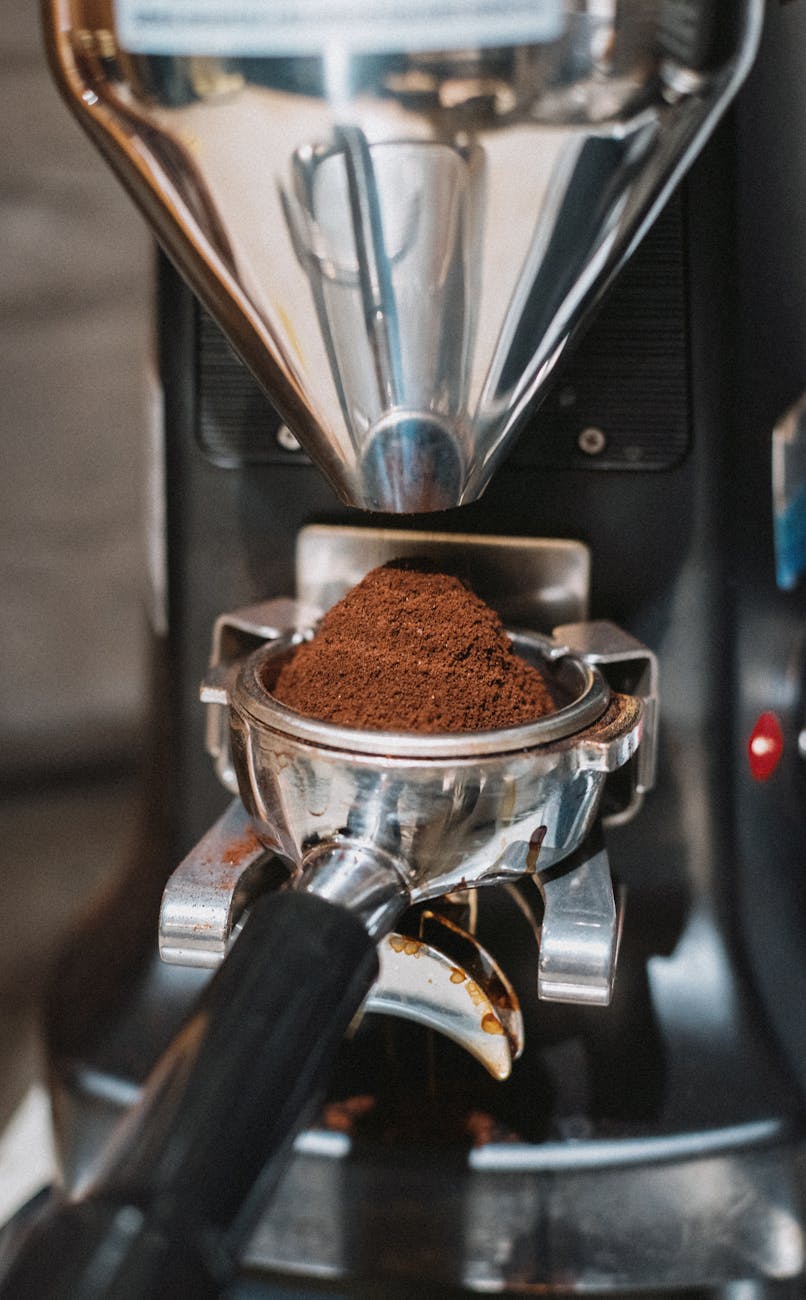
Stop wasting coffee: How to dial in your espresso grinder efficiently
There’s nothing quite like the taste of a perfectly extracted espresso shot. But for many home baristas, the journey to that perfect shot is paved with wasted coffee. Dialing in a new bag of beans often means a countertop littered with discarded pucks and a sink full of sour or bitter attempts. This process doesn’t just drain your precious coffee supply; it can be a source of genuine frustration. The good news is that it doesn’t have to be this way. By adopting a methodical and intelligent approach, you can significantly reduce the amount of coffee you waste when calibrating your grinder. This guide will walk you through a systematic process to minimize waste, save money, and get you to that delicious shot much faster.
Start with a solid foundation of consistency
Before you even touch the grind adjustment dial, you must control every other variable. The biggest source of waste comes from chasing a moving target. If your dose weight or tamping pressure changes with every shot, you’ll mistakenly blame the grinder for inconsistencies that aren’t its fault. The first step to reducing waste is to establish a rock-solid, repeatable routine for your puck preparation.
Start by choosing a recipe and sticking to it. A common starting point is a 1:2 ratio. For example:
- Dose: 18 grams of ground coffee in your basket.
- Yield: 36 grams of liquid espresso in your cup.
- Time: Aim for this to happen in about 25-30 seconds.
Use a scale with 0.1-gram accuracy to weigh your whole beans before you grind them and to weigh the liquid espresso as it extracts. This non-negotiable step removes all guesswork from your dose and yield. Once you’ve weighed your dose, focus on consistent distribution (using a WDT tool is highly recommended) and a level, repeatable tamp. By locking in these variables, you can be confident that any change in your shot’s timing and taste is a direct result of your grind size adjustment, which is exactly what you want.
Embrace the single dose dialing method
Many grinders have large hoppers designed to be filled with beans. While convenient for a busy café, this is an incredibly wasteful method for dialing in at home. The traditional approach involves adjusting the grinder, purging several grams of coffee to clear out the old grounds, grinding a new dose, and repeating. This purged coffee is pure waste. Instead, adopt the single dosing technique for your dialing-in process.
Single dosing is simple: you weigh the exact amount of beans needed for one shot (e.g., 18.0 grams), put them in the hopper of an empty grinder, and grind them all through. This eliminates the need to purge coffee between adjustments. When you decide to go finer, you simply weigh your next 18-gram dose and grind. The grounds that come out will be at the new, finer setting. This technique alone can cut your dialing-in waste by more than half. It also allows you to easily switch between different coffee beans without having to empty a full hopper.
For best results with single dosing, be mindful of static and retention. A quick spritz of water on the beans before grinding, a technique known as the Ross Droplet Technique (RDT), can dramatically reduce static and ensure all your grounds make it into the portafilter.
Make intelligent and methodical adjustments
With your puck prep consistent and your single dosing method in place, it’s time to pull a shot. The goal of your first shot is not to be perfect; it’s to gather data. Start with a grind setting that you think is in the right ballpark. Pull your shot, tracking the dose, yield, and time. Now, analyze the result. This is where you move from guessing to making informed decisions.
Let your shot’s time and taste be your guide. Don’t just dump a shot that runs too fast. Taste it. It will likely be sour and underdeveloped. This experience connects the taste of “sour” with the data of a “fast shot,” training your palate. The same goes for a slow, over-extracted shot, which will taste bitter and harsh. Make one small adjustment to the grinder at a time, moving in the direction you need to go.
Here’s a simple table to guide your adjustments:
| Observation (Shot Time) | Likely Taste Profile | Action Required |
|---|---|---|
| Too Fast (e.g., 18s for a 1:2 ratio) | Sour, acidic, thin, weak | Adjust grinder finer. This increases resistance, slowing the water flow. |
| Too Slow (e.g., 40s for a 1:2 ratio) | Bitter, harsh, burnt, astringent | Adjust grinder coarser. This reduces resistance, speeding up the water flow. |
| Just Right (e.g., 25-30s for a 1:2 ratio) | Balanced, sweet, complex | Lock it in! You have successfully dialed in your grinder. |
Remember to only change one thing at a time. Do not adjust your dose and your grind size simultaneously. By isolating the grind size as the only variable, you can dial in efficiently in just two or three shots.
Salvage your “mistakes” and use all your senses
Reducing waste isn’t just about using less coffee to get to the right setting; it’s also about finding a use for the coffee you do use along the way. A shot that isn’t good enough to drink on its own as a straight espresso might be perfectly delicious in another application. Instead of pouring your slightly-off shots down the drain, consider saving them.
An espresso shot that ran a little too fast and tastes sour can be balanced out beautifully by the fat and sugar in milk. Use these “failed” shots for a latte, cappuccino, or flat white. You’ll barely notice the imperfection. A shot that ran too slow and is a bit bitter can be great for an iced latte, where the cold temperature and dilution mellow out the harshness. You can also freeze these shots in an ice cube tray to use later for iced drinks or even in baking recipes like tiramisu or coffee-flavored cakes.
Finally, trust your senses beyond just taste and time. Watch the extraction. Does it start as beautiful, dark, syrupy drips, or does it gush out blond almost immediately? Are there signs of channeling (uneven extraction)? Observing these visual cues gives you more data to work with and helps you understand the connection between your prep, your grind size, and the final result in the cup.
Dialing in your espresso grinder is a fundamental skill for any coffee enthusiast, but it shouldn’t be a wasteful one. By prioritizing a consistent and repeatable workflow from the very beginning, you eliminate variables that can send you on a wild goose chase. Adopting the single dose method drastically cuts down on the coffee purged between adjustments, saving beans with every session. When you combine this with making small, methodical changes based on taste and data, the process becomes efficient and predictable. Finally, by finding creative uses for your less-than-perfect shots, you can bring your waste down to nearly zero. This structured approach not only saves you money but transforms a potentially frustrating task into a rewarding part of your coffee ritual.
 No products in the cart.