

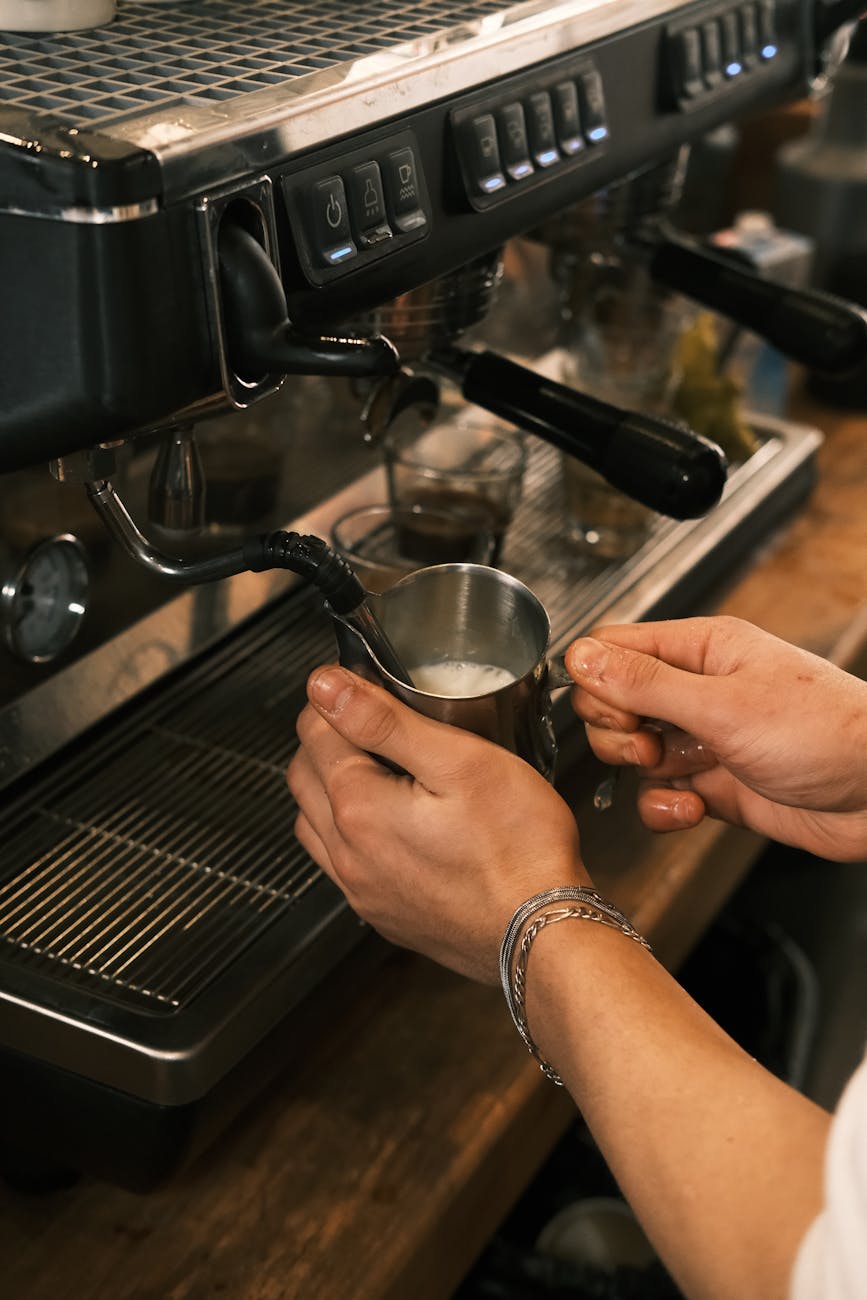
The Gaggia Classic is a legendary machine, a gateway for many into the world of authentic home espresso. While it can pull a fantastic shot, mastering milk steaming is often where new users stumble. The most common complaint? Watery, bubbly milk that refuses to transform into the silky microfoam needed for a beautiful latte or a rich cappuccino. This frustrating experience isn’t a flaw in the machine, but rather a misunderstanding of a crucial, yet simple, step. The secret lies not in technique alone, but in preparation. This article will guide you through the essential process of purging your Gaggia Classic’s steam wand, a ten-second action that is the single most important key to unlocking cafe-quality frothed milk in your own kitchen.
Why you must purge your steam wand
To understand why purging is non-negotiable, we need to look inside your Gaggia Classic. As the boiler heats up to create steam, a natural process occurs: condensation. Some of that powerful steam cools and turns back into hot water, collecting inside the steam wand and its internal pipes. If you immediately plunge the wand into your milk pitcher and open the valve, you are not injecting steam; you are first injecting a shot of hot, condensed water. This initial blast of water instantly raises the milk’s water content, diluting its fats and proteins. This makes it almost impossible to create the stable, velvety microfoam you’re aiming for. Instead, you get large, unstable bubbles that quickly separate, leaving you with thin, watery milk and a disappointing foamy cap.
Purging is the simple act of clearing out this trapped water before the wand ever touches the milk. By opening the steam valve for a few seconds, you force out the condensation, replacing it with the dry, powerful steam needed to properly texturize milk.
The step-by-step guide to purging the Gaggia Classic
This process is incredibly quick and should become an automatic part of your milk-steaming workflow. It takes less than 15 seconds but makes a world of difference. Follow these simple steps every single time you steam milk.
- Engage the steam mode. On your Gaggia Classic, flip the steam switch. The machine will now begin heating the boiler to steam temperature. Wait until the corresponding “ready” light illuminates.
- Prepare for the purge. Grab a dedicated cleaning cloth or an empty cup and hold it directly under the tip of the steam wand. Never purge an open steam wand without something to catch the hot water spray.
- Open the steam valve. Turn the steam knob on the side of the machine fully counter-clockwise. You will immediately see and hear a sputtering, wet spray of water being ejected from the wand. This is the condensation you want to remove.
- Wait for dry steam. Keep the valve open. After about 3 to 5 seconds, the sputtering will stop and transform into a powerful, consistent, and much quieter jet of dry steam. This is your signal that the wand is purged and ready.
- Close the valve and steam. Immediately close the steam knob. You now have a very short window to begin steaming your milk while the wand is full of dry steam. Submerge the tip into your milk pitcher and begin the texturing process.
The dramatic difference: Purged vs. unpurged steam
The immediate effects of purging are obvious not just in the final product, but in the process itself. An unpurged wand introduces chaos into the milk pitcher, while a purged wand gives you control. One leads to frustration, the other to consistent success and the ability to pour beautiful latte art. The initial sound and action of the steam entering the milk is your first clue. A wet, unpurged start creates loud, violent bubbling. A dry, purged start creates a gentle “tearing” or “kissing” sound as you incorporate air, followed by a quiet hum as you vortex the milk to create a silky texture.
This table clearly illustrates the benefits:
| Characteristic | Without Purging | With Purging |
| Initial Output | Sputtering, wet spray of hot water | Powerful, consistent jet of dry steam |
| Sound in Milk | Loud, aggressive bubbling and popping | Gentle hissing (‘stretching’) followed by a quiet hum (‘rolling’) |
| Final Milk Texture | Large, unstable bubbles. Thin, watery liquid underneath. | Silky, velvety microfoam. Paint-like consistency. |
| Latte Art Potential | Very low. Foam separates and ‘plops’ into the cup. | High. The smooth texture allows for controlled, detailed pours. |
Post-steaming purge and basic maintenance
Your purging routine shouldn’t end when you start steaming. A quick purge after you’ve finished is just as important for the health and hygiene of your machine. When you remove the wand from the milk, a small amount of milk is inevitably sucked back up into the steam tip due to the pressure change. If left there, this milk will cook, harden, and clog the steam holes, reducing performance and becoming a hygiene issue.
The post-steaming process is simple:
- Immediately after removing the wand from the milk, wipe it clean with a damp cloth to remove all external residue.
- With the cloth still over the wand, open the steam valve for 1-2 seconds. This will forcefully eject any milk that was drawn inside.
This two-step clean-up prevents clogs and ensures your machine is ready for its next use.
In conclusion, mastering your Gaggia Classic’s steam wand is not about complex techniques but about mastering a fundamental principle: always start with dry steam. The frustrating experience of watery, lifeless milk is a direct result of injecting condensed water into your pitcher. By adopting the simple, 10-second habit of purging the wand before steaming, you eliminate this problem entirely. This single action transforms the process from a game of chance into a controlled and repeatable skill. Combine this with a quick wipe and purge after you are done, and you will not only produce consistently beautiful microfoam for your lattes and cappuccinos but also maintain the health and performance of your beloved espresso machine for years to come.


 No products in the cart.