

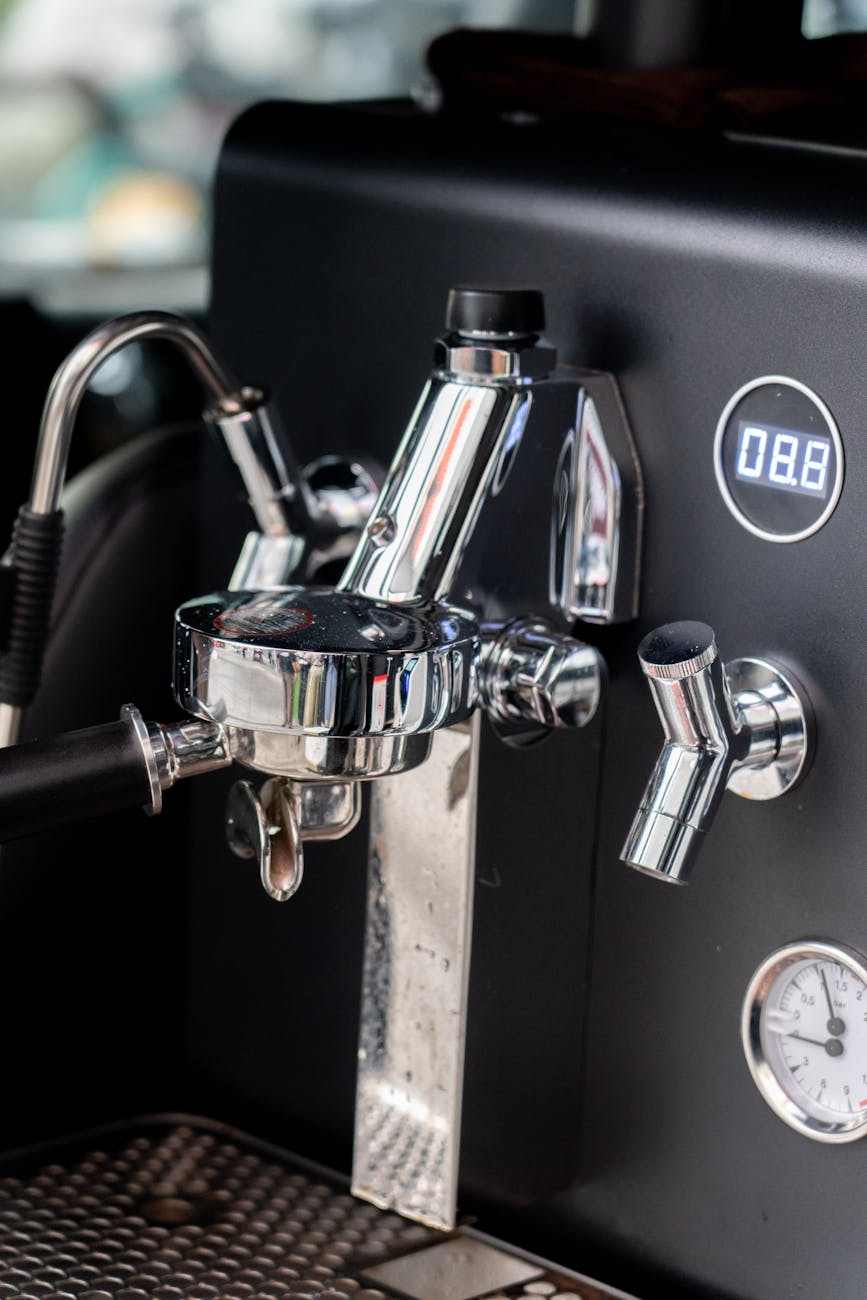
The Gaggia Classic is a legendary machine in the world of home espresso, celebrated for its robust build and potential to produce cafe-quality shots. However, new owners often struggle with one key variable: temperature stability. Due to its small, single-boiler design, the Classic is prone to temperature swings that can lead to inconsistent, and often disappointing, espresso. Achieving that perfect, repeatable shot isn’t about luck; it’s about control. This article will guide you through the essential techniques for properly pre-heating your Gaggia Classic. By mastering a consistent warm-up routine and understanding a technique called temperature surfing, you can tame the machine’s thermal behavior and unlock its true potential for consistently delicious espresso.
Why pre-heating is critical for the Gaggia Classic
To understand why a detailed pre-heating routine is so important, you first need to understand the Gaggia Classic’s design. At its heart is a small aluminum boiler and a simple bimetallic thermostat. Unlike more expensive machines with PID controllers that maintain a precise temperature, the Gaggia’s thermostat operates within a range, often called a “deadband.” This means the heating element only kicks on when the temperature drops to a certain low point and switches off when it reaches a high point. This creates a constant cycle of heating and cooling, resulting in significant temperature fluctuations in the brew water.
Furthermore, the machine features a heavy, commercial-style chrome-plated brass grouphead and portafilter. These components are excellent for maintaining thermal mass once hot, but they also act as a massive heat sink when cold. If you pull a shot without properly heating these parts, they will instantly cool down your brew water, leading to a sour, under-extracted shot, no matter how perfect your grind or tamp is. A proper pre-heating procedure isn’t just about warming the water in the boiler; it’s about heat-soaking the entire brew path to create a stable thermal environment for extraction.
The foundational warm-up routine
Simply waiting for the “ready” light to turn on is the most common mistake new users make. The light indicates the water in the boiler has reached temperature, but it says nothing about the grouphead or portafilter. A foundational routine is the first step toward consistency.
- Allow for a long warm-up. Turn on your machine a minimum of 15 to 20 minutes before you plan to pull your first shot. This extended time is necessary to allow heat to transfer from the boiler to the heavy brass grouphead.
- Keep the portafilter locked in. As soon as you turn the machine on, lock your empty portafilter into the grouphead. This ensures the portafilter heats up along with the rest of the machine, preventing it from stealing precious heat from your brew water later.
- Perform an initial flush. After the machine has warmed up for about 15 minutes, run the pump for 5-10 seconds with the portafilter in place. This flushes hot water through the system, warms up your cup, and helps stabilize the grouphead temperature just before you prepare to pull your shot.
Following these three simple steps will create a much more stable starting point than just waiting a few minutes for the light to appear. It ensures that every component your coffee will touch is thoroughly heated.
Mastering temperature surfing for precision
Temperature surfing is the act of timing your shot based on the boiler’s heating cycle to hit a more precise and repeatable brew temperature. Since the thermostat creates a temperature swing, surfing allows you to “catch the wave” at the same point every time. Here is a common and effective method for the Gaggia Classic:
- Step 1: Get the machine ready. Ensure your machine is fully warmed up using the foundational routine described above. Have your coffee ground and tamped in the portafilter, ready to go.
- Step 2: Trigger the heating cycle. With the machine idle and the ready light on, turn on the brew switch and let water run through the grouphead for a few seconds. You are intentionally introducing cooler water to force the thermostat to kick on the heating element. You’ll know it worked when the ready light turns off.
- Step 3: Wait and time your shot. Now, wait for the ready light to come back on. The moment it does, the boiler is at its hottest point in the cycle. Start a timer. The ideal brew temperature is typically a few seconds after the light comes back on, as the temperature starts to level off and slightly decrease. A great starting point is to lock in your portafilter and start your shot 10 seconds after the light turns on.
By consistently starting your shot at the same point in the heating cycle, you remove a major variable and gain control over your brew temperature.
A complete and repeatable workflow
Combining the foundational warm-up with temperature surfing gives you a complete, repeatable workflow for excellent espresso. A consistent process is the key to diagnosing any issues with your shots, as you will have eliminated temperature as a random variable. The table below outlines a sample workflow from start to finish.
| Time Marker | Action | Purpose |
|---|---|---|
| 0:00 | Turn on the machine. Lock in the empty portafilter. | Begins the critical process of heat-soaking all components. |
| 15:00 | Machine is now fully warmed up. | Ensures the boiler, grouphead, and portafilter are at a stable temperature. |
| 15:10 | Grind, distribute, and tamp your coffee into the portafilter. | Prepare your puck so you are ready to pull the shot immediately after surfing. |
| 15:20 | Purge water from the grouphead until the ready light turns off. | Triggers the heating cycle, giving you a consistent starting point for surfing. |
| ~16:00 | Ready light turns back on. Start a 10-second timer. | This marks the peak of the heating cycle. Waiting allows the temperature to settle into the ideal brew range. |
| ~16:10 | Quickly lock in your portafilter and start the extraction. | Pulls the shot at a consistent and optimal point in the temperature cycle. |
Mastering the Gaggia Classic is a journey of understanding its quirks and learning how to control them. Its primary challenge, temperature instability, is not an insurmountable flaw but a characteristic that can be managed with a proper routine. This article has shown that by committing to a thorough 15-20 minute warm-up with the portafilter locked in, you create a stable thermal foundation. Building on that, the technique of temperature surfing—timing your shot relative to the thermostat’s heating cycle—provides the precision needed for repeatability. This deliberate and consistent workflow is the secret to transforming your espresso from a game of chance into a reliable craft, allowing you to consistently produce rich, balanced, and delicious shots from your machine.
 No products in the cart.