

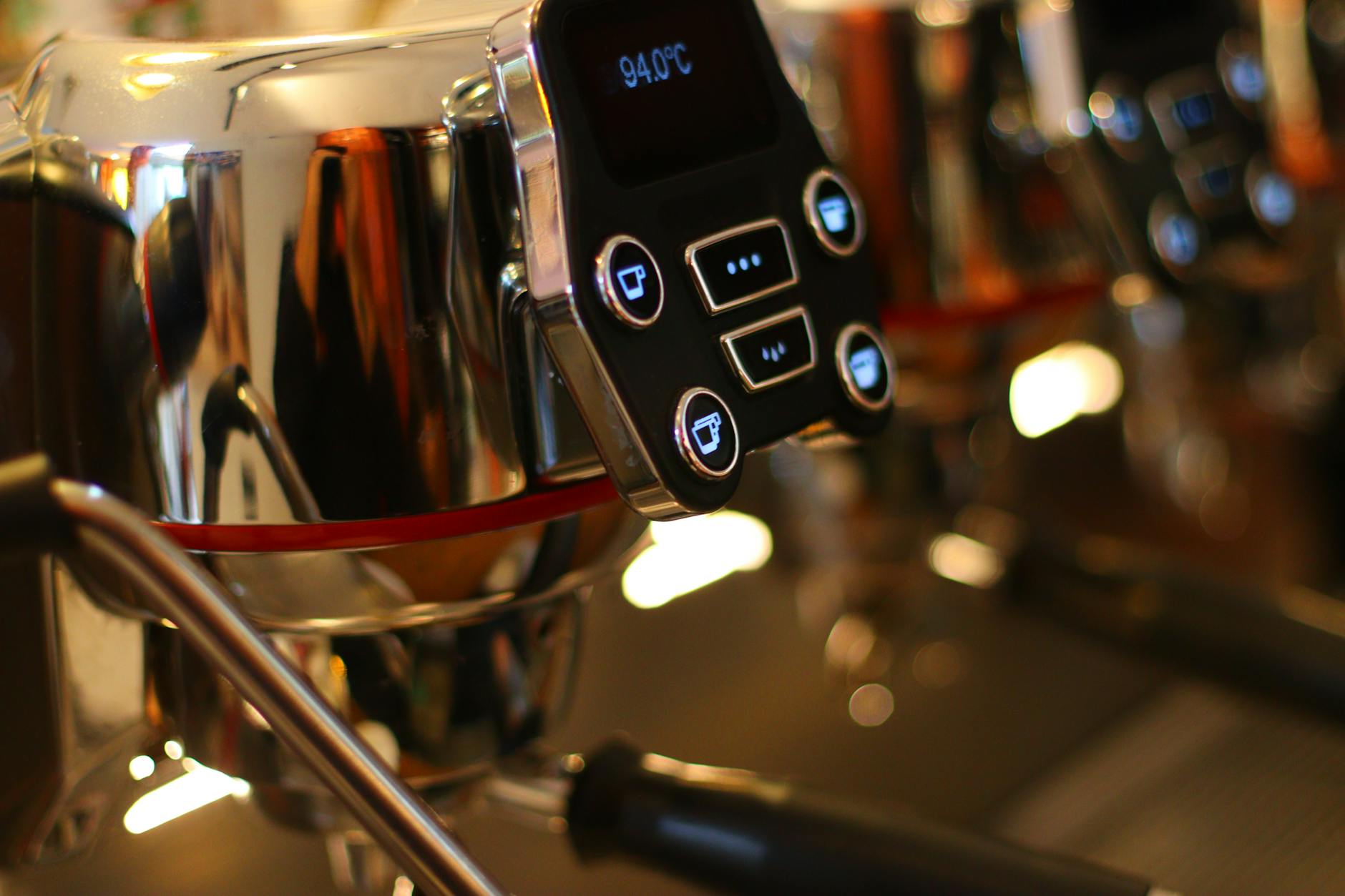
How to properly backflush an espresso machine using cleaning powder
As an espresso enthusiast, you invest time and resources into sourcing quality beans and perfecting your extraction technique. However, all that effort can be undone by a dirty machine. Over time, coffee oils, grounds, and mineral deposits build up inside your machine’s group head, leading to a rancid, bitter taste in your cup. The secret to consistently delicious espresso isn’t just in the puck prep; it’s in the maintenance. This is where backflushing comes in. This essential cleaning routine purges the internal pathways of your machine, specifically the group head and three-way solenoid valve. This guide will provide a comprehensive, step-by-step walkthrough on how to properly backflush your espresso machine using a specialized cleaning powder for a deep, restorative clean.
What is backflushing and why is it crucial?
Backflushing is a cleaning process unique to espresso machines equipped with a three-way solenoid valve. This valve is a critical component that relieves pressure from the group head after an extraction is complete, drying out the coffee puck and sending excess water to the drip tray. During a backflush, you use a special basket with no holes, called a blind basket, to block the flow of water. When you engage the pump, pressure builds up. When you stop the pump, the three-way valve opens, and this pressurized water (mixed with a cleaning agent) is forcefully discharged backwards through the group screen and internal pathways, flushing out trapped coffee grounds and oils.
Failing to backflush regularly has significant consequences:
- Poor taste: Old, rancid coffee oils are the number one enemy of good flavor. They impart bitter, burnt, and unpleasant notes to every shot you pull.
- Machine damage: A buildup of coffee grounds and oils can clog the delicate components of the three-way solenoid valve, leading to poor performance or costly repairs.
- Inconsistent extractions: A dirty group screen can cause uneven water distribution over your coffee puck, a phenomenon known as channeling, which results in a poorly extracted and unbalanced shot.
In short, backflushing isn’t an optional task; it’s fundamental to preserving the taste of your coffee and the health of your machine.
Gathering your tools for the job
Before you begin the process, it’s important to have the right tools on hand. The procedure is simple, but using the correct equipment is non-negotiable for doing it safely and effectively. You won’t need much, but each item has a specific purpose.
Here’s what you’ll need:
- A blind basket: This is a portafilter basket with no holes. It’s essential for building up the pressure needed to force water back through the system. Sometimes this is a full metal basket, and other times it’s a small rubber disc you place inside your regular double-shot basket. Both work well.
- Espresso machine cleaning powder: Use a detergent specifically formulated for this task, such as products from brands like Cafiza or Urnex. These powders are designed to break down and emulsify stubborn coffee oils without damaging your machine’s metal and rubber components. Do not use dish soap or other household cleaners.
- Your machine’s portafilter: You’ll use your standard portafilter to hold the blind basket.
- A group head brush: This is a small, angled brush used to scrub the group head gasket and shower screen to dislodge any loose grounds before you start.
- A soft cloth: For wiping down the portafilter and group head area.
The step-by-step backflushing guide
With your tools ready, you can now perform the chemical backflush. This process should take no more than 5 to 10 minutes. Follow these steps carefully for a thorough clean. For clarity, we’ll assume you are starting with a warm machine.
- Scrub and rinse: First, use your group head brush to scrub around the gasket and shower screen to remove any visible coffee grounds. Lock your portafilter with the blind basket into the group head and run the pump for 10 seconds. This is a preliminary rinse with plain water.
- Add the cleaning powder: Remove the portafilter. Add about 1/4 to 1/2 a teaspoon of the espresso machine cleaning powder into the blind basket. Be sure to consult the instructions on your specific cleaner, as amounts can vary.
- Engage the backflush cycle: Lock the portafilter firmly back into the group head. Engage the pump for 10 seconds. You will hear the pump strain slightly as pressure builds.
- Release and repeat: After 10 seconds, stop the pump. You will hear a “whoosh” sound as the machine releases the pressure and foamy, brownish water is discharged into the drip tray. This is the cleaning solution doing its job. Wait 10 seconds, and then repeat this on-and-off cycle four more times.
- The great rinse: After the final cycle with the cleaner, remove the portafilter. You’ll likely see dirty foam in the basket. Rinse it out thoroughly with hot water. Lock the clean, empty portafilter (with the blind basket still inside) back into the group head.
- Flush with plain water: Repeat the on-and-off cycle (10 seconds on, 10 seconds off) at least 5 to 10 times using only water. The goal here is to completely flush any residual detergent from the system. The discharged water should run clear by the end.
- Final seasoning shot: Remove the portafilter, replace the blind basket with your regular basket, and pull a shot of espresso. This is a “sacrificial shot” meant to be discarded. It helps re-season the group head with coffee oils and ensures there is no chemical aftertaste. Your machine is now clean and ready to go!
How often should you backflush your machine?
The ideal cleaning frequency depends heavily on your usage. A busy café has very different needs than a home user who pulls one or two shots a day. Sticking to a consistent schedule is the key to preventing significant buildup. A daily backflush with just water helps keep the pathways clear of loose grounds, while a chemical backflush is needed for the deep-seated oils.
Here is a simple table to guide your routine:
| Type of User | Water-Only Backflush | Chemical Backflush (with powder) |
|---|---|---|
| Home User (1-4 shots/day) | At the end of each day’s use | Every 1 to 2 weeks |
| Prosumer/Office (5-15 shots/day) | At the end of each day’s use | Once per week |
| Commercial Café (High volume) | Multiple times throughout the day | At the end of every day |
Remember: Consistency is more important than intensity. A quick, regular cleaning routine will always be more effective than a massive deep clean once every few months.
Conclusion
Properly maintaining your espresso machine is just as important as the quality of the beans you buy or the precision of your grinder. Backflushing with a dedicated cleaning powder is a simple yet powerful routine that directly impacts the flavor in your cup and the longevity of your equipment. By following the steps outlined above—gathering the right tools, performing the cleaning cycles correctly, and adhering to a regular schedule—you actively combat the buildup of rancid oils and coffee residue. This ensures that every shot of espresso you pull is as clean, sweet, and delicious as it was intended to be. Integrating this ten-minute task into your routine is a small investment of time that pays huge dividends in taste and machine performance.


 No products in the cart.