

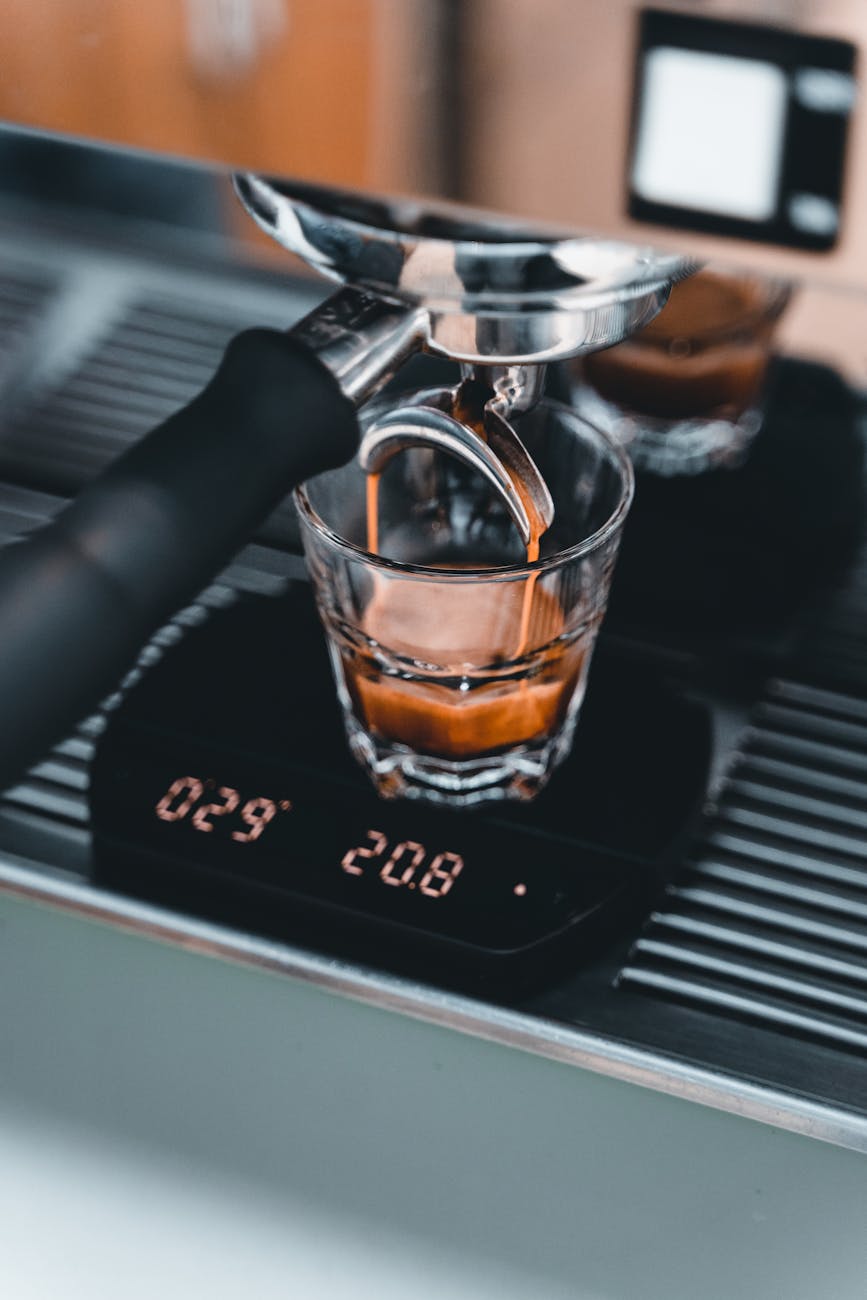
The Cafelat Robot is a marvel of simplicity and engineering, capable of producing truly exceptional espresso. However, if you’re a fan of bright, acidic, and complex light roast coffees, you may have encountered a common problem: sour, underdeveloped shots. This isn’t a flaw in the Robot, but rather a challenge of thermal management. Light roasts are denser and less soluble than their darker counterparts, demanding more heat to properly extract their delicate flavors. This article will serve as your comprehensive guide on how to effectively preheat your Cafelat Robot. We’ll explore why it’s so critical, what components to focus on, and a variety of methods to ensure your brew water stays hot, unlocking the full, vibrant potential of your favorite light roast beans.
Why preheating is crucial for light roasts
To understand the importance of preheating, we need to think about thermodynamics. The Cafelat Robot is constructed from solid stainless steel and aluminum, materials with significant thermal mass. When you pour boiling water into the basket, any cold metal it touches acts like a heat sink, instantly stealing energy and causing the water temperature to plummet. For a dark roast, which extracts easily at lower temperatures, this might not be a dealbreaker. But for a light roast, it’s the recipe for a failed shot.
Lightly roasted beans require a higher brew temperature, typically in the range of 94-97°C (201-207°F), to break down their complex cellular structures and extract the desirable sugars and nuanced flavor compounds. If the Robot’s piston and portafilter are at room temperature, they can easily drop your water temperature by 10-15°C. This drastic drop pushes the brew temperature well below the optimal range, resulting in under-extraction. The tell-tale sign of this is an espresso that tastes overwhelmingly sour and grassy, lacking the sweetness and body that balances its natural acidity. By preheating, you’re essentially “priming” the metal, ensuring it doesn’t rob your brew water of the thermal energy needed for a complete and delicious extraction.
Core components to focus on
While the entire Robot is made of metal, not all parts have the same impact on brew temperature. For an effective and efficient preheating routine, you should focus your efforts on the two components that come into direct contact with the brew water and have the most thermal mass. Getting these two parts hot is 80% of the battle.
- The Piston: This is the single most important component to preheat. It’s a heavy, solid piece of stainless steel that sits directly on top of the water. A cold piston will instantly cool the entire column of water before you even begin to press. Heating the piston ensures that your water temperature remains stable from the top down throughout the entire extraction process.
- The Portafilter and Basket: While smaller than the piston, the portafilter assembly (including the basket and dispersion screen) holds your coffee puck. Preheating it ensures that the brew water doesn’t lose heat as it passes through the grounds. It promotes a more even extraction from the very start, preventing the bottom of the puck from being exposed to significantly cooler temperatures than the top.
By focusing your energy on just these two parts, you can establish a quick, repeatable workflow that dramatically improves your light roast espresso without overcomplicating the process.
Effective preheating methods compared
There are several popular methods for getting heat into the Robot’s components. Each has its own benefits and drawbacks, and the best one for you will depend on your kitchen setup and workflow preferences. The key is to find a method you can perform consistently every time.
1. The steam preheat
This is arguably the most effective method for getting the components scorching hot. Simply place the piston (upside down) and the portafilter over the spout of a boiling electric kettle. The concentrated steam transfers a massive amount of thermal energy very quickly.
Pros: Extremely fast and efficient; gets parts hotter than other methods.
Cons: Requires a kettle with an appropriate spout; poses a minor burn risk from the steam, so caution is advised.
2. The hot water bath
A simple and safe alternative is to submerge the piston and portafilter in a mug or heat-proof bowl filled with boiling water. Let them sit for a minute or two while you prepare your coffee puck.
Pros: Very safe and easy; requires no special equipment.
Cons: Can be messy; you must thoroughly dry the basket before adding coffee grounds to avoid a soupy, uneven extraction.
3. The “dummy shot” flush
This method involves heating the Robot in its assembled state. Lock in the empty portafilter, fill the basket with boiling water, and press it through the machine into a cup. Repeating this once or twice will heat the entire water path.
Pros: Heats the entire assembly as it will be used.
Cons: Uses more water and time; may not get the piston as hot as direct steam heating.
To help you choose, here is a quick comparison table:
| Method | Effectiveness | Speed | Convenience |
|---|---|---|---|
| Steam Preheat | Very High | Fast | Moderate (kettle-dependent) |
| Hot Water Bath | High | Moderate | High |
| Dummy Shot Flush | Moderate | Slow | Low |
Tips for a perfect workflow
Mastering preheating is about integrating it seamlessly into your coffee-making ritual. The goal is to minimize the time between the components being hot, the water being added, and the extraction beginning. Always start by pouring boiling water directly from the kettle into the basket. Don’t worry about using off-boil water; the preheated metal will bring the temperature down to the perfect brewing range. Work quickly and efficiently. Have your coffee ground and your puck prepared while the components are heating. This ensures minimal heat loss before you pull the shot. Consistency is your greatest tool. Pick one preheating method and stick with it. By making your preheating routine a non-negotiable and repeatable step, you eliminate a major variable and can focus on fine-tuning other parameters like grind size and dose to dial in that perfect shot.
Tackling light roast espresso on a fully manual machine like the Cafelat Robot can seem daunting, but it is immensely rewarding. The secret lies not in complex techniques, but in diligent temperature control. As we’ve discussed, the Robot’s metal body is a heat sink that must be tamed, especially when dealing with dense, delicate beans. By understanding that preheating the piston and portafilter is non-negotiable, you prevent the tragic temperature drop that leads to sour, under-extracted shots. Whether you choose the intense heat of steam, the simplicity of a hot water bath, or the logic of a system flush, consistency is paramount. Integrating a solid preheating routine into your workflow is the single most impactful change you can make to transform your light roast espresso from disappointingly acidic to beautifully bright, sweet, and complex.
 No products in the cart.