

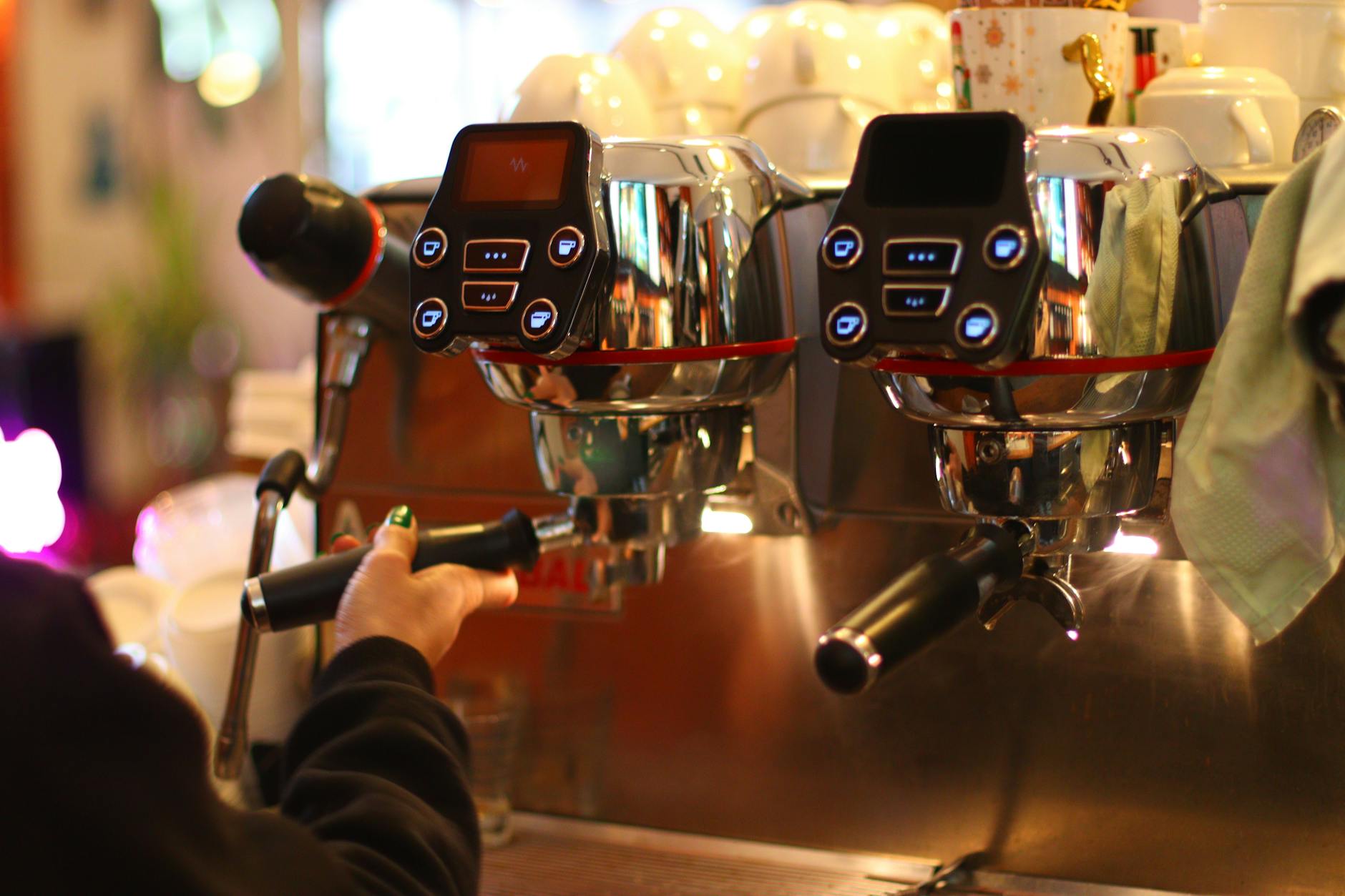
Have you unboxed your DeLonghi ECP3420, eager to pull a rich, syrupy espresso shot, only to be met with a sour, underwhelming cup? It’s a common frustration for many new home baristas. The culprit is often not your coffee beans or your grind size, but a simple, overlooked step: proper pre-heating. While the machine’s “OK” light tells you the boiler is hot, it doesn’t mean the entire system is ready to brew. Cold components like the group head and portafilter can drastically drop the water temperature, leading to a poorly extracted shot. This guide will walk you through why pre-heating is crucial and provide a step-by-step routine to unlock the true potential of your ECP3420.
Why temperature is everything in espresso
Espresso extraction is a delicate science, and temperature is the most critical variable. To properly extract all the desirable flavors, oils, and aromatics from your coffee grounds, the water needs to be at a stable temperature, typically between 195-205°F (90-96°C). When you turn on your DeLonghi ECP3420, the thermoblock heating element gets the water in the boiler up to temperature relatively quickly. However, the rest of the machine, particularly the heavy metal group head and the portafilter, remains at room temperature.
When you start your shot, the hot water leaves the boiler and immediately hits these cold metal parts. This contact can cause the water temperature to plummet by 10-20 degrees or more. This phenomenon is called temperature surfing, and it’s the enemy of good espresso. Water that is too cool will under-extract the coffee, resulting in a shot that tastes unpleasantly sour, thin, and lacks the rich crema and body you’re looking for. A proper pre-heating routine ensures every component in the water’s path is hot, maintaining thermal stability from the boiler to the cup.
The “ready” light lie: Standard warm-up vs. a proper pre-heat
A frequent mistake for beginners is to rely solely on the machine’s ready light. You turn the machine on, wait a minute or two for the green “OK” light to illuminate, and immediately pull your shot. Unfortunately, this light only indicates that the water inside the boiler has reached the target temperature. It tells you nothing about the temperature of the group head, the shower screen, or the portafilter you’re about to lock in.
Think of it like pre-heating an oven for baking. You wait for the oven to signal it’s at 400°F, but you wouldn’t put your baking sheet in cold. You want everything at a stable temperature. The same principle applies here. A standard warm-up is just turning the machine on. A proper pre-heating routine involves actively heating all the components that will come into contact with the brewing water, creating a thermally stable environment for a consistent and delicious extraction.
A step-by-step pre-heating routine for the ECP3420
This simple but effective routine will take your espresso from mediocre to magnificent. It only adds a few extra minutes to your workflow but pays huge dividends in flavor. Follow these steps every time you make coffee.
- Step 1: Initial power on. Turn your DeLonghi ECP3420 on. As soon as you do, immediately lock your empty portafilter (with the basket inside) into the group head. This allows the portafilter to absorb heat from the group head as the machine warms up.
- Step 2: Wait for the light. Wait for the green “OK” light to turn on. This typically takes a few minutes. Remember, this is just our starting point.
- Step 3: Run a blank shot. Place your espresso cup under the portafilter. Turn the dial to the espresso setting to run hot water through the empty portafilter and into your cup. Let it run for about 10-15 seconds. This single action accomplishes three things at once: it super-heats the portafilter and basket, it flushes the group head with hot water, and it warms your cup.
- Step 4: Wait and repeat (optional). After running the blank shot, the “OK” light will turn off as the machine heats the fresh water that entered the boiler. For maximum stability, wait for the light to come back on and run a second blank shot. For most daily brews, one is sufficient, but two is even better.
- Step 5: Dry and dose. Remove the now very hot portafilter. Quickly wipe the basket dry with a clean cloth, fill it with your freshly ground coffee, tamp, and lock it back into the group head. Immediately start brewing your shot. Don’t let the hot portafilter sit and cool down.
Comparing pre-heating methods
The difference in the final cup is not subtle. By investing a few minutes in pre-heating, you actively control the primary variable in your extraction. This leads to not only better-tasting espresso but also far more repeatable and consistent results day after day. A little bit of heat management makes all the difference.
| Pre-heat method | Expected shot taste | Crema quality | Consistency |
| None (cold portafilter) | Often sour, grassy, and thin-bodied. Lacks sweetness. | Pale, bubbly, and dissipates very quickly. | Very poor. |
| Standard (machine “OK” light only) | Better, but still prone to sour notes. Lacks depth. | Improved color, but may still be thin. | Inconsistent. |
| Thorough (with blank shots) | Balanced, sweet, with developed notes of chocolate or caramel. Full-bodied. | Rich, thick, reddish-brown, and long-lasting. | Excellent and repeatable. |
In conclusion, mastering your DeLonghi ECP3420 is less about complex techniques and more about mastering the fundamentals. Proper pre-heating is the single most impactful fundamental you can implement. As we’ve discussed, simply waiting for the “OK” light is not enough because it ignores the cold mass of the group head and portafilter, which robs your brew water of its essential heat. By adopting the simple routine of locking in the portafilter and running blank shots, you create a thermally stable environment. This ensures the water temperature remains consistent during extraction, allowing you to pull balanced, sweet, and rich espresso shots every single time. Don’t skip this step; it’s the bridge between a disappointing coffee and a truly satisfying café-quality experience at home.


 No products in the cart.