

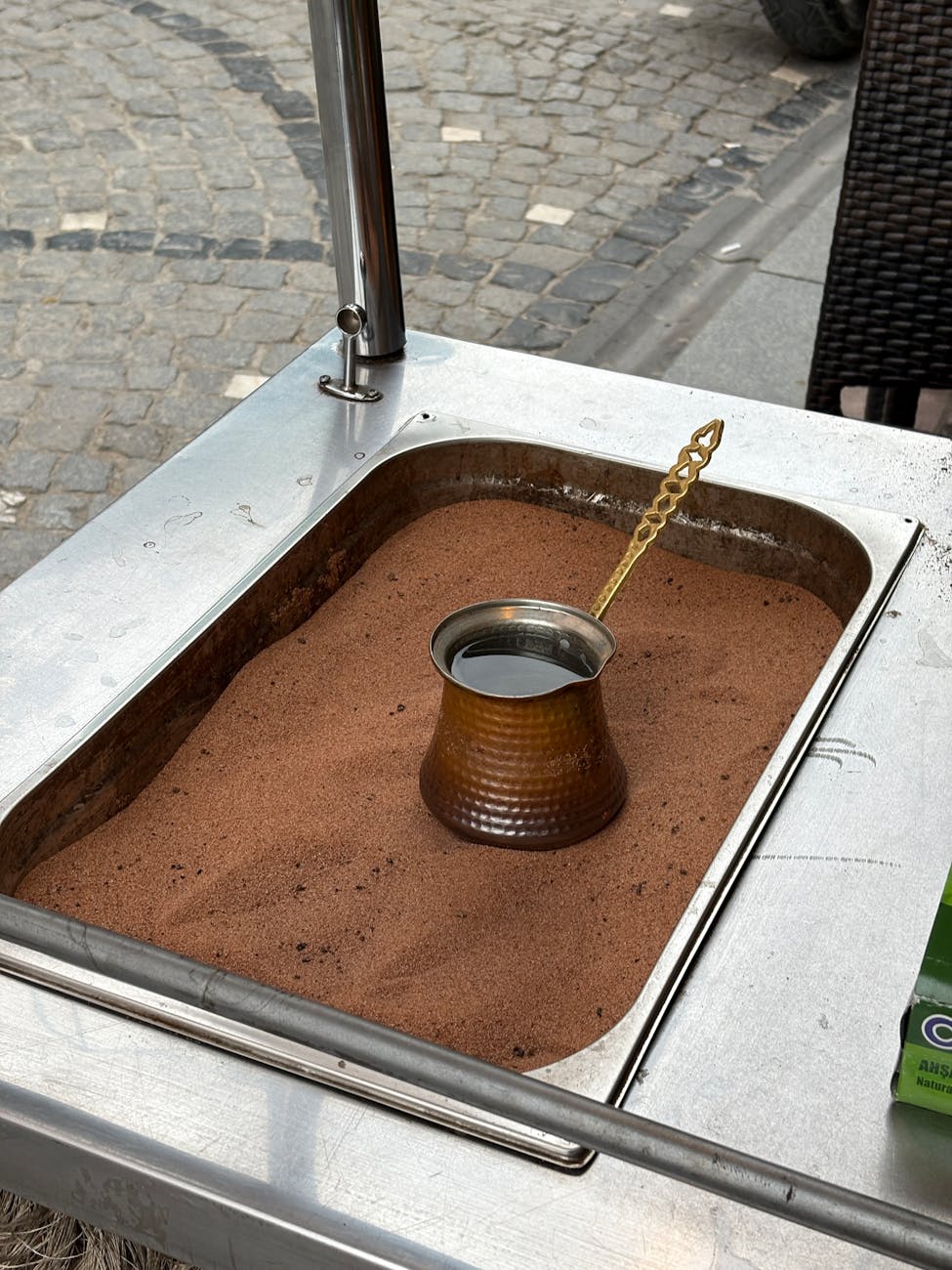
Turkish coffee is a timeless ritual, celebrated for its intense aroma, rich flavor, and the velvety foam that crowns the tiny cup. It’s an unfiltered brewing method, which means the presence of coffee grounds, or sediment, at the bottom of the cup is not a flaw but a feature. However, an excessive amount of grit floating throughout your brew can detract from this luxurious experience. This article is for the aficionado who appreciates the tradition but desires a smoother, cleaner sip. We will delve into the essential techniques, from the initial grind to the final, patient pour, that allow you to control and minimize sediment, ensuring that the “mud” stays exactly where it belongs: at the bottom of your cup.
The foundation: A perfect grind and quality coffee
The journey to a less gritty cup of Turkish coffee begins long before the water heats up. It starts with the coffee itself. The single most critical factor in managing sediment is the grind size. Turkish coffee requires the finest grind possible, even finer than espresso. The consistency should be like that of unsweetened cocoa powder or flour. When you rub it between your fingers, it should feel silky and leave no discernible graininess.
Why is this so important? A powder-fine, uniform grind has two main benefits:
- It allows for a quick and efficient extraction of flavor during the brief, low-temperature brewing process.
- The tiny, uniform particles are more likely to become saturated with water and settle evenly and compactly at the bottom of the cup after brewing.
Coarser or uneven grinds, often produced by blade grinders, contain larger particles that remain suspended in the liquid for longer, creating a gritty, unpleasant texture throughout the entire cup. For this reason, investing in a high-quality manual or electric burr grinder specifically designed for Turkish coffee is the best step you can take. While pre-ground Turkish coffee is convenient, grinding fresh, high-quality arabica beans right before you brew will always yield a more aromatic and controllable result.
Mastering the brewing technique
With the perfect, powdery grind in hand, your focus shifts to the brewing process in the cezve (or ibrik). The technique here is a delicate dance of temperature and timing, designed to build the signature foam while encouraging the grounds to begin their journey downward.
First, combine your coffee powder, cold filtered water, and sugar (if desired) in the cezve. Now is the only time you should stir. Mix thoroughly until the coffee is fully saturated and any clumps are gone. Once you place the cezve on the heat, your spoon’s job is done. Stirring during the heating process agitates the grounds, preventing them from settling and incorporating them into the foam, which you want to be as clean as possible.
The next key is slow and low heat. Rushing the brew with high heat will cause a violent boil, churning the grounds and creating a bitter, muddy coffee. Instead, use low heat to gently bring the coffee to the point where a thick foam (kaymak) begins to form and rise. Just before it spills over, remove the cezve from the heat. Some traditions call for repeating this process two or three times. This gentle heating and rising action helps extract flavor without disturbing the grounds too much, setting the stage for a successful separation.
The art of the pour and the patience of the sip
You’ve ground your beans to a fine powder and brewed your coffee with gentle precision. The final steps are just as crucial for ensuring the sediment settles properly in the cup. After the final foam has risen, you can let the cezve sit for about 20-30 seconds off the heat. This brief pause allows the larger particles to begin sinking to the bottom of the pot.
When you pour, do it slowly and steadily. Tip the cezve gently and let the coffee run down the inside wall of your demitasse cup. Avoid “dumping” it into the center, as this turbulence will stir everything up again. The goal is to transfer the liquid and the foam while leaving the densest layer of grounds behind in the cezve.
Once poured, the most important virtue is patience. You must let the coffee rest for at least one to two minutes before taking your first sip. During this time, gravity works its magic, pulling the suspended coffee particles down to form a compact layer at the bottom. Sipping too soon is the most common mistake and guarantees a mouthful of grit. Drink slowly, without swirling the cup, and stop when you have about a quarter of the liquid left. That final layer is the “fortune,” and it is meant to be left behind.
Common mistakes that increase sediment
Even with the best intentions, small missteps can lead to a gritty cup. Understanding these common errors can help you troubleshoot your technique. Some purists even advocate for adding a single teaspoon of cold water to the cezve after brewing and before pouring; the theory is that the temperature shock helps the grounds clump together and sink more rapidly. While not strictly traditional everywhere, it can be an effective trick. Here are the most frequent mistakes to avoid:
| Mistake | Why it causes sediment |
|---|---|
| Using a blade grinder or an espresso grind | The coffee particles are too large and uneven, so they float in the liquid instead of settling. |
| Stirring the coffee while it’s heating | This creates a vortex that keeps the grounds suspended and prevents them from separating from the water. |
| Using high heat for a rapid boil | A rolling boil violently churns the grounds, mixing them throughout the brew and making it impossible for them to settle. |
| Pouring too quickly or carelessly | A fast, turbulent pour remixes the grounds that have started to settle in the cezve. |
| Drinking immediately after pouring | The grounds have not had sufficient time (1-2 minutes) to settle at the bottom of the cup via gravity. |
In conclusion, while Turkish coffee will always have sediment by its very nature, you have significant control over how much of it interferes with your enjoyment. It is not about total elimination but skillful management. The secret lies in a holistic approach: start with an exceptionally fine, powder-like grind from a quality burr grinder, use a gentle, no-stir brewing technique over low heat, and finish with a slow, deliberate pour. The final, and perhaps most crucial, step is allowing the coffee to rest in the cup, giving the grounds time to settle. By mastering these interconnected steps, you transform the coffee-making process into a true art form, resulting in a cup that is rich, aromatic, and perfectly smooth to the last intended sip.



 No products in the cart.