

Stealth espresso: How to minimize noise during your morning routine
The aroma of freshly ground coffee, the rich sight of a perfect crema forming—these are the joys that make an early morning espresso routine a cherished ritual. However, this ritual often comes with a soundtrack that’s less than serene. The high-pitched whine of a grinder, the juddering roar of a pump, and the sharp clangs of metal on metal can quickly turn your peaceful moment into a household disturbance. If you’re tired of being the unofficial alarm clock for your family or roommates, you’re in the right place. This guide is dedicated to transforming your noisy coffee-making process into a quiet, stealthy operation, ensuring your first cup of the day is brewed in blissful peace.
Taming the grinder: Your first line of defense
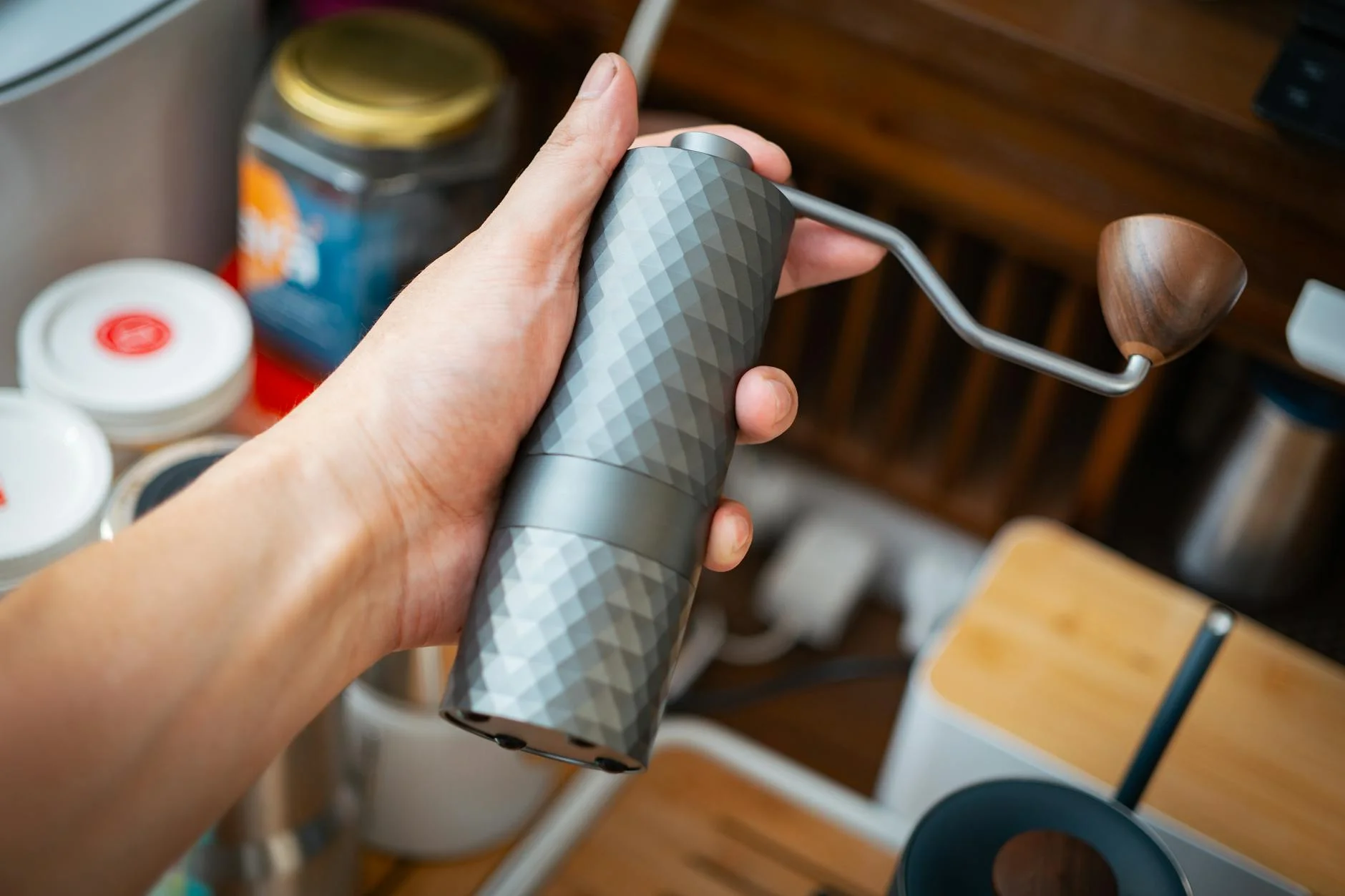
The single loudest component in most espresso setups is the coffee grinder. The violent act of shattering beans into fine particles at high speed is inherently noisy. But you have options. The most effective way to eliminate this noise is to switch to a high-quality manual hand grinder. These grinders offer exceptional control and grind consistency, rivaling electric models that cost many times more. The only sounds you’ll hear are the gentle crunching of beans and the soft whir of the handle, a process that many find meditative. It requires a few minutes of physical effort, but the trade-off is near-total silence.
If manual grinding isn’t for you, look for electric grinders specifically designed for low-noise operation. These often feature:
- DC motors, which run quieter and more smoothly than their AC counterparts.
- Slower RPM (revolutions per minute) burrs that crush beans more gently.
- Insulated bodies or heavy-duty construction to absorb vibrations.
A simple but effective trick for any electric grinder is to place it on a thick rubber tamping mat or a folded dish towel. This will absorb a significant amount of the vibration that transfers to your countertop, dampening the overall noise level.
Choosing and using a quieter espresso machine
Once the beans are ground, the espresso machine takes center stage. The primary source of noise here is the pump, which forces water through the coffee puck at high pressure. Most home machines use a vibratory pump, which works by rapidly oscillating a piston with an electromagnet. This design is cost-effective but creates a loud, resonant buzzing sound.
For a truly significant noise reduction, the gold standard is a machine with a rotary pump. These are the same pumps used in commercial cafe machines. They use a motor to rotate a vaned disc, creating a smooth, consistent pressure with a much lower, quieter hum. While machines with rotary pumps represent a higher investment, the difference in sound is dramatic. As with the grinder, placing any machine on a vibration-dampening mat will help muffle the pump’s operational noise, regardless of its type.
Silencing the small stuff: Your workflow and accessories
The big machines often get the blame, but your technique and accessories contribute significantly to the morning cacophony. Think about the sharp thwack of tapping the portafilter to settle the grounds or the loud bang of hitting a knock box. These noises can be easily eliminated.
Instead of tapping the portafilter, use a Weiss Distribution Technique (WDT) tool to break up clumps and distribute the grounds evenly. It’s a silent and more effective method. When it’s time to discard the used coffee puck, forgo the knock box. Gently scoop the puck out with a spoon or rinse the portafilter directly into a sink strainer. If a knock box is a must-have, choose one with a heavily dampened rubber bar to absorb the impact. Even the hiss of steaming milk can be tamed. The loud screeching sound often happens when the steam wand tip is too close to the surface of the milk. By properly submerging the tip just below the surface, you can create a quiet, gentle vortex to texture your milk perfectly.
A comparative look at quiet coffee gear
Making your espresso routine quieter involves a series of choices, each with different impacts on cost, effort, and sound level. Understanding these trade-offs can help you decide where to focus your efforts. A manual grinder provides the biggest noise reduction for the lowest cost, while a rotary pump machine is a significant investment for those who prioritize a truly peaceful brewing experience. The table below breaks down the common noise sources and their quieter alternatives.
| Noise Source | Standard (Loud) Method | Quiet Alternative(s) |
|---|---|---|
| Bean Grinding | Electric blade or standard burr grinder | Manual hand grinder; Quiet-focused electric grinder on a mat |
| Machine Pump | Vibratory pump on a hard surface | Rotary pump; Any machine on a rubber dampening mat |
| Grounds Distribution | Tapping the portafilter on the counter | Using a WDT tool or a distribution tool |
| Puck Removal | Banging on a standard knock box | Rinsing puck out; Gently scooping with a spoon; Dampened knock box |
| Milk Steaming | Improper technique causing screeching | Proper technique (submerging steam wand tip correctly) |
Achieving your peaceful morning ritual
Creating a quiet morning espresso routine doesn’t require you to sacrifice the quality of your coffee. It’s about being mindful of each step and making smarter choices in gear and technique. By tackling the biggest offender—the grinder—through a manual option or a sound-dampened electric model, you’ve already won half the battle. From there, understanding the difference in machine pumps and modifying your workflow to eliminate the small taps and bangs will get you the rest of the way. These changes, whether small or large, compound to create a significantly more peaceful experience. Ultimately, you can have it all: a delicious, perfectly extracted espresso and the quiet, calm morning you deserve.

 No products in the cart.