

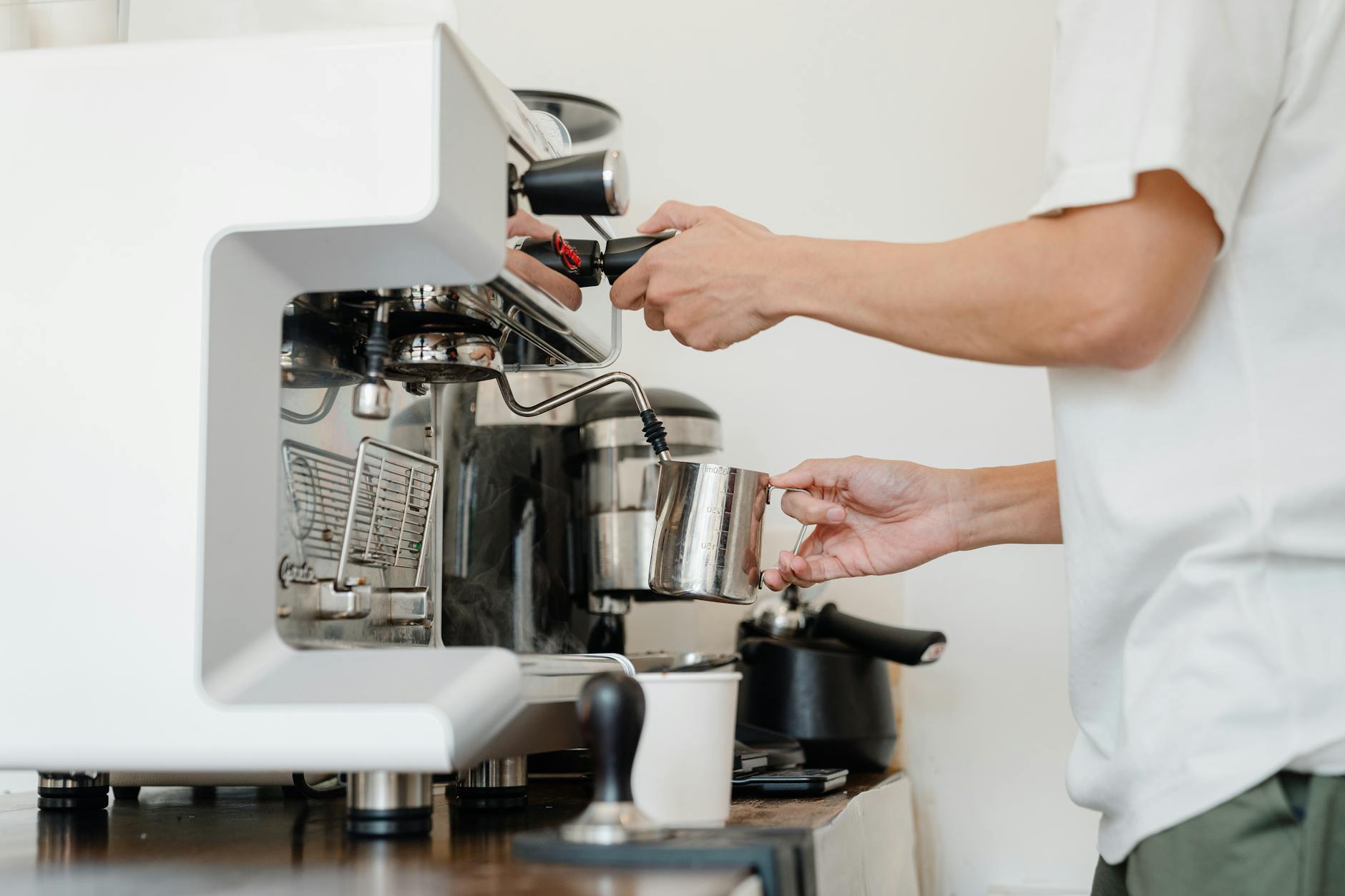
How to manage steam pressure for better microfoam on the Gaggia Classic
The Gaggia Classic is a legend in the world of home espresso, celebrated for its robust build and ability to pull fantastic shots. However, many new owners quickly discover that achieving silky, latte art-worthy microfoam can be a challenge. The machine’s steam power can feel inconsistent, fluctuating between a powerful jet and a weak hiss. This isn’t a flaw, but rather a characteristic of its single boiler design. This article will guide you through the essential techniques for managing the Gaggia Classic’s steam pressure. We will delve into understanding its heating cycle, mastering the art of temperature surfing, and optimizing your setup to transform your milk steaming from a frustrating guesswork game into a consistent, rewarding process.
Understanding the Gaggia Classic’s steam system
To control the steam, you first need to understand how the Gaggia Classic works. It operates with a single, small boiler responsible for heating water for both brewing espresso and producing steam. A simple thermostat controls the heating element, turning it on and off to maintain a temperature range for each function. When you flip the steam switch, the thermostat aims for a much higher temperature (around 145°C or 293°F) compared to brewing.
The key concept to grasp is the thermostat’s deadband. It doesn’t keep the boiler at a precise temperature. Instead, it allows the temperature to drift within a range. The heating element kicks on when the temperature drops to the bottom of this range and switches off when it reaches the top. This cycle is what causes the steam pressure to feel so inconsistent. If you start steaming just as the heating element has turned off (indicated by the ready light turning on), you are using stored heat, and the pressure will rapidly decrease. The secret is to start steaming while the heating element is actively on, providing maximum and continuous power.
The technique of temperature surfing for steam
Temperature surfing is the most effective method for getting powerful, consistent steam from your Gaggia Classic. It’s a simple process of manipulating the machine’s heating cycle to your advantage. By following these steps, you can ensure you are always steaming at the peak of the machine’s power curve.
- Step 1: Engage the steam mode. Flip the steam switch on. The orange “ready” light next to the switch will turn off as the boiler begins to heat up to steam temperature.
- Step 2: Wait for the ready light. Be patient and wait for the boiler to reach its target temperature. The ready light will turn back on. This is the signal to begin the process, not to start steaming. At this point, the heating element has just switched off.
- Step 3: Purge the steam wand. Immediately after the light comes on, open the steam valve for 2-3 seconds to purge any condensed water from the wand. This blast of steam also causes a rapid temperature drop inside the boiler, tricking the thermostat into turning the heating element back on. The ready light will turn off again.
- Step 4: The waiting game. This is the most crucial step. After purging, wait about 5-10 seconds. During this short window, the heating element is working at full capacity to bring the boiler back up to temperature. This is your sweet spot for maximum steam pressure.
- Step 5: Start steaming. Insert your steam wand into your milk pitcher and open the valve fully. You should now have strong, consistent steam pressure to properly stretch and texture your milk for perfect microfoam.
Optimizing your setup for superior microfoam
While managing steam pressure is critical, your equipment and ingredients play an equally important role. Combining the right technique with the right tools will elevate your milk-based drinks from good to great.
First and foremost, consider upgrading the steam wand. The stock Gaggia Classic often comes with a panarello wand, which is designed to be forgiving by injecting large amounts of air, creating stiff, bubbly foam. For true microfoam, replace it with a single-hole professional steam wand, such as the popular Rancilio Silvia steam wand mod. This upgrade gives you precise control over aeration, allowing you to create the silky, velvety texture required for latte art.
Your choice of milk and pitcher also matters. For the best results, use cold, fresh whole milk. The fat and protein content in whole milk provides stability and a rich flavor, while the cold temperature gives you more time to texture the milk before it gets too hot. Use a stainless steel pitcher that is appropriately sized for the amount of milk you’re steaming—you should only fill it to just below the base of the spout. A cold pitcher, straight from the fridge or rinsed with cold water, will buy you even more valuable steaming time.
A comparative look at steaming techniques
To truly appreciate the value of temperature surfing, it helps to see how it stacks up against other, less effective approaches. Many users, unaware of the heating cycle, simply wait for the light and begin steaming, while others steam at random times. The results vary dramatically. The table below illustrates the differences in pressure, final foam quality, and overall difficulty between these methods. It clearly shows why taking a few extra seconds to “surf” the temperature yields a far superior and more consistent result.
| Technique | Steam Pressure | Resulting Foam Quality | Difficulty Level |
|---|---|---|---|
| Random Steaming (No specific timing) | Inconsistent and unpredictable | Unreliable; often bubbly or under-aerated | Easy but ineffective |
| Steaming on Light-On (Steaming when ready light appears) | Strong initially, but drops off quickly | Can start well but often fails to create a vortex | Easy |
| Temperature Surfing (Purge and wait method) | High, dry, and consistent throughout | Silky, glossy microfoam ideal for latte art | Medium (requires practice and timing) |
Mastering the Gaggia Classic is a journey, and controlling its steam is a significant milestone. While simply flipping the switch might occasionally yield a decent result, the temperature surfing method provides the consistency needed to hone your skills. By understanding and working with the machine’s single boiler system, rather than fighting against it, you unlock its true potential. Paired with a simple steam wand upgrade and good basic practices, this technique will allow you to reliably produce cafe-quality microfoam at home. It takes a bit of practice to get the timing right, but the reward—a perfectly crafted cappuccino or latte with your own art on top—is well worth the effort.

 No products in the cart.