

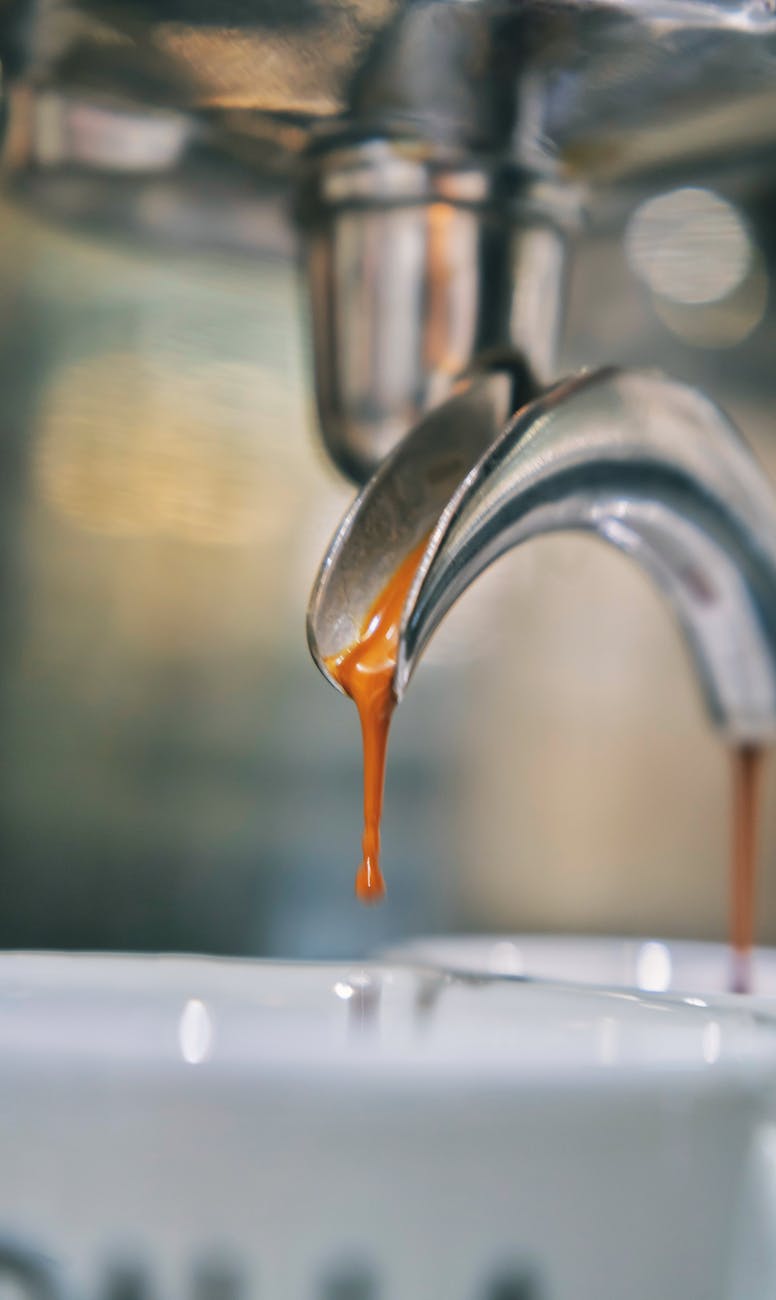
The quest for the perfect shot of espresso is a journey filled with variables. We obsess over the freshness of the beans, the precision of the grind, and the tamping pressure, but often overlook the most abundant ingredient: water. Making up over 98% of your final drink, water is not just a carrier of flavor; it is a critical component that can make or break your coffee’s taste and your machine’s health. Your espresso machine’s water filtration system is the unsung hero that stands between your tap water and a sublime espresso. Neglecting it can lead to scale buildup, costly repairs, and a bitter, unpleasant taste in your cup. This guide will walk you through everything you need to know about maintaining this vital system.
Why water quality is crucial for your coffee and machine
Before diving into maintenance, it’s essential to understand what your filter is protecting your machine from. Tap water contains a variety of minerals and chemicals. The two biggest concerns for an espresso machine owner are mineral content (hardness) and chlorine.
Water hardness refers to the amount of dissolved calcium and magnesium. When hard water is heated, these minerals precipitate out and form limescale—a hard, chalky deposit. This scale acts as an insulator on heating elements, forcing them to work harder and eventually fail. It can also clog the machine’s narrow tubes and valves, restricting water flow and reducing pressure. While some mineral content is desirable for a balanced flavor extraction, too much is the number one enemy of an espresso machine.
Chlorine, on the other hand, is added to municipal water to kill bacteria. While it makes water safe to drink, its chemical taste and odor can easily overwhelm the delicate aromatics of a quality coffee bean, resulting in a flat or “off” tasting shot. A good filtration system addresses both of these issues, creating water that is ideal for both your palate and your machine’s internal components.
Identifying and understanding your filter type
Espresso machine filtration systems aren’t one-size-fits-all. The type of system your machine uses will dictate your specific maintenance routine. Broadly, they fall into three categories:
- In-tank cartridge filters: These are the most common type in home and prosumer machines. They are small, disposable cartridges that sit inside the water reservoir, often clicking into a dedicated holder. They typically use a combination of activated carbon to remove chlorine and odors, and an ion-exchange resin to soften the water by swapping calcium and magnesium ions for sodium ions.
- In-tank softener pouches: These are small, pillow-like pouches filled with ion-exchange resin that you simply drop into the water tank. They are primarily designed for water softening and are often rechargeable, offering a more economical and environmentally friendly option than disposable cartridges.
- Plumbed-in filtration systems: For machines connected directly to a water line, an external filtration system is used. These are typically larger, more robust systems featuring multi-stage filters that can last much longer and provide a higher degree of filtration.
To determine your system, check your machine’s manual or simply look inside the water tank. A cartridge will be a rigid plastic unit, while a softener is a flexible pouch. If your machine has no water tank and connects to the wall, you have a plumbed-in system.
Your step-by-step maintenance schedule
Regular maintenance is simple but non-negotiable. Procrastination here can lead to expensive damage down the line. Your goal is to ensure the filter’s media—whether it’s resin or carbon—is always active and effective.
For in-tank cartridge filters, the process is one of replacement. Always follow the manufacturer’s instructions, which typically recommend replacing the filter every two months or after a specific volume of water has passed through it (e.g., 50 liters). When installing a new filter, it’s crucial to first activate it by soaking it in water for about 5-10 minutes and then rinsing it to remove any loose particles.
For in-tank softener pouches, you have two options: regeneration or replacement. To regenerate the pouch, you create a simple saltwater solution (using non-iodized salt) and soak the pouch in it overnight. This process reverses the ion-exchange, flushing out the captured calcium and magnesium and “recharging” the resin with sodium. While you can regenerate a pouch many times, its effectiveness will diminish over time, and it should be fully replaced every 6 to 12 months.
For plumbed-in systems, maintenance involves replacing the large filter cartridges. The schedule for this is much longer, typically every 6 to 12 months, but depends heavily on your water quality and usage. After installing a new cartridge, always flush several liters of water through the system to clear out any air and fine carbon particles before they can enter your machine.
| Filter type | Key action | Frequency | Notes |
|---|---|---|---|
| In-tank cartridge filter | Replace | Every 2-3 months | Always activate new filter by soaking and rinsing. |
| In-tank softener pouch | Regenerate | Every 1-2 months | Replace the pouch entirely every 6-12 months. |
| Plumbed-in system | Replace cartridge | Every 6-12 months | Flush the system with several liters of water after replacement. |
Consequences of neglect and signs of a failing filter
What happens if you forget to maintain your filter? The consequences range from poor taste to catastrophic machine failure. An expired filter stops softening water, allowing limescale to form inside the boiler, heating elements, and pipes. The first sign is often a decrease in performance: your machine might struggle to reach temperature, or your steam wand might seem less powerful. Over time, this can lead to total blockages and a machine that needs a serious, and often very expensive, professional descaling service.
Pay attention to the signs your machine and your coffee are giving you:
- Taste changes: If your espresso starts tasting unusually bitter, metallic, or just dull, an exhausted filter could be the culprit.
- Visible scale: If you notice a white, chalky film building up around the group head or on the tip of the steam wand faster than usual, your softener is no longer working.
- Machine alerts: Some modern machines have a built-in timer or flow meter that will alert you when it’s time to change the filter. Do not ignore these warnings.
Remember, many manufacturers state that damage caused by limescale is not covered under warranty, making this simple maintenance step a crucial part of protecting your investment.
In conclusion, maintaining your espresso machine’s water filtration system is as vital as using high-quality beans. It is a proactive measure that directly impacts both the quality of your coffee and the longevity of your machine. By understanding that water is a key ingredient, you can appreciate the filter’s role in optimizing it. The process is straightforward: identify your filter type, adhere to a regular schedule of replacement or regeneration, and remain vigilant for signs of failure. A few minutes dedicated to this task every couple of months will prevent the devastating effects of limescale, save you from costly repairs, and ensure that every single espresso you pull is balanced, flavorful, and delicious. It’s a small effort for a consistently perfect result.

 No products in the cart.