

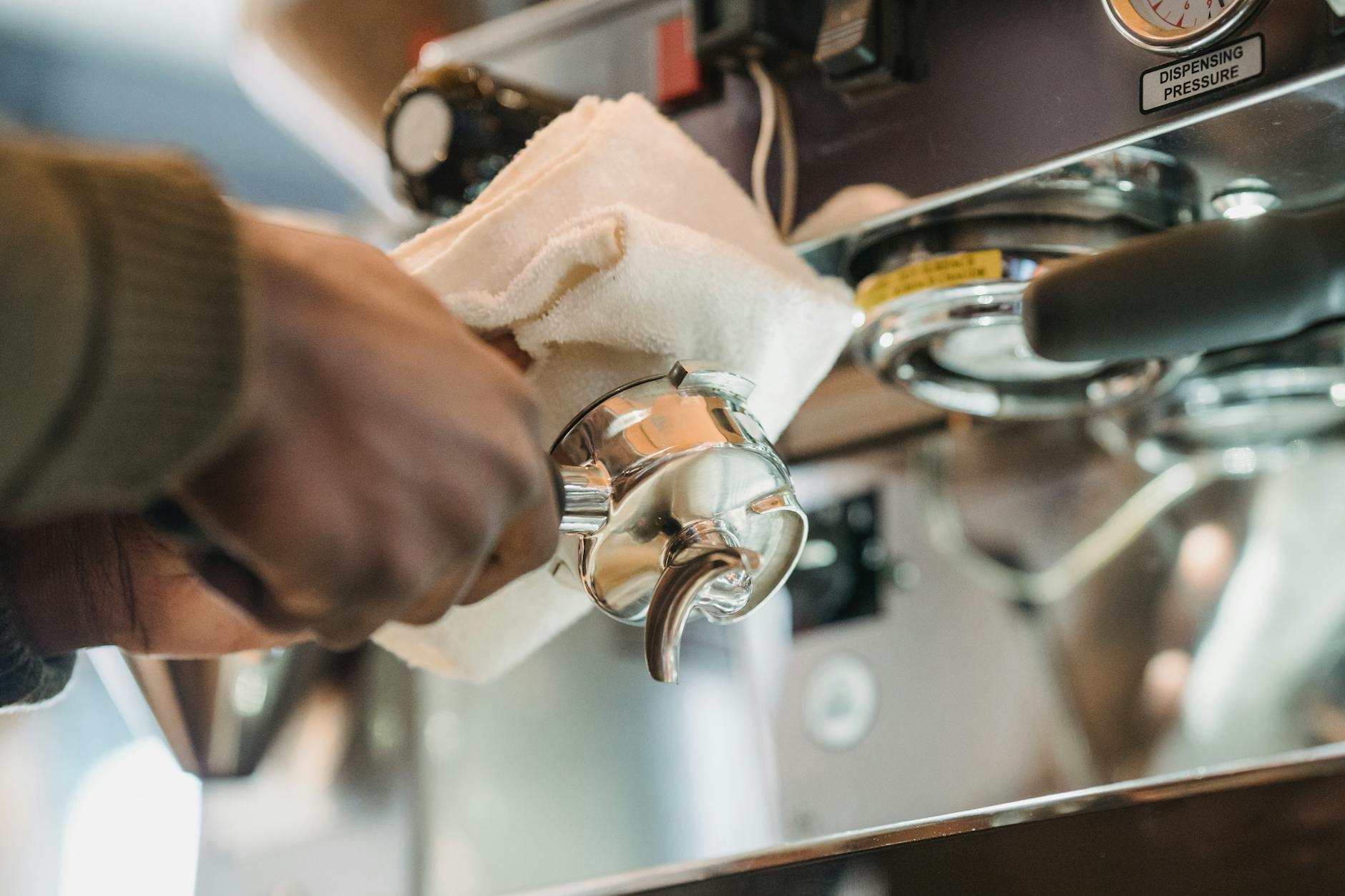
A perfectly pulled shot of espresso is a daily ritual for many, a moment of pure bliss that kickstarts the morning or powers through an afternoon. But the unsung hero of this ritual, your espresso machine, is constantly at risk from a silent and destructive enemy: internal scale buildup. Limescale, a byproduct of hard water, can stealthily clog internal pipes, damage heating elements, and degrade the quality of your coffee. Ignoring this threat not only leads to bitter, poorly extracted shots but can also result in costly repairs or even the premature death of your beloved machine. This guide will walk you through the essential steps to understand, prevent, and manage scale buildup, ensuring your espresso machine continues to perform at its peak for years to come.
Understanding limescale: The silent machine killer
Before you can fight the enemy, you need to know what it is. Limescale is the hard, chalky deposit of calcium and magnesium carbonates that gets left behind when hard water is heated and evaporates. You’ve likely seen it as a white film on your kettle or faucets. Inside the complex network of your espresso machine’s boiler, pipes, and valves, these same deposits accumulate, causing a cascade of problems. This buildup is far more than a cosmetic issue; it’s a direct threat to your machine’s functionality.
The consequences of unchecked scale include:
- Poor temperature stability: Scale acts as an insulator when it coats the heating element. This forces the machine to work harder to reach the proper brewing temperature, leading to inconsistency and energy inefficiency. Your machine might report it’s at 93°C, but the water making contact with your coffee could be significantly cooler, resulting in sour, under-extracted espresso.
- Reduced pressure and flow: As scale narrows the internal plumbing, it restricts the flow of water. This can lead to a weak stream from the group head and insufficient pressure during extraction, making it impossible to pull a balanced shot.
- Component failure: Over time, heavy scale can completely block valves, cause sensors to malfunction, and put immense strain on the pump, leading to expensive and complicated repairs.
- Altered taste: The mineral deposits themselves can leach into the water, imparting a chalky or metallic taste to your coffee, masking the delicate flavor notes of your beans.
The first line of defense: Water quality
The single most important step in preventing scale is controlling the water you put into your machine. Since limescale is a direct result of minerals in the water, using appropriately softened or filtered water is not just a recommendation—it’s essential. Using hard tap water is a surefire way to shorten your machine’s lifespan. First, you need to understand your water’s hardness, which can be easily measured with inexpensive water test strips available online or at hardware stores.
Once you know your water hardness, you can choose the right solution:
- In-tank water softeners: These are small pouches or cartridges that sit inside your machine’s water reservoir. They use an ion-exchange process to capture calcium and magnesium ions, effectively softening the water before it enters the boiler. This is an affordable and highly effective option for most home users.
- Filtered water pitchers: While standard carbon filters (like a Brita) are excellent for removing chlorine and improving taste, they do not significantly reduce water hardness. They are not a substitute for a proper softening solution.
- Espresso-specific bottled water: Not all bottled water is created equal. Avoid “mineral water,” which is often very hard. Instead, look for bottled water with a low Total Dissolved Solids (TDS) content, or purchase specially formulated water designed for espresso machines. Avoid using pure distilled or reverse osmosis (RO) water, as its lack of minerals can make it slightly corrosive and may cause issues with water-level sensors in some machines. If using RO water, it’s best to remineralize it slightly.
–
The routine: Descaling and regular maintenance
Even with soft water, a small amount of scale can still form over time. Therefore, a proactive descaling routine is the second pillar of machine maintenance. Descaling involves running a mild acidic solution through the machine’s internal system to dissolve any accumulated mineral deposits. The frequency of this process depends entirely on your water hardness and how often you use your machine.
When it comes to the descaling solution, you have two main choices. Commercial descalers are specifically formulated by manufacturers to be effective against scale without damaging sensitive components like rubber gaskets and metal alloys. This is almost always the safest choice. Alternatively, some users opt for a DIY solution like citric acid powder (around 1-2 tablespoons per liter of water), which is generally considered safer than vinegar. While vinegar can work, its acetic acid can be harsh on seals and leave a persistent odor that is difficult to rinse out.
Here is a general guide for descaling frequency based on your water hardness:
| Water Hardness (Grains per Gallon / PPM) | Recommended Descaling Frequency |
|---|---|
| Soft Water (1-3 GPG / 17-50 PPM) | Every 4-6 months |
| Moderately Hard Water (4-7 GPG / 51-120 PPM) | Every 2-3 months |
| Hard Water (8-12 GPG / 121-200 PPM) | Every month |
| Very Hard Water (12+ GPG / 200+ PPM) | Use softened water only; descale monthly |
Always follow your specific machine’s instructions for the descaling process, as it can vary greatly between models.
Beyond descaling: Essential daily and weekly habits
A truly healthy machine requires more than just scale management. Integrating a few simple habits into your daily and weekly routine will prevent the buildup of coffee oils and grounds, which can also cause blockages and off-flavors. These tasks complement your descaling efforts and ensure every part of the machine is clean.
Daily Habits:
- Purge the group head: Briefly run water through the group head before inserting your portafilter and immediately after you finish brewing to flush out stray coffee grounds.
- Wipe the steam wand: Clean the steam wand with a damp cloth immediately after steaming milk. Dried-on milk is difficult to clean and can clog the steam tip.
- Empty the drip tray: Don’t let dirty water sit in the drip tray, as it can become a breeding ground for mold.
Weekly Habits:
- Backflush with a blind basket: If your machine has a three-way solenoid valve, backflushing is crucial. Once a week, backflush with just water. Every 2-4 weeks, use an espresso machine cleaner (like Cafiza) during the backflush process. This dissolves rancid coffee oils from the group head and shower screen, which descaling does not remove.
- Clean your portafilter and baskets: Soak your portafilter and baskets in a solution of hot water and espresso machine cleaner to dissolve stubborn coffee oils.
Preventing scale in your espresso machine is not a one-time fix but an ongoing commitment to quality. By understanding the destructive nature of limescale, you can appreciate the critical importance of your first and best defense: using properly softened water. This single step will dramatically reduce the need for aggressive descaling and extend the life of your machine. When you pair this preventative measure with a consistent descaling schedule tailored to your water hardness and usage, you create a robust maintenance routine. By also incorporating simple daily and weekly cleaning habits, you ensure that your machine is free from both mineral scale and coffee oil residue. This holistic approach is the key to protecting your investment and guaranteeing that every shot of espresso you pull is as delicious as the first.


 No products in the cart.