

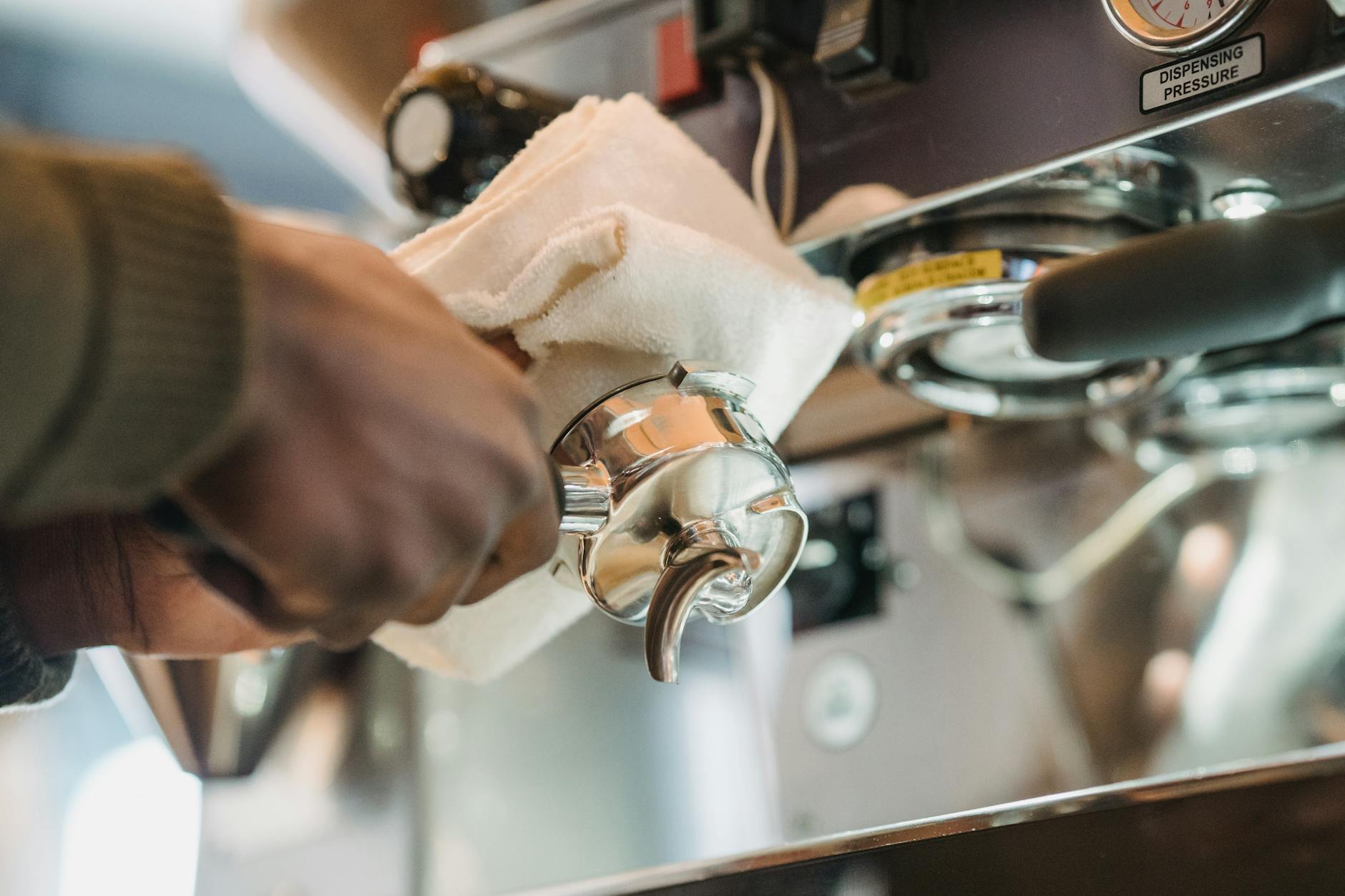
Your automatic coffee machine is a masterpiece of engineering, designed to deliver a perfect cup of coffee with the press of a button. At the heart of this complex process is the brew unit, the component responsible for tamping the grounds and extracting the espresso. For it to function correctly, it relies on a series of small but vital parts: seals and o-rings. These components ensure a pressurized, watertight environment, which is essential for a rich and flavorful extraction. Over time, they can wear out, leading to leaks and poor performance. This guide will walk you through everything you need to know about inspecting, cleaning, and maintaining these critical seals to keep your machine running smoothly and your coffee tasting its best.
Why seals and o-rings are the unsung heroes of your coffee machine
Think of the brew unit as the engine of your coffee maker. When you start the brew cycle, it moves into position, coffee grounds are dispensed into it, and hot water is forced through under high pressure. This pressure is the key to creating a true espresso with a rich crema. The seals and o-rings, typically made of food-safe silicone or rubber, are responsible for containing that pressure. They create a perfect seal between moving parts, such as the piston and the brewing chamber. Without these seals, water would take the path of least resistance, escaping into the machine’s interior instead of being forced through the coffee grounds. This results not only in a weak, under-extracted coffee but can also cause water damage to the machine’s internal electronics over time.
Spotting the signs of trouble: when to check your seals
Your coffee machine will often give you clear signals that its seals need attention. Being able to recognize these signs can save you from bigger problems down the line. The transition from a perfectly functioning machine to one with faulty seals is usually gradual, so it’s important to be observant. If you notice any of the following symptoms, it’s likely time for some maintenance:
- Excess water in the drip tray: While some water in the drip tray is normal from rinsing cycles, a sudden increase or a constantly full tray indicates an internal leak, often from a failed brew unit seal.
- Watery coffee pucks: After brewing, the used coffee grounds should be compacted into a relatively dry, firm puck. If you find a wet, sludgy mess in the grounds container, it means water pressure is not being maintained, and water is seeping around the seals.
- Weak or watery coffee: If your coffee suddenly lacks its usual body and flavor, it’s a classic sign of low extraction pressure caused by a leaking seal.
- Leaking from the spout: Water dripping from the coffee spout long after the brew cycle has finished can sometimes point to a pressure leak within the brew unit.
- Unusual noises: A brew unit with dry or worn o-rings may produce squeaking, groaning, or grinding sounds as it moves. This is a cry for lubrication and inspection.
Your step-by-step guide to brew unit maintenance
Performing maintenance on your brew unit is a straightforward process that should be done every 6-12 months, or as recommended by your machine’s manufacturer. First, gather your supplies: a clean cloth, a soft brush, and a tube of food-grade silicone lubricant. Do not use any other type of grease.
Follow these steps for a complete service:
- Safety first: Turn off and unplug your coffee machine from the power outlet. Safety should always be your primary concern.
- Remove the brew unit: Open the service door and carefully remove the brew unit, following the instructions in your machine’s user manual. Most units unclip with a simple press of a button or lever.
- Clean the unit: Rinse the brew unit thoroughly under lukewarm running water. Do not use soap or detergents, as they can strip away necessary lubricants and damage the parts. Use a soft brush to gently remove any stubborn coffee grounds from tight crevices. Let it air dry completely.
- Inspect the seals: Carefully examine the main o-rings and any other visible seals. Look for signs of wear, such as cracks, brittleness, or any nicks or flat spots. If a seal is damaged, it must be replaced. Replacement kits are often available from the machine manufacturer.
- Lubricate the seals: Squeeze a very small amount of food-grade silicone grease onto your fingertip. Apply a thin, even layer directly onto the o-rings and seals. The goal is to create a light sheen, not to coat it heavily. This keeps the seals pliable and helps them move smoothly.
- Reassemble and reinstall: Once cleaned and lubricated, carefully slide the brew unit back into the machine until it clicks securely into place. Close the service door, plug in the machine, and turn it on. It’s a good idea to run a rinse cycle or brew one coffee to ensure everything is working correctly.
The right tools for the job: choosing lubricants and parts
Not all lubricants are created equal, and using the wrong one can do more harm than good. It is absolutely critical to use a product specifically designed for coffee machines. Using incorrect parts or lubricants can damage your machine and compromise your health. When it comes to replacement seals, always opt for original manufacturer parts or high-quality, compatible alternatives to ensure a perfect fit and proper function.
The table below breaks down which lubricants are safe and which you must avoid.
| Lubricant Type | Suitability for Brew Units | Why? |
|---|---|---|
| Food-Grade Silicone Grease | Excellent | Tasteless, odorless, water-resistant, and safe for incidental food contact. Designed to withstand the temperatures and pressures inside a coffee machine. |
| Petroleum Jelly (e.g., Vaseline) | Never Use | Not food-safe, can break down rubber and silicone over time, and will impart an unpleasant taste to your coffee. |
| Cooking Oils (e.g., Olive Oil) | Never Use | Will turn rancid over time, creating foul odors and flavors. It is not designed for lubrication and can become sticky, causing the unit to jam. |
| General Purpose Grease | Never Use | Contains toxic chemicals that should never come into contact with anything you consume. |
By investing in the correct maintenance products, you are ensuring the health and longevity of your machine.
In conclusion, maintaining the seals and o-rings in your automatic brew unit is a simple yet profoundly important task. It is the key to preventing common issues like leaks, weak coffee, and strange noises. By regularly inspecting for wear, cleaning the unit, and applying the correct food-grade silicone lubricant, you ensure that the brew unit can build and hold the pressure necessary for a perfect extraction. This small investment of time every few months pays huge dividends. Not only does it significantly extend the lifespan of your expensive coffee machine and save you from costly repairs, but it also guarantees that you can continue to enjoy the rich, flavorful, and perfectly brewed coffee you expect, day after day.

 No products in the cart.