

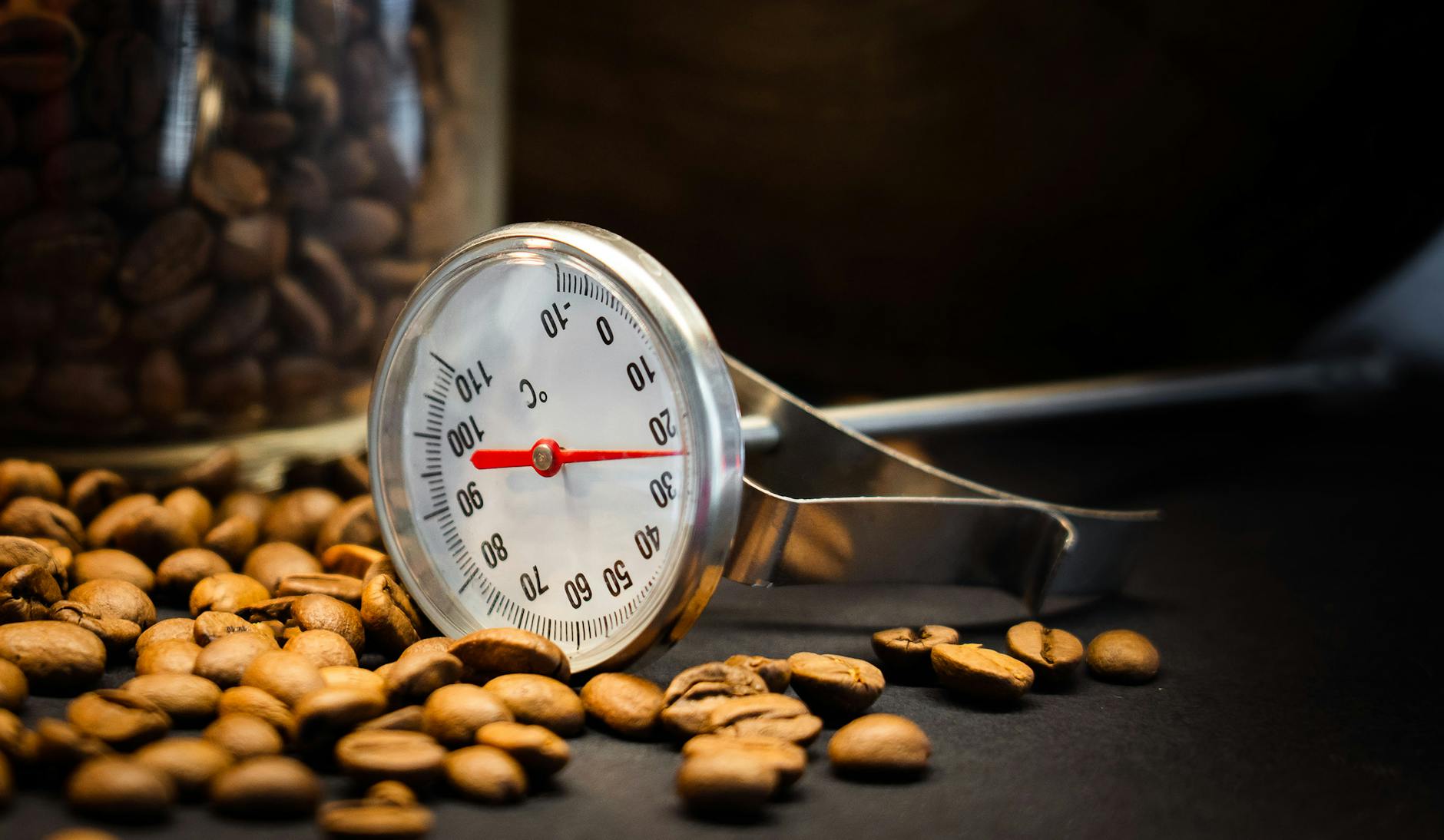
Serving coffee to a large group after a decadent dessert should be the grand finale of a perfect meal. Yet, too often, it becomes an afterthought, resulting in lukewarm, inconsistent, or poorly extracted coffee that fails to impress. The single most significant variable that separates a memorable coffee experience from a disappointing one is temperature consistency. A sudden drop in temperature during the brewing process can lead to a sour, underdeveloped cup, while brewing too hot can create bitterness. This article will serve as your guide to mastering brew temperature, ensuring every guest receives a perfectly extracted, piping hot cup of coffee that beautifully complements their dessert. We will explore the science, the equipment, and the workflow strategies needed for success.
Understanding why temperature dictates flavor
Before we can control temperature, we must understand why it’s so critical. Water acts as a solvent in coffee brewing, and its temperature directly dictates which flavor compounds it extracts from the grounds and at what rate. Think of it as a spectrum. The ideal brewing range for most coffee is between 195°F and 205°F (90°C – 96°C).
- Below 195°F (90°C): The water isn’t energetic enough to dissolve the desirable sugars and oils efficiently. Instead, it primarily extracts the acids, which come out first. This results in coffee that tastes sour, thin, and underdeveloped, often described as “weak” or “grassy.”
- Within the 195°F – 205°F range: This is the sweet spot. The water has enough thermal energy to dissolve a balanced profile of acids, sugars, and oils, creating a cup that is sweet, complex, and vibrant.
- Above 205°F (96°C): Water that is too hot or boiling begins to extract bitter, astringent compounds (like certain polyphenols) too quickly. This leads to an over-extracted brew that is harsh, bitter, and can mask all the delicate nuances of the coffee.
When brewing for a large group, the challenge is magnified. A larger volume of water and coffee grounds creates a greater potential for heat loss. If your water temperature drops significantly from the start of the brew to the end, you are simultaneously under-extracting and over-extracting, resulting in a confusing and unbalanced final pot.
Prepping your equipment to win the heat war
The biggest enemy of temperature stability is thermal mass. Cold equipment will act like a heat sink, instantly stealing precious degrees from your brew water before it even has a chance to work its magic. Preheating is not an optional step; it is the fundamental practice that sets the stage for a consistent brew. Every surface the hot water will touch must be preheated to minimize this heat loss.
Start by running hot water through your entire setup. This includes:
- The brewer: Whether it’s a large pour-over dripper, a French press, or the basket of a batch brewer, fill it with hot water and let it sit for at least a minute.
- The carafe or server: This is especially crucial. A cold glass or steel carafe can drop your coffee’s temperature by 10-15°F instantly. Fill it with hot water from your tap or kettle while the coffee is brewing and dump it just before the coffee starts to drip through.
- The mugs: Serving perfectly brewed hot coffee into cold ceramic mugs is a final, tragic mistake. Fill the mugs for your guests with hot water and let them sit on the counter while you brew. A warm mug not only feels better in the hand but preserves the coffee’s temperature and aroma for the drinker.
This simple, methodical preheating routine creates a thermally stable environment, ensuring the temperature you start with is much closer to the temperature you brew with.
Choosing the right brew method for a crowd
While your favorite single-cup dripper is great for a personal morning ritual, it won’t work for serving eight guests at once. You need a method that can handle larger volumes without sacrificing temperature control. Not all large-format brewers are created equal in this regard.
A high-quality batch brewer is often the best solution. Look for models certified by the Specialty Coffee Association (SCA), as these are tested to ensure they reach and maintain the proper brewing temperature. These machines are designed to heat water to the optimal range and feature a showerhead that distributes it evenly over the grounds, promoting a uniform extraction. Furthermore, they almost always come with an insulated thermal carafe, which is vastly superior to a glass pot on a hot plate that will bake your coffee.
If you prefer a manual method, a large-format pour-over brewer like an 8 or 10-cup Chemex can work beautifully, but it requires more attention. You’ll need a quality temperature-controlled gooseneck kettle to ensure the water you’re adding throughout the 4-5 minute brew process remains in the target zone. A large French press is another option, but its immersion style can be prone to rapid heat loss if the carafe is not thoroughly preheated and insulated.
| Brew Method | Temperature Stability | Ease of Use (for Groups) | Best For |
|---|---|---|---|
| SCA-Certified Batch Brewer | Excellent | Excellent (Set and forget) | Hands-off consistency and serving a large number of guests quickly. |
| Large Pour-Over (e.g., Chemex) | Good (Requires attentive pouring) | Moderate (Requires skill and focus) | The host who wants to showcase craft and achieve a clean, bright cup. |
| Large French Press | Fair (Loses heat quickly) | Good (Simple process) | Achieving a full-bodied, robust brew with minimal equipment. |
Managing your workflow for maximum heat retention
Your technique and timing are the final pieces of the puzzle. A well-managed workflow ensures that the coffee gets from the brewer to the cup quickly and with minimal temperature loss. First, always grind your coffee beans immediately before you start brewing. This preserves volatile aromatic compounds that contribute to the flavor and aroma.
Next, consider the temperature of the “slurry” — the mixture of hot water and coffee grounds. To compensate for the initial heat loss when water hits the room-temperature grounds, you can start with your water at the higher end of the ideal range, around 204-205°F. This gives you a slight buffer. Throughout the brew, maintain a steady and controlled pour (if using a manual method) to keep the thermal mass of the slurry as stable as possible.
Finally, be ready to serve the moment the brew is complete. Have your preheated mugs, cream, and sugar arranged and ready to go. Transfer the coffee immediately from the brewer into a preheated, insulated thermal server. Avoid letting the coffee sit. The goal is to close the gap between the end of the brew and the first sip, delivering a beverage that is at its peak temperature and flavor.
Ultimately, achieving brew temperature consistency for a large dessert group is about transforming a potential point of failure into a showcase of care and expertise. By understanding the science of extraction, diligently preheating all your equipment, choosing the right brewing method for the job, and streamlining your workflow, you eliminate the variables that lead to disappointment. It is a methodical process, but one that pays dividends. The reward is a balanced, sweet, and perfectly hot cup of coffee that elevates the entire dining experience. It tells your guests that every detail, down to the final sip, was considered, making the coffee a memorable part of the dessert course, not just a caffeinated afterthought.

 No products in the cart.