

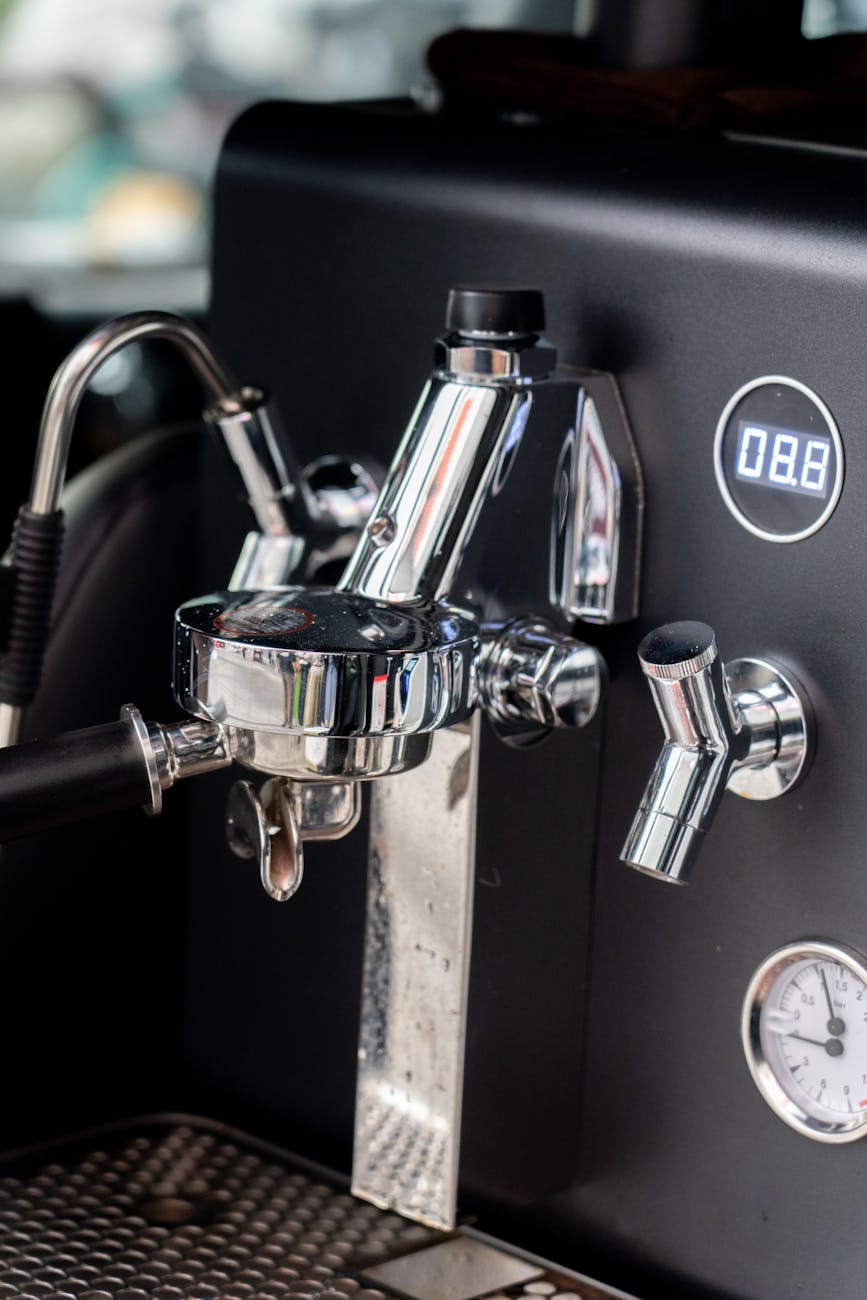
Upgrading your DeLonghi ECP3420 with a bottomless portafilter is one of the most impactful changes a home barista can make. This simple tool, also known as a naked portafilter, removes the spouts and bottom plate, exposing the basket and allowing you to watch the espresso extraction in real-time. It’s not just for beautiful, mesmerizing videos; it’s a powerful diagnostic tool that provides instant feedback on your technique. This article will guide you through the entire process, from understanding the benefits and selecting the right model for your ECP3420, to the step-by-step installation and the crucial process of dialing in your shots. Get ready to elevate your espresso game and gain a deeper understanding of what goes into that perfect cup.
Why upgrade to a bottomless portafilter?
Before you make the switch, it’s essential to understand the “why.” A bottomless portafilter isn’t just an aesthetic upgrade; it’s a fundamental tool for improving your espresso quality. The standard spouted portafilter on your DeLonghi hides the extraction process, masking potential flaws in your technique.
The primary benefit is diagnostic feedback. By exposing the bottom of the filter basket, you can identify issues like:
- Channeling: This occurs when water finds a path of least resistance through the coffee puck, creating small jets or spurts. It leads to an uneven extraction, resulting in a shot that is simultaneously sour and bitter.
- Uneven tamping: If one side of the puck starts extracting before the other, it’s a clear sign your tamp was not level.
- Poor distribution: Seeing multiple streams that fail to coalesce into a single, central stream indicates clumps in your coffee grounds that were not broken up before tamping.
Beyond diagnostics, a bottomless portafilter also leads to better tasting espresso and richer crema. The espresso flows directly from the basket into your cup, preventing it from coming into contact with excess metal surfaces where coffee oils can accumulate and go stale. This direct path also helps preserve the delicate crema, often resulting in a thicker, more visually appealing layer on top of your shot.
Finding the right portafilter for your ECP3420
This is arguably the most critical step. Not all portafilters are created equal, and DeLonghi machines have specific requirements. The ECP3420 uses a unique group head design, so simply buying any 51mm portafilter will likely lead to a poor fit or an inability to lock it in at all.
You need to pay close attention to two key specifications:
- Diameter: The DeLonghi ECP3420 requires a 51mm portafilter basket. This is a common size for many entry-level machines, but you must confirm it.
- Locking Lugs (or “Ears”): This is where most people go wrong. The ECP3420 has a three-ear locking mechanism. Many standard 51mm portafilters are designed for machines with only two ears and will not fit your DeLonghi. When shopping, you must specifically look for a “51mm 3-ear” or “51mm for DeLonghi” bottomless portafilter.
Always read product descriptions and, more importantly, customer reviews. Look for reviews from other DeLonghi ECP3420 owners who confirm a successful fit. Online marketplaces like Amazon and AliExpress, as well as specialized espresso accessory websites, are good places to search.
| Specification | Requirement for DeLonghi ECP3420 |
|---|---|
| Basket Diameter | 51mm |
| Locking Lugs | 3 Ears (Three) |
| Handle Material | Wood or Plastic (User Preference) |
| Compatibility Check | Crucial: Read reviews for ECP3420 fit confirmation |
The installation and your first shot
Once your compatible bottomless portafilter arrives, the installation process is straightforward. First, unbox it and ensure it comes with a filter basket. Sometimes you will need to use the basket from your original portafilter. Insert the basket into the new portafilter; it should fit snugly.
With your machine turned off and cooled, try fitting the new portafilter into the group head. Don’t be alarmed if it feels a bit tighter than the original one. This is common with third-party accessories. Insert it and turn the handle from left to right, just as you would with your stock portafilter. It should lock into place securely without requiring excessive force.
Before pulling a coffee shot, run a “blank shot” with just hot water. This allows you to check for any leaks around the group head gasket. If you see any significant dripping from where the portafilter meets the machine, it might not be a perfect fit. If it’s sealed properly, you’re ready to prepare your first real shot.
Be prepared for a mess. Your first few shots will likely be messy, with coffee spraying from the bottom of the basket. This is normal. This is the channeling we discussed earlier. Don’t be discouraged; instead, view it as the first piece of valuable feedback your new tool has given you.
Dialing in with your new tool
The messy first shots are your starting point for improvement. A bottomless portafilter forces you to perfect your puck preparation. The goal is to see the espresso begin as several small droplets across the basket, which then merge into a single, steady, and central stream that looks like warm honey.
If you see spurting and channeling, focus on these key areas:
- Distribution: The most common cause of channeling is clumps in the coffee grounds. Use a simple tool like a toothpick or a dedicated Weiss Distribution Technique (WDT) tool to stir the grounds in the basket before tamping. This breaks up clumps and ensures an even density.
- Tamping: Ensure you are tamping on a level surface and applying firm, even pressure. Your tamp should be perfectly flat, not tilted to one side. A self-leveling tamper can be a great investment.
- Grind size: If your shot is flowing too quickly and blonding early (turning a pale yellow), your grind is likely too coarse. Adjust your grinder to a finer setting. Conversely, if the shot chokes the machine or drips very slowly, your grind is too fine.
Mastering your technique with a bottomless portafilter takes practice and patience, but it is the fastest way to learn how to produce consistently delicious espresso.
Making the switch to a bottomless portafilter on your DeLonghi ECP3420 is a transformative step in your coffee journey. It elevates your machine from a simple appliance to an engaging instrument for learning the craft of espresso. By providing unfiltered, real-time feedback on your puck preparation, it exposes flaws you never knew you had and guides you toward fixing them. Remember the key is to find a compatible 51mm, three-ear model specifically designed for DeLonghi machines. Embrace the initial learning curve and the messy shots that come with it. Each spurt and channel is a lesson. With patience and attention to detail, you’ll soon be pulling beautiful, clean, and delicious shots that far exceed what was possible with the standard spouted portafilter.
 No products in the cart.