

How to get espresso-level precision from your Moccamaster brew
The Technivorm Moccamaster is a legend in the world of coffee. Revered for its build quality and, most importantly, its ability to brew at a precise and stable temperature, it’s a machine built for excellence. However, owning a Moccamaster is only the first step. The true magic happens when you apply the same meticulous approach that a barista uses for an espresso shot to your daily filter coffee routine. While you won’t be pulling a shot of espresso, you can borrow its principles of precision to unlock a level of flavor, clarity, and consistency you might not have thought possible from a drip machine. This guide will walk you through transforming your Moccamaster from a great coffee maker into a precision instrument.
Start with the source: Beans and grind size
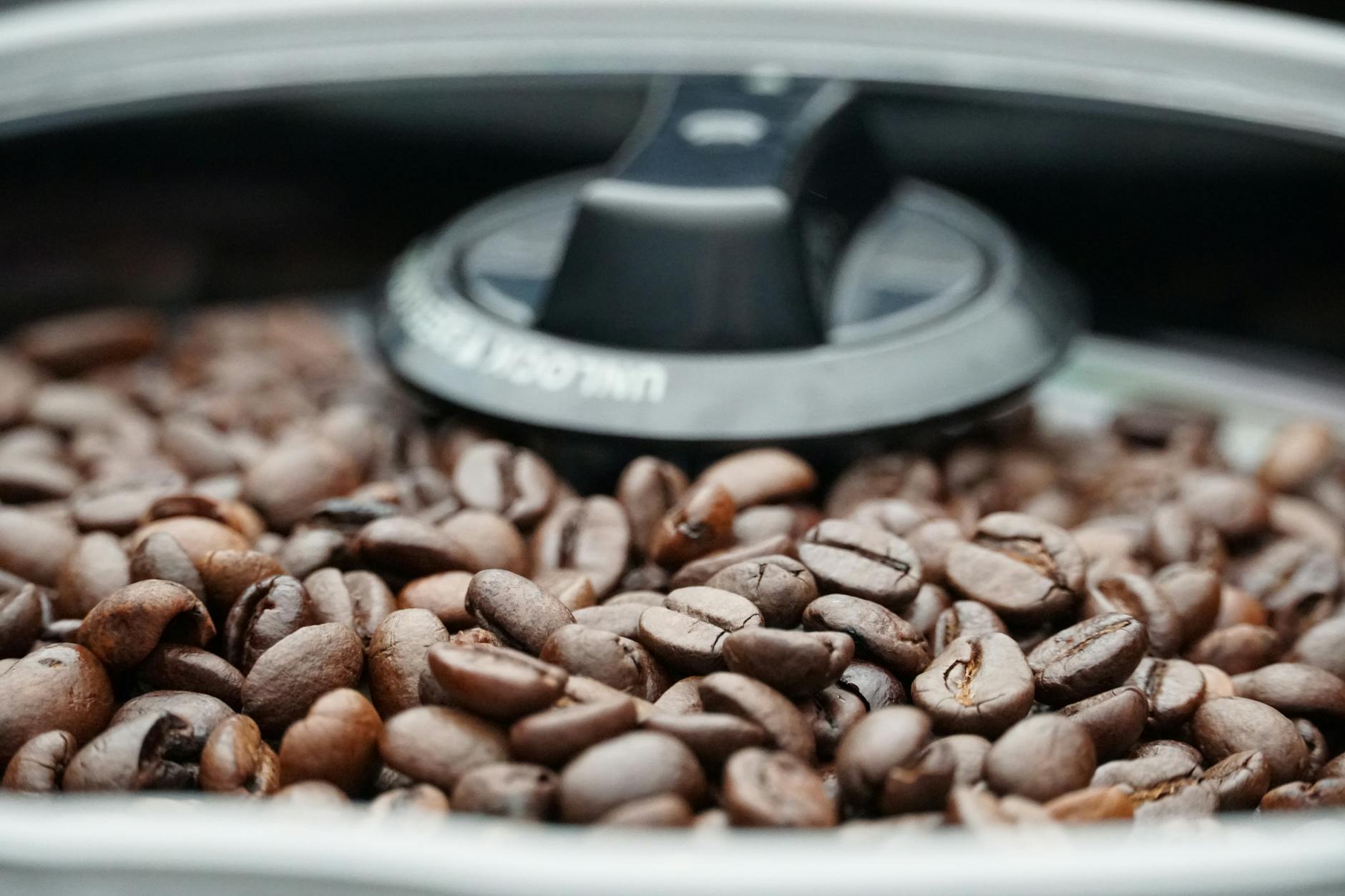
Every great cup of coffee begins with the beans. You can have the best equipment in the world, but it can’t fix stale, low-quality coffee. Seek out freshly roasted beans from a local or reputable online roaster. Look for a “roasted on” date on the bag and aim to use the beans within a month of that date. The difference in vibrancy and aroma between fresh and old coffee is night and day.
Once you have great beans, the single most important variable you control is the grind. To achieve precision, a high-quality burr grinder is non-negotiable. Blade grinders smash beans into a chaotic mix of boulders and dust, leading to uneven extraction where some grounds give off bitter flavors (over-extraction) and others contribute sour, weak notes (under-extraction). A burr grinder, on the other hand, mills the beans to a consistent particle size, allowing for a balanced and even brew.
For a Moccamaster, you’re aiming for a medium-coarse grind, similar to the texture of coarse sand. This is your primary tool for “dialing in” your brew.
- Too fine: If your coffee tastes bitter or astringent, and the brew basket comes close to overflowing, your grind is too fine.
- Too coarse: If your coffee tastes sour, thin, or weak, your grind is likely too coarse.
Start with a medium-coarse setting and make small adjustments with each brew until you find the sweet spot for your specific beans.
Perfecting the fundamentals: Ratio and water
With your beans and grind sorted, the next layer of precision comes from what you add to them. The concepts of brew ratio and water quality are just as critical in filter coffee as they are in espresso. Forget using scoops for coffee or the volume markings on the water tank; for true consistency, you need a digital scale.
The specialty coffee industry standard, or “Golden Ratio,” is a great starting point. This typically falls between 1:16 and 1:18, meaning for every 1 gram of coffee, you use 16 to 18 grams of water. For a full 1.25-liter Moccamaster pot, this translates to about 70-78 grams of coffee. Weighing both your coffee beans and the water you add to the reservoir is the only way to ensure your brew is repeatable every single day.
Just as crucial is the water itself. Your coffee is over 98% water, so its mineral content profoundly impacts the final taste. Straight tap water can be too hard or contain chlorine, muting the coffee’s delicate flavors. Conversely, using distilled or reverse osmosis water will result in a flat, lifeless cup because it lacks the necessary minerals for proper extraction. For a significant upgrade, use a quality carbon filter pitcher. For the ultimate control, you can even create your own ideal coffee water using mineral packets (like Third Wave Water) mixed into distilled water.
Refining your technique and workflow
Now that the core components are in place, you can fine-tune the brewing process itself. These small steps elevate your brew from good to exceptional. First, always rinse your paper filter. Place the filter in the brew basket and run hot water through it before adding your coffee grounds. This simple action serves two purposes: it washes away any residual paper taste and it preheats the brew basket and carafe, helping to maintain a stable temperature throughout the entire brew cycle.
Next, consider giving your coffee a bloom. The Moccamaster’s showerhead does a good job of wetting the grounds, but a manual assist ensures perfect saturation. Once you add your ground coffee to the rinsed filter, start the machine. As soon as the water begins to saturate the coffee bed, give it a gentle stir with a spoon or a bamboo paddle to ensure there are no dry clumps. This allows carbon dioxide to escape from the fresh grounds, leading to a more even and efficient extraction. Some Moccamaster models have a manual-stop drip basket, which you can close for 30-45 seconds to allow this bloom to happen before reopening it to continue the brew.
Putting it all together: A sample recipe and brew log
Let’s combine everything into a repeatable, high-precision workflow. This recipe is for a full 1.25L batch, but the principles can be scaled for any size brew.
- Prepare: Weigh out 75g of fresh, whole-bean coffee.
- Heat water: Fill the Moccamaster reservoir with 1250g (1.25L) of filtered water. This gives you a 1:16.6 brew ratio.
- Rinse: Place a paper filter in the brew basket and rinse it thoroughly with hot water. Discard the rinse water.
- Grind: Grind your 75g of coffee to a medium-coarse consistency. Add the grounds to the brew basket, giving it a gentle shake to level the bed.
- Brew: Place the basket and carafe in position and start the machine.
- Stir: Around the 30-second mark, carefully give the coffee slurry a gentle stir to ensure all grounds are saturated.
- Enjoy: Once the brew is complete, give the carafe a good swirl to mix the contents and serve immediately.
To truly master your brew, borrow one last technique from the pros: keep a log. Tracking your variables allows you to understand how small changes impact the final taste. This helps you replicate amazing cups and troubleshoot bad ones.
| Date | Beans (Origin/Roaster) | Dose (g) | Water (g) | Grind Setting | Tasting Notes |
|---|---|---|---|---|---|
| 10/26 | Ethiopia Yirgacheffe | 75g | 1250g | 19 (Baratza Encore) | Bright, floral, a little thin. Try finer grind. |
| 10/27 | Ethiopia Yirgacheffe | 75g | 1250g | 18 (Baratza Encore) | Much sweeter, good acidity, notes of jasmine and peach. Perfect. |
The journey to perfect coffee is one of delicious experimentation. While your Moccamaster isn’t an espresso machine, it is a highly capable and precise piece of equipment. By focusing on the details that matter—fresh beans, a consistent grind, exact measurements, and quality water—you adopt the mindset of a barista. You move beyond simply making coffee to thoughtfully crafting it. This meticulous approach is the key to unlocking the full potential of your machine and enjoying coffee that is consistently clean, vibrant, and incredibly flavorful. It proves that the pursuit of precision isn’t just for espresso; it’s for anyone who truly loves a spectacular cup of coffee.

 No products in the cart.