

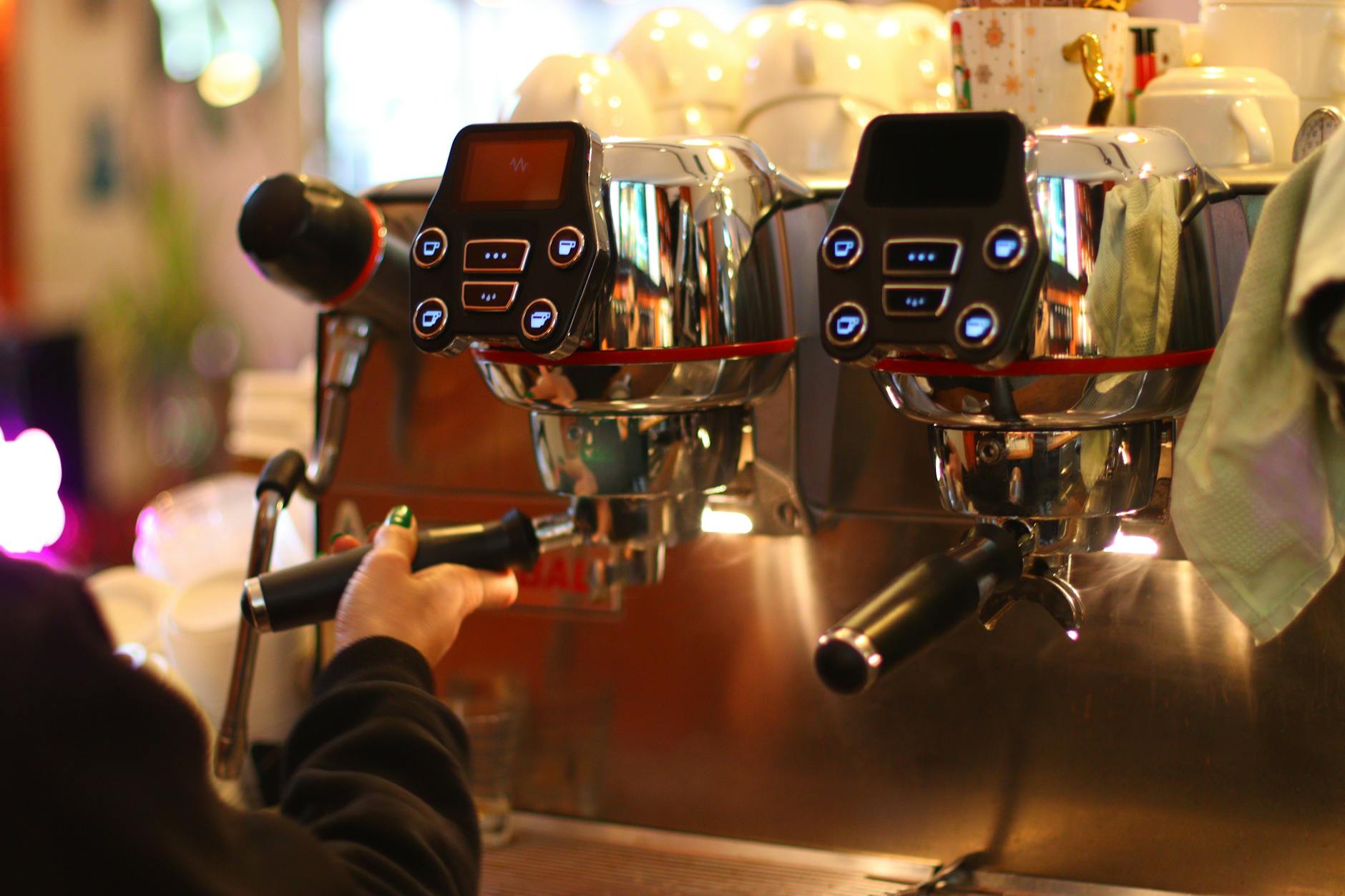
The De’Longhi ECP3420 is a fantastic gateway into the world of home espresso, capable of pulling rich, crema-topped shots with traditional dark roasts. However, many aspiring baristas quickly run into a wall when they try to explore the vibrant, nuanced world of light roasts. These coffees, known for their bright acidity and complex floral or fruity notes, often come out sour, thin, and disappointing on entry-level machines. The reason? Light roast beans are harder and less soluble, demanding more from your equipment. This guide is for the ambitious ECP3420 owner who is ready to push their machine to its limits. We will walk through the essential upgrades and techniques needed to unlock the delicious potential hidden within those light-roasted beans.
Understanding the challenge: Why light roasts are tough
Before diving into solutions, it’s crucial to understand why your ECP3420 struggles with light roasts out of the box. The core issues stem from three areas: pressure, temperature, and grind consistency. The standard ECP3420 uses a pressurized portafilter. This device has a single small hole on the bottom, which artificially creates pressure and a foamy “crema,” even if your grind is inconsistent or your puck prep is poor. While forgiving for beginners using dark roasts, this is a major roadblock for light roasts. It masks the true quality of your extraction and chokes the flow, preventing you from properly dialing in the shot.
Furthermore, light roast beans are much denser than their darker counterparts. To properly extract their complex sugars and acids, they require higher water temperatures and finer, more uniform coffee grounds. The ECP3420’s thermoblock heating system isn’t designed for the rock-solid temperature stability of high-end machines, and the pressurized basket is too forgiving for the precision a light roast demands. This combination often leads to an under-extracted shot, which tastes distinctly sour and grassy.
Essential gear upgrades for your ECP3420
To overcome the machine’s limitations, a couple of key upgrades are not just recommended—they are practically mandatory. Making these changes will transform your ECP3420 from a basic appliance into a more capable, manual espresso tool.
- A non-pressurized portafilter: This is the single most important upgrade. Switching to a non-pressurized (or “bottomless”) portafilter removes the artificial backpressure. Now, the coffee puck itself is what provides the resistance. This forces you to learn proper puck preparation and grind size, but it gives you complete control over the extraction. You’ll be able to see your shot emerge, diagnosing issues like channeling in real-time. Look for a 51mm non-pressurized portafilter compatible with De’Longhi machines.
- A capable burr grinder: The blade grinder you use for drip coffee won’t work. For espresso, especially light roast espresso, you need a quality burr grinder capable of making fine, consistent adjustments. The pressurized basket could hide a bad grind, but the non-pressurized basket will not. A good entry-level electric espresso grinder or a high-quality manual grinder will give you the control needed to finely tune your shot and achieve a balanced extraction.
Dialing in the shot: Grind, dose, and temperature surfing
With your new gear in hand, the real work begins. This is the process of “dialing in,” where you manipulate variables to find the perfect recipe for your specific beans. For light roasts on the ECP3420, you need to grind finer and manage your temperature carefully.
Start by grinding significantly finer than you would for a dark roast. Your goal is to create enough resistance in the coffee puck to slow down the water flow. You’re aiming for a shot that begins to drip after about 6-10 seconds. If water gushes through immediately, your grind is too coarse. If it barely drips or chokes the machine, it’s too fine.
Temperature is another critical factor. The ECP3420 doesn’t have a PID for precise temperature control, so we have to trick it with a technique called temperature surfing.
- Turn the machine on and let it fully heat up (the “OK” light will turn on).
- Place your empty portafilter in the group head to preheat it.
- Just before you pull your shot, flick the steam switch on for about 10-15 seconds. This forces the thermoblock to superheat.
- Turn the steam switch off. The machine is now hotter than its standard brewing temperature.
- Immediately grind and prep your puck, lock in the portafilter, and pull your shot. This ensures the water hitting your dense, light roast coffee is as hot as possible.
Pulling the shot and evaluating the results
Now it’s time to bring everything together. With your finely ground coffee and temperature-surfed machine, you can focus on the extraction itself. A common starting point for espresso is a 1:2 ratio. This means for every gram of coffee grounds you put in, you want to get twice that amount of liquid espresso out. For example, if you dose 15 grams of coffee, you’ll aim for a 30-gram liquid yield.
Use a small scale under your cup to measure this accurately. Aim for this 1:2 ratio in a total time of 25 to 35 seconds, starting the timer when you flip the brew switch. This time frame is your main diagnostic tool.
- Shot is too fast (under 25 seconds): The coffee will likely taste sour. You need to grind finer to slow down the water flow.
- Shot is too slow (over 35 seconds): The coffee may taste bitter or harsh (over-extracted). You need to grind a little coarser to speed up the flow.
Taste is the ultimate judge. A well-extracted light roast should have a pleasant brightness and sweetness, not a sharp, puckering sourness. Keep a notebook, track your variables (dose, grind setting, yield, time), and taste every shot. This iterative process of small adjustments is the key to unlocking those amazing flavors.
| Variable | Starting recommendation for light roasts | How to adjust |
|---|---|---|
| Dose | 14-16 grams (for a 51mm basket) | Keep this consistent while you adjust the grind. |
| Grind size | Fine (espresso range) | This is your primary adjustment. Go finer for fast shots, coarser for slow ones. |
| Yield | 28-32 grams (1:2 ratio) | Adjust grind to hit this yield in the target time. |
| Time | 25-35 seconds | The main indicator of a good extraction speed. |
Taming light roasts on the De’Longhi ECP3420 is undoubtedly a challenge, but it is a rewarding one. As we’ve discussed, success hinges on moving beyond the machine’s stock capabilities. By upgrading to a non-pressurized portafilter and using a quality burr grinder, you give yourself the control necessary for precision brewing. From there, it’s a matter of technique. Mastering temperature surfing ensures your water is hot enough to properly extract the dense beans, while the disciplined process of dialing in—adjusting your grind size to achieve a 1:2 brew ratio in about 30 seconds—is where the magic happens. Don’t be discouraged by initial sour shots; every attempt is a learning opportunity. With patience and these methods, your ECP3420 can produce vibrant, sweet, and complex espresso that rivals much more expensive setups.
 No products in the cart.