

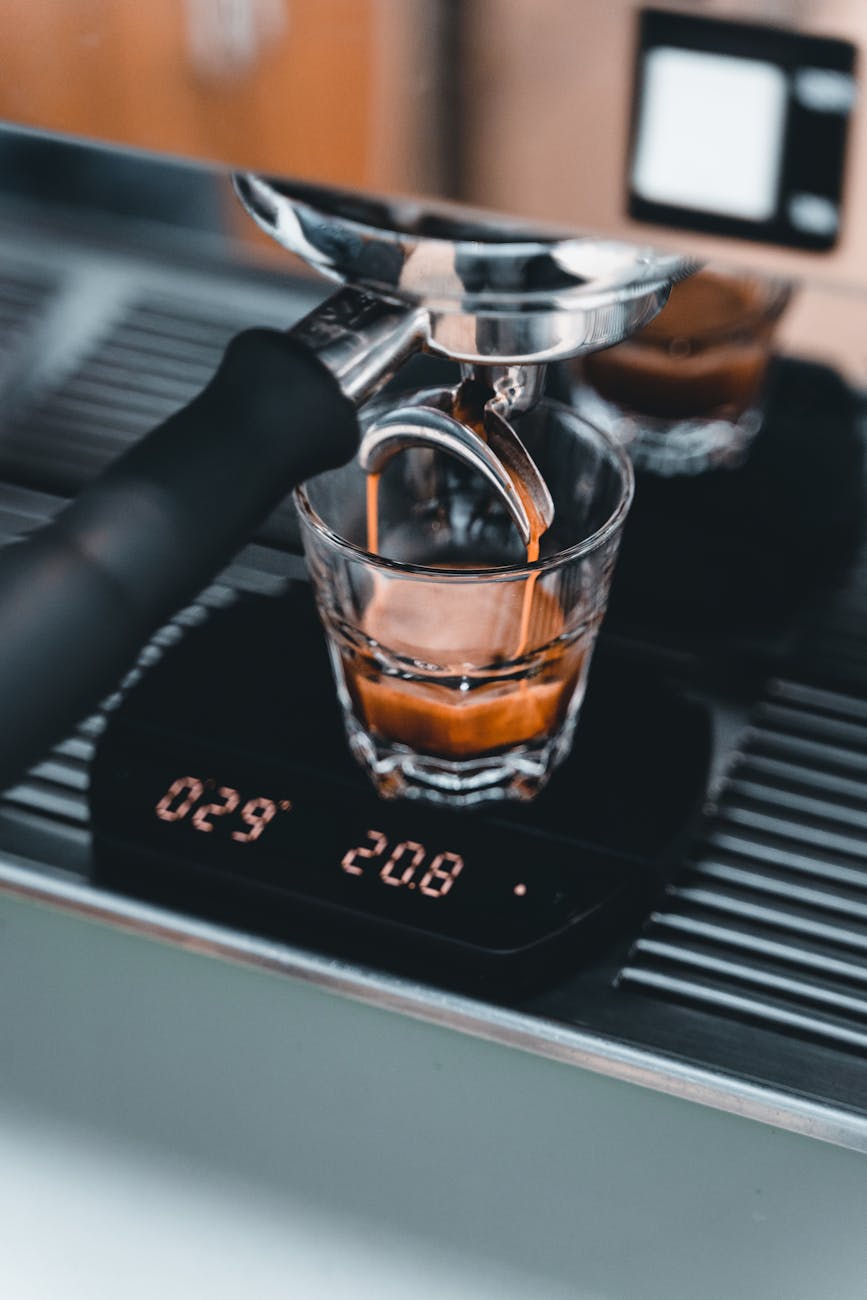
There’s nothing more disappointing than the puckering, acidic shock of a sour espresso. You’ve invested in good beans, a capable machine, and a quality grinder, yet the result is a cup that tastes sharp, lemony, and decidedly unbalanced. This common frustration can make you question your beans or even your equipment, but the culprit is rarely so dramatic. More often than not, a sour shot is a clear sign of under-extraction. This simply means the water hasn’t had enough time or opportunity to dissolve the sweet, rich flavors from the coffee grounds to balance out the acids, which are always the first to extract. This article will guide you through the process of diagnosing and fixing sour espresso by mastering the key variables of extraction.
Understanding the enemy: Why espresso tastes sour
To fix a problem, you first need to understand it. In coffee brewing, extraction is the process of water dissolving flavor compounds from coffee grounds. Think of it as a timeline of flavor. When the hot, pressurized water first hits the coffee puck, the first compounds to dissolve are the acids and salts. These are responsible for the bright, acidic, and sometimes sour notes in coffee. A few seconds later, the sugars begin to dissolve, bringing sweetness and body that balance those initial acids. Finally, the heavier, more complex compounds responsible for bitterness and texture are extracted.
A sour espresso is simply a story half-told. It means the brewing process was stopped, either intentionally or unintentionally, after the acids were extracted but before enough sugars could join the party. This is the definition of under-extraction. You are only tasting the first part of the flavor profile. Visually, an under-extracted shot often looks thin, has a pale, bubbly crema, and gushes out of the portafilter far too quickly. In contrast, an over-extracted shot, where water pulls out too much from the coffee, will taste harsh, bitter, and astringent. Recognizing sourness as a sign of under-extraction is the first and most crucial step toward a better cup.
The primary fix: Adjusting your grind size
Of all the variables you can change, your grind size has the single greatest impact on extraction. It is the first and most important tool you should reach for when your espresso tastes sour. The logic is simple: a sour shot means the water flowed through the coffee grounds too quickly. To slow it down, you need to create more resistance, and the best way to do that is to grind your coffee finer.
A finer grind does two things simultaneously:
- Increases surface area: By breaking the coffee beans into smaller particles, you expose more of the coffee’s surface to the water, making it easier for those desirable sugars to dissolve.
- Increases resistance: Denser, finer grounds compact more tightly in the portafilter basket. This creates a more resistant puck for the water to push through, slowing down the flow rate and increasing the total contact time between water and coffee.
The key is to work methodically. Don’t make a huge adjustment at once. Tweak your grinder one small step finer, keep all other variables (like the amount of coffee you use) the same, and pull another shot. Taste it. Is it less sour? Is it more balanced? By only changing one thing at a time, you can directly link the change in your grind setting to the change in taste, dialing in the perfect setting for a sweet and balanced shot.
Fine-tuning with dose and yield
While grind size is your main weapon, sometimes it’s not the only adjustment needed. If you’ve ground as fine as you can without completely choking your machine (where no water comes through), it’s time to look at your brew recipe, specifically your dose and yield. These two variables work hand-in-hand with your grind size to perfect the extraction.
Dose refers to the weight of dry coffee grounds in your portafilter. Increasing your dose slightly (e.g., from 18g to 18.5g) can add more resistance and help slow down a fast shot. However, be careful not to add so much coffee that you don’t have enough headspace in the basket, which can cause other issues.
Yield is the weight of the liquid espresso in your cup. The relationship between dose and yield is your brew ratio. A common starting point is a 1:2 ratio (e.g., 18g of coffee in, 36g of espresso out). If your 1:2 ratio shot is sour, it means you need to extract more from the coffee. The simplest way to do this is to increase the yield. Instead of stopping the shot at 36g, let it run to 40g or even 45g. This longer extraction time will pull out more of the balancing sugars, directly combating the sourness. Adjusting your yield is a powerful way to fine-tune the final balance in your cup.
Other contributing factors to consider
If you’ve dialed in your grind, dose, and yield but are still struggling with acidity, there are a few other factors that can contribute to under-extraction. These should generally be addressed after you’ve locked in the main variables.
First, consider your water temperature. Water is a solvent, and its effectiveness is tied to its temperature. If your water is too cool, it won’t have enough energy to efficiently extract the sugars, leaving you with a sour shot. If your machine has an adjustable temperature (PID), try increasing it by a degree or two to see if it improves the sweetness.
Next, examine your puck preparation. Inconsistent tamping or, more importantly, clumpy and unevenly distributed grounds can cause channeling. This is where water finds a path of least resistance and gushes through one part of the puck, leaving the rest of the coffee under-extracted. The result is a messy shot that tastes both sour and bitter. Using a distribution tool (like a WDT) to break up clumps before tamping is essential for an even extraction.
| Problem | Cause | Primary Solution | Secondary Solutions |
|---|---|---|---|
| Sour, acidic, sharp, thin body | Under-extraction | Grind finer to slow the shot | Increase yield (e.g., from 1:2 to 1:2.5 ratio), increase water temperature, or slightly increase dose. |
| Bitter, harsh, dry, astringent | Over-extraction | Grind coarser to speed up the shot | Decrease yield (e.g., from 1:2 to 1:1.8 ratio), decrease water temperature, or slightly decrease dose. |
In conclusion, that sour espresso shot is not a sign of failure but a clear piece of feedback from your coffee. It’s telling you a simple story: you need to extract more. By understanding that sourness is a direct result of under-extraction, you gain the power to fix it. The path to a balanced cup begins with the most impactful adjustment—grinding finer to slow down your shot. From there, you can fine-tune your brew ratio by increasing the liquid yield, giving the water more time to unlock the coffee’s inherent sweetness. Remember to approach it systematically, changing one variable at a time and tasting the results. With a little patience and this methodical approach, you can leave sour shots behind and consistently pull rich, sweet, and wonderfully balanced espresso.
 No products in the cart.