

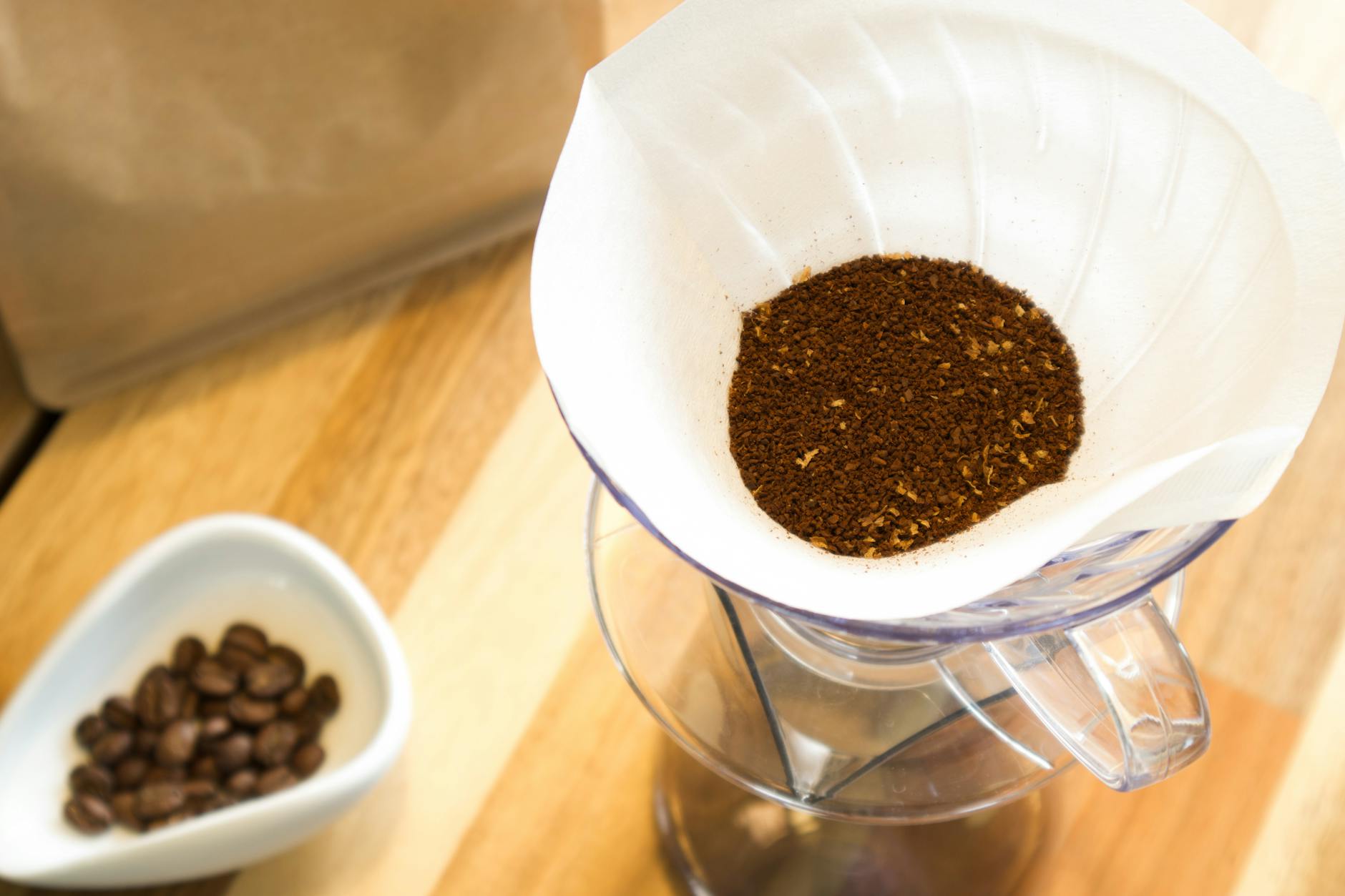
Owning a Technivorm Moccamaster is a statement. It signals a commitment to quality, precision, and the pursuit of the perfect cup of filter coffee. These machines are renowned for their optimal brewing temperature and consistent water distribution, promising to extract the most delicate and delicious notes from your chosen beans. Yet, a common and frustrating problem can stand between you and coffee bliss: an unwelcome, distracting papery taste. This subtle but persistent flavor can mute the vibrant acidity of a Kenyan coffee or mask the chocolatey depth of a Guatemalan roast. This article will serve as your comprehensive guide to identifying the cause of this papery taste and, more importantly, eliminating it for good. We will explore simple techniques and smart choices that will elevate your brew and unlock your Moccamaster’s true potential.
Understanding the source of the papery taste
Before we can fix the problem, we need to understand its origin. The culprit is, unsurprisingly, the paper filter itself. Coffee filters are made from paper pulp, which contains cellulose and other natural compounds. When hot water first hits a dry filter, it can wash these microscopic fibers and binding agents into your brew, imparting a distinct taste often described as woody, cardboard-like, or simply papery. This is especially true for lower-quality filters that may contain more loose particles.
The manufacturing process also plays a significant role. Filters are either unbleached (brown) or bleached (white). While unbleached filters might seem more natural, they often retain more of the wood’s natural lignin, which can contribute a stronger papery taste if not treated correctly. Bleached filters undergo a process to whiten them, which historically used chlorine. Today, most reputable brands use an oxygen-bleaching or a similar elemental chlorine-free (ECF) process, which results in a much more neutral filter. Regardless of the type, a small amount of residual taste can remain. Even the most advanced brewer like the Moccamaster cannot bypass the filter, making the next step absolutely critical.
The essential pre-wetting technique
The single most effective way to eliminate the papery taste is to rinse, or pre-wet, your filter before adding your coffee grounds. This simple, 30-second step is a non-negotiable ritual for baristas and home-brewing enthusiasts alike. The goal is twofold: first, to wash away the loose paper fibers and any residual manufacturing chemicals, and second, to preheat the brew basket and carafe. Preheating your equipment helps maintain a stable temperature throughout the entire brewing cycle, which is crucial for proper extraction.
Here’s how to do it correctly:
- Place your paper filter into the Moccamaster’s brew basket.
- Set the basket over your sink or directly onto the carafe you plan to brew into.
- Boil some water separately. Using hot tap water is okay, but water from a kettle is better as it’s hotter and likely filtered.
- Slowly pour the hot water over the filter, starting from the center and spiraling outwards. Ensure you saturate the entire surface area of the paper. You don’t need to flood it; about 100-200 ml (or 4-6 oz) is plenty.
- Let the water drain through completely.
- If you rinsed the filter over your carafe, carefully discard the rinse water. Now your filter is clean, your equipment is preheated, and you are ready to brew.
This small investment of time pays huge dividends in the final cup, resulting in a cleaner, sweeter, and more transparent flavor profile that allows your coffee’s origin characteristics to shine.
Choosing the right filter for your Moccamaster
While rinsing is key, starting with a better filter makes the job easier and the results more consistent. Not all filters are created equal. For your Moccamaster, which uses a #4 cone-style filter, you have several options, and your choice can have a noticeable impact.
Unbleached (Brown) Filters: These filters are processed without whitening agents. While they are perfectly safe, they tend to have a more pronounced woody flavor and require a very thorough rinse to neutralize it. If you forget to rinse, the taste will likely be noticeable in your coffee.
Bleached (White) Filters: These are the preferred choice for most coffee professionals because they are more neutral from the start. It is crucial to look for filters labeled as TCF (Totally Chlorine Free) or oxygen-bleached. This modern method uses oxygen and peroxide to whiten the paper, leaving no chemical residue or taste. Brands like Moccamaster’s official filters, Filtropa, or Melitta produce high-quality, oxygen-bleached options that contribute minimal flavor to the brew.
Here is a simple breakdown to help you choose:
| Filter Type | Potential Taste | Rinsing Importance | Best For |
|---|---|---|---|
| Unbleached (Brown) | Woody, Papery | Very High | Those who are diligent about rinsing every time. |
| Oxygen-Bleached (White) | Minimal, Neutral | High | Achieving the cleanest and most transparent taste profile. |
| Chlorine-Bleached (White) | Potential Chemical | High | Generally to be avoided in favor of TCF options. |
Investing in quality, oxygen-bleached filters designed for your machine provides an excellent foundation for a clean, delicious brew.
Beyond the filter: other factors for a clean brew
After you’ve perfected your rinsing technique and chosen a quality filter, you may still find some “off” flavors in your coffee. The papery taste might be gone, but a truly exceptional cup depends on a few other variables. First, consider your water. Coffee is over 98% water, so its quality is paramount. Heavily chlorinated or mineral-rich tap water can introduce unwanted flavors. Using filtered water, like from a Brita or a more advanced system, provides a neutral canvas for your coffee to express itself.
Next, evaluate your coffee and grind. Stale, pre-ground coffee will always taste dull and flat, sometimes with a flavor that can be mistaken for paper. For the best results, buy fresh, whole beans from a quality roaster and grind them just before you brew. An inconsistent grind from a blade grinder can also lead to uneven extraction, creating a mix of bitter and sour notes. A quality burr grinder is a worthwhile investment for any serious coffee drinker. Finally, ensure your Moccamaster is clean. Over time, coffee oils build up inside the machine and carafe, which can turn rancid and make your coffee taste bitter and stale. Regular cleaning and periodic descaling according to the manufacturer’s instructions will ensure your brewer is performing at its best and not contributing any negative flavors to your daily cup.
In conclusion, eliminating the papery taste from your Moccamaster coffee is a simple but transformative process. The problem, rooted in the paper filters themselves, is easily solved by adopting a few key habits. The most critical step is to thoroughly pre-wet or rinse your paper filter with hot water before adding coffee grounds. This single action washes away loose fibers and neutralizes any residual taste. Complementing this technique by choosing high-quality, oxygen-bleached white filters provides the most neutral starting point for a clean brew. Finally, remember that the filter is just one part of the equation. Using fresh, properly ground coffee, filtered water, and maintaining a clean machine all work in harmony to produce an exceptional cup. By implementing these practices, you ensure that every brew from your Moccamaster is vibrant, delicious, and completely free of any papery distractions.
 No products in the cart.