

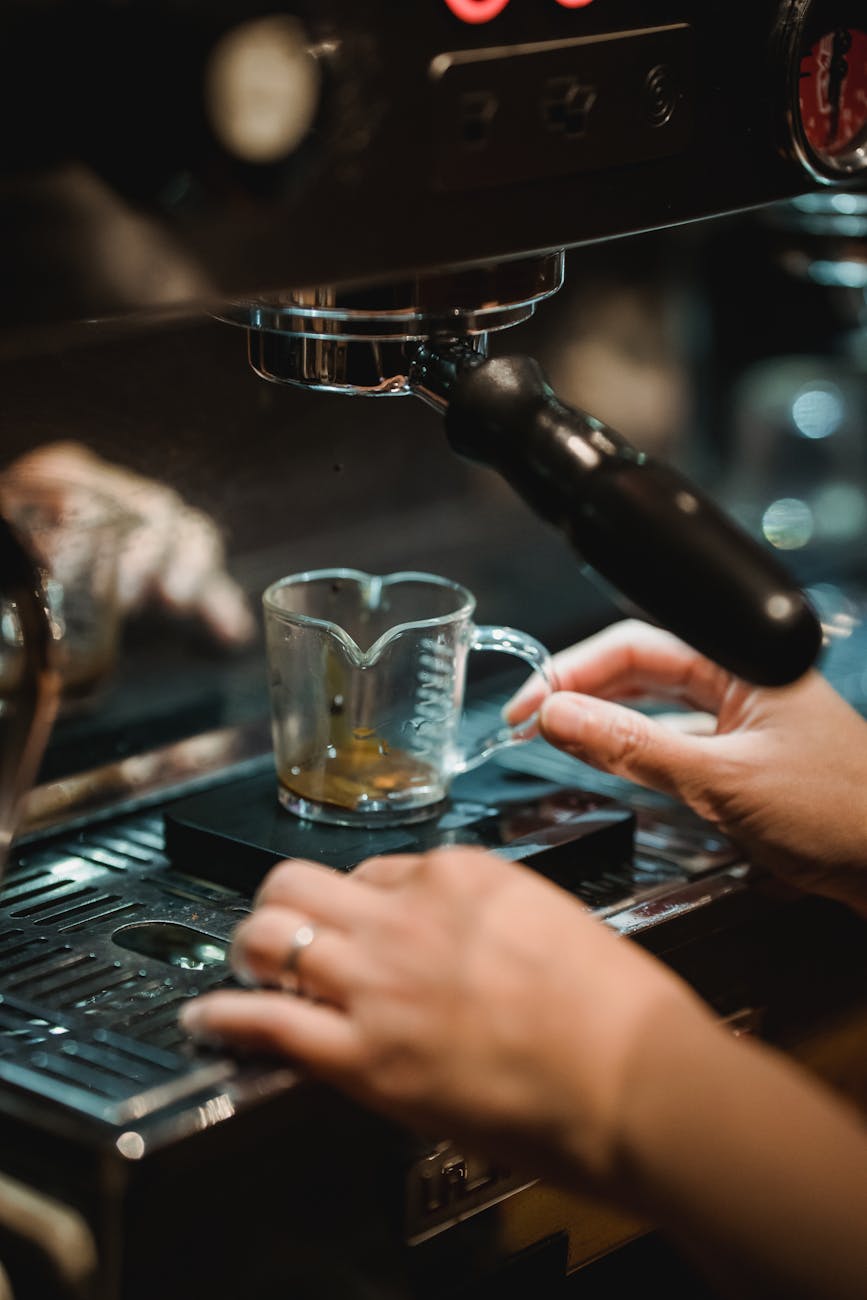
How to dose the perfect amount of coffee for a 51mm basket
Mastering the art of espresso at home is a rewarding journey, but it often starts with a common point of frustration: inconsistency. One day you pull a perfect, syrupy shot, and the next, it’s a sour disappointment. The secret to bridging that gap often lies in the most fundamental step: dosing. This is especially true for those using espresso machines with a 51mm basket, common in many popular home models. These baskets have unique characteristics that demand a more precise approach than their larger 58mm counterparts. This guide will walk you through the nuances of your 51mm basket, helping you understand how to find the perfect dose of coffee to unlock consistent, delicious espresso every single time.
Understanding your 51mm basket
Before you can perfect your dose, it’s crucial to understand the equipment you’re working with. A 51mm portafilter basket, often found on brands like De’Longhi and Breville’s entry-level machines, is fundamentally different from the 58mm commercial standard. Its narrower diameter means that for any given dose, the coffee puck will be deeper. This increased depth creates more resistance for the water as it tries to pass through, making factors like dose and distribution even more critical.
If your dose is too high, you can easily choke the machine, resulting in a slow, bitter, and over-extracted shot. If it’s too low, water will rush through the shallow puck, creating a fast, sour, and under-extracted shot. Baskets also come rated for a specific capacity, such as a “double” or “14-gram” basket. However, you should treat this number as a starting point, not a strict rule. The actual amount of coffee you can fit depends heavily on the bean’s density, which is determined by its origin and, most importantly, its roast level.
Finding your starting dose
Finding the right dose isn’t about a single magic number; it’s about finding the right range for your specific coffee and basket. The goal is to dose an amount that allows for even extraction without touching the shower screen once the portafilter is locked in. This space, known as headspace, is vital for allowing the coffee to swell and the water to distribute evenly.
A great practical method for checking headspace is the nickel test. Simply dose and tamp your coffee as usual, then place a small coin on top of the puck. Carefully lock the portafilter into the group head and then remove it. If the coin has left a deep imprint, your dose is too high. If there’s no mark at all, you have sufficient headspace. A faint indentation is often the sweet spot.
Roast level is your next major consideration:
- Dark roasts: These beans are less dense and more brittle. You can often dose slightly higher (e.g., 15-17g in a standard double basket) to build enough resistance.
- Light roasts: These beans are very dense. You’ll likely need to dose lower (e.g., 14-16g) to avoid choking the machine and allow water to flow through properly.
Here is a general starting point for a standard double 51mm basket:
| Roast level | Starting dose range | Notes |
|---|---|---|
| Light | 14 – 16 grams | Grind finer; these dense beans need more help to slow the shot. |
| Medium | 15 – 17 grams | A good all-around starting point. Most flexible range. |
| Dark | 16 – 18 grams | Grind coarser; these brittle beans create lots of fines that slow the shot. |
The relationship between dose, grind, and yield
Your coffee dose is not an isolated variable. It works in a tight relationship with your grind size and your final yield (the weight of the liquid espresso in your cup). Think of them as three interconnected levers. When you pull one, the others are affected. For the sake of consistency, the best practice is to choose your dose first and keep it constant while you adjust the other variables to achieve your desired taste.
Once you’ve settled on a starting dose, say 15 grams, your next step is to adjust your grind size to control the shot time. Your goal is typically a 1:2 ratio (15g of coffee in, 30g of espresso out) in about 25-30 seconds. If your shot runs too fast (e.g., 15 seconds), your grind is too coarse. If it runs too slow (e.g., 45 seconds), your grind is too fine. You must adjust your grind to hit that time target. Only after you’ve achieved this should you start tasting and making further tweaks.
Dialing in for taste
With your dose set and your shot time in the right ballpark, now comes the fun part: tasting. The numbers get you close, but your palate makes the final decision. Espresso taste issues can usually be categorized into two camps: sour or bitter. These flavors are your guide to perfecting the shot.
- If your shot tastes sour, acidic, or thin: This is a classic sign of under-extraction. The water ran through the coffee too quickly, not having enough time to pull out the sweet, desirable compounds. Your first move should be to grind finer. This will slow the shot down, increasing the contact time between water and coffee.
- If your shot tastes bitter, harsh, or burnt: This indicates over-extraction. The water was in contact with the coffee for too long, pulling out unpleasant, bitter compounds. The solution here is to grind coarser. This will speed up the shot, reducing the overall extraction.
Once you’ve adjusted your grind to fix the primary taste flaw, you can make micro-adjustments to your yield. If a shot is just a little too acidic, try pulling it slightly longer (e.g., from 30g to 32g yield) to extract a bit more sweetness. If it’s leaning slightly bitter, stop the shot a little shorter (e.g., from 30g to 28g). By keeping your dose constant, you create a stable foundation to make these small but impactful changes.
In summary, mastering the dose for your 51mm basket is a methodical process, not guesswork. It begins with understanding the physical properties of your equipment—its narrow and deep shape demands precision. Start by finding a dose range that works for your specific coffee roast and basket, using the nickel test to ensure you have adequate headspace. Once you lock in that dose, use it as your constant. The key to unlocking great flavor then lies in adjusting your grind size to control the flow rate and shot time. Finally, let your taste buds be the ultimate judge, making small adjustments to correct for sourness or bitterness. This journey of experimentation is what turns a home coffee enthusiast into a true home barista.
 No products in the cart.