

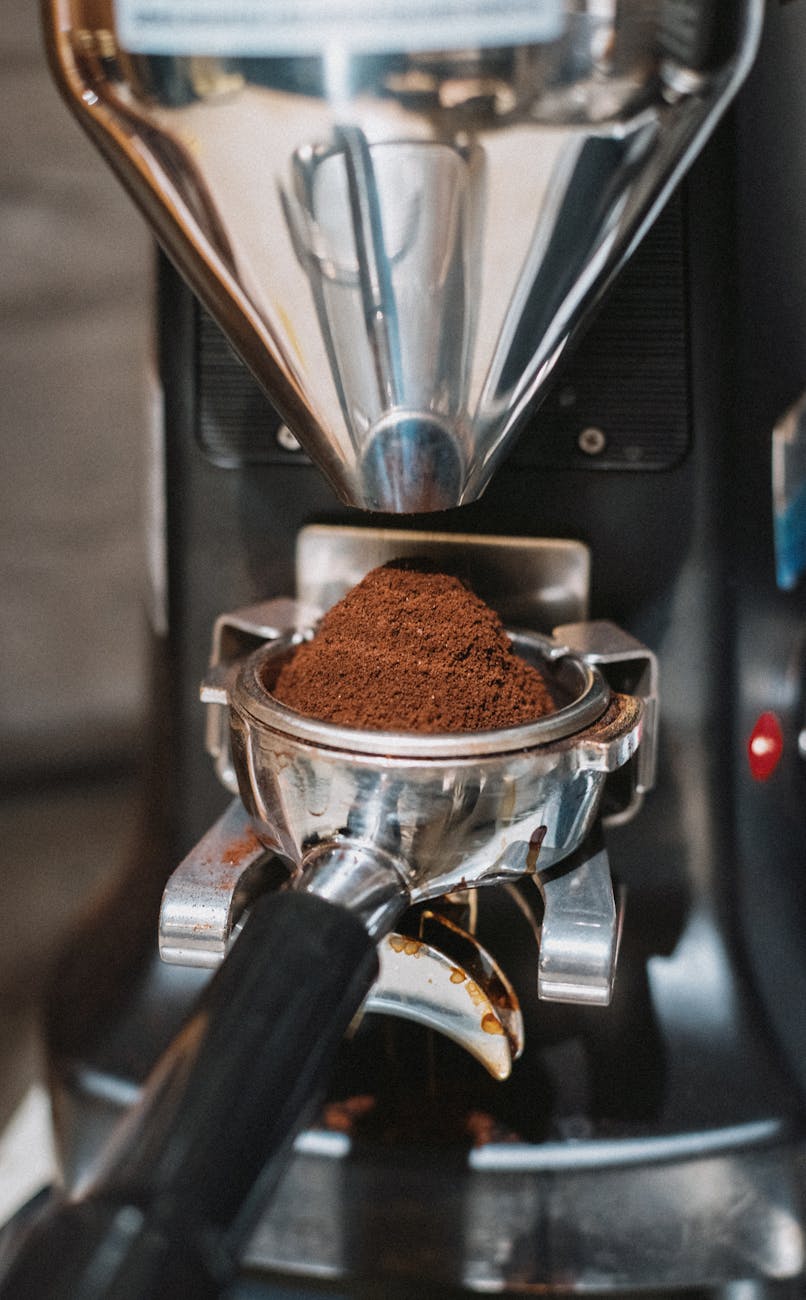
How to dial in your espresso grinder for a new bag of beans
There’s a special kind of excitement that comes with opening a new bag of specialty coffee beans. The aroma fills the air, and you imagine the delicious, perfectly balanced espresso you’re about to create. But then, the first shot runs like a faucet, producing a sour, watery mess. The frustration is real. This is where the essential skill of dialing in comes into play. It’s the methodical process of calibrating your grinder to match the unique characteristics of your new beans. This article will guide you through the fundamental variables of espresso, provide a step-by-step process for adjusting your grinder, and teach you how to use your palate to achieve the perfect extraction every single time.
Understanding the key variables of espresso extraction
Before you touch your grinder’s adjustment collar, it’s crucial to understand the three core elements you’ll be working with. Think of them as the pillars of a great espresso shot: dose, yield, and time. Your grind size is the primary tool you’ll use to bring these three variables into harmony. By mastering them, you move from guessing to making informed, intentional decisions.
- Dose: This is simply the weight of dry coffee grounds you put into your portafilter basket. Consistency here is non-negotiable. For a standard double espresso, this is typically between 18 and 20 grams. The first step in dialing in is to choose a dose and stick with it. Use a scale accurate to 0.1 grams to ensure you are using the exact same amount of coffee for every shot in your dialing-in process.
- Yield: This refers to the weight of the liquid espresso in your cup. We measure by weight, not volume, because crema can be misleading. The relationship between your dose and yield is called the brew ratio. A great starting point for most beans is a 1:2 ratio. For example, if you use a dose of 18 grams, you’ll aim for a yield of 36 grams of liquid espresso.
- Time: This is the total duration of the extraction, from the moment you press the button on your machine to the moment you stop the shot. A general target for a 1:2 ratio shot is between 25 and 30 seconds. This isn’t a rigid rule, but a fantastic starting point. It’s the grind size that most directly impacts this variable. A finer grind creates more resistance for the water, slowing down the shot. A coarser grind has less resistance, speeding it up.
Your goal is to adjust the grind size to hit your target yield in your target time, all while keeping the dose constant.
The step-by-step dialing-in process
With a solid understanding of the variables, you can now begin the practical, hands-on process. This methodical approach will save you coffee, time, and frustration. Remember to only change one variable at a time: your grind setting.
Step 1: Establish your recipe
Decide on your constant parameters before you begin. Pick your dose (e.g., 18g) and your target yield (e.g., 36g). If you’re unsure where to set your grinder, start with the setting you used for your last bag of beans or a medium-fine setting recommended by the manufacturer. The exact number doesn’t matter, as it’s just a starting point.
Step 2: Pull your first shot and gather data
Weigh your chosen dose of 18g into your portafilter. Focus on good puck preparation: distribute the grounds evenly and tamp levelly and consistently. Place your cup on a scale, position it under the portafilter, and tare the scale to zero. Start a timer the moment you engage the pump on your espresso machine. Watch the scale, not the clock. As the liquid espresso fills the cup, stop the shot just before it reaches your target yield of 36g. The flow will continue for a moment after you stop the pump. Once the shot is finished, note the final time on your timer.
Step 3: Analyze and adjust the grind
Now it’s time to interpret your results.
- If the shot was too fast (e.g., 36g in 19 seconds): This means your grind is too coarse. The water flowed through the coffee puck with too little resistance, resulting in an under-extracted, sour shot. You need to adjust your grinder to a finer setting.
- If the shot was too slow (e.g., 36g in 42 seconds): This means your grind is too fine. The coffee puck was too dense, choking the machine and over-extracting the grounds. This will taste bitter and harsh. You need to adjust your grinder to a coarser setting.
After making a small adjustment on your grinder, it’s important to “purge” a few grams of coffee. This ensures that the grounds from your previous setting are cleared from the burrs and chute, so your next shot accurately reflects your new setting. Repeat steps 2 and 3 until you are hitting your target yield in the 25-30 second range.
Going beyond the numbers: Fine-tuning with taste
Achieving a shot that runs for 28 seconds is great, but it’s only half the battle. The ultimate goal is a delicious cup of espresso. The numbers provide a recipe, but your palate is the final judge. Once you are in the correct time window, you can start making micro-adjustments to the grind based on taste. Tasting your shots critically is the most important skill you can develop. A “bad” shot is not a waste; it’s a valuable piece of data that tells you which direction to go.
Learning to identify the key flavors of extraction will empower you to perfect your recipe:
- Under-extracted: If your espresso tastes overwhelmingly sour, like a lemon, and has a thin, watery body with a short finish, it’s under-extracted. The water ran through too quickly to pull out the desirable sweet compounds. The solution is to grind finer to slow the shot down and increase extraction.
- Over-extracted: If the taste is aggressively bitter, astringent (like overly-steeped black tea), and leaves your mouth feeling dry and chalky, it’s over-extracted. The water spent too much time in contact with the coffee, pulling out unpleasant, bitter compounds. The solution is to grind coarser to speed the shot up.
- Balanced: The “god shot” we are all chasing. It has a pleasant sweetness, a balanced acidity that might taste like ripe fruit, and a subtle, pleasant bitterness like dark chocolate. It feels rich and syrupy in your mouth and has a long, lingering aftertaste. When you hit this, you’ve dialed in successfully.
This simple table can serve as your cheat sheet during the fine-tuning stage.
| Taste profile | Likely cause | Grind adjustment |
|---|---|---|
| Sour, watery, sharp acidity | Under-extracted (shot too fast) | Grind finer to slow down extraction |
| Bitter, harsh, dry, astringent | Over-extracted (shot too slow) | Grind coarser to speed up extraction |
| Both sour and bitter at once | Channeling (uneven extraction) | Focus on puck prep (WDT, level tamping) |
Maintaining consistency and adapting to new beans
Once you’ve dialed in your grinder, your work isn’t completely over. Coffee is an organic product that changes over time. A setting that was perfect on Monday might need a slight tweak by Friday. Lighter roasts are generally denser and less soluble, often requiring a finer grind setting to achieve proper extraction. Conversely, darker roasts are more brittle and soluble, which means you’ll usually need a coarser setting to avoid over-extraction.
As your beans age and degas after their roast date, they offer less resistance to water. You’ll likely find yourself needing to gradually adjust your grinder finer throughout the life of the bag to maintain the same shot time. Even changes in ambient humidity can affect your coffee and may require minor adjustments. The key is to pay attention to your shot times and, most importantly, the taste in the cup. Keeping a small notebook or a phone note with the bean name, roast date, dose, yield, time, and grind setting can be immensely helpful for future reference.
Conclusion
Dialing in a new bag of coffee beans can seem intimidating, but it is a straightforward and rewarding process. It transforms espresso making from a game of chance into a craft of precision. By systematically controlling the core variables of dose, yield, and time, you can use your grinder as a precise tool to navigate your way to a perfect extraction. Remember the fundamental rule: if the shot is too fast and sour, grind finer; if it’s too slow and bitter, grind coarser. While numbers and timers provide an essential framework, your palate is the ultimate guide. Embrace the process, taste every shot, and don’t be afraid to experiment. With a little practice, dialing in will become a quick and intuitive ritual that unlocks the full flavor potential of every bean you buy.

 No products in the cart.