

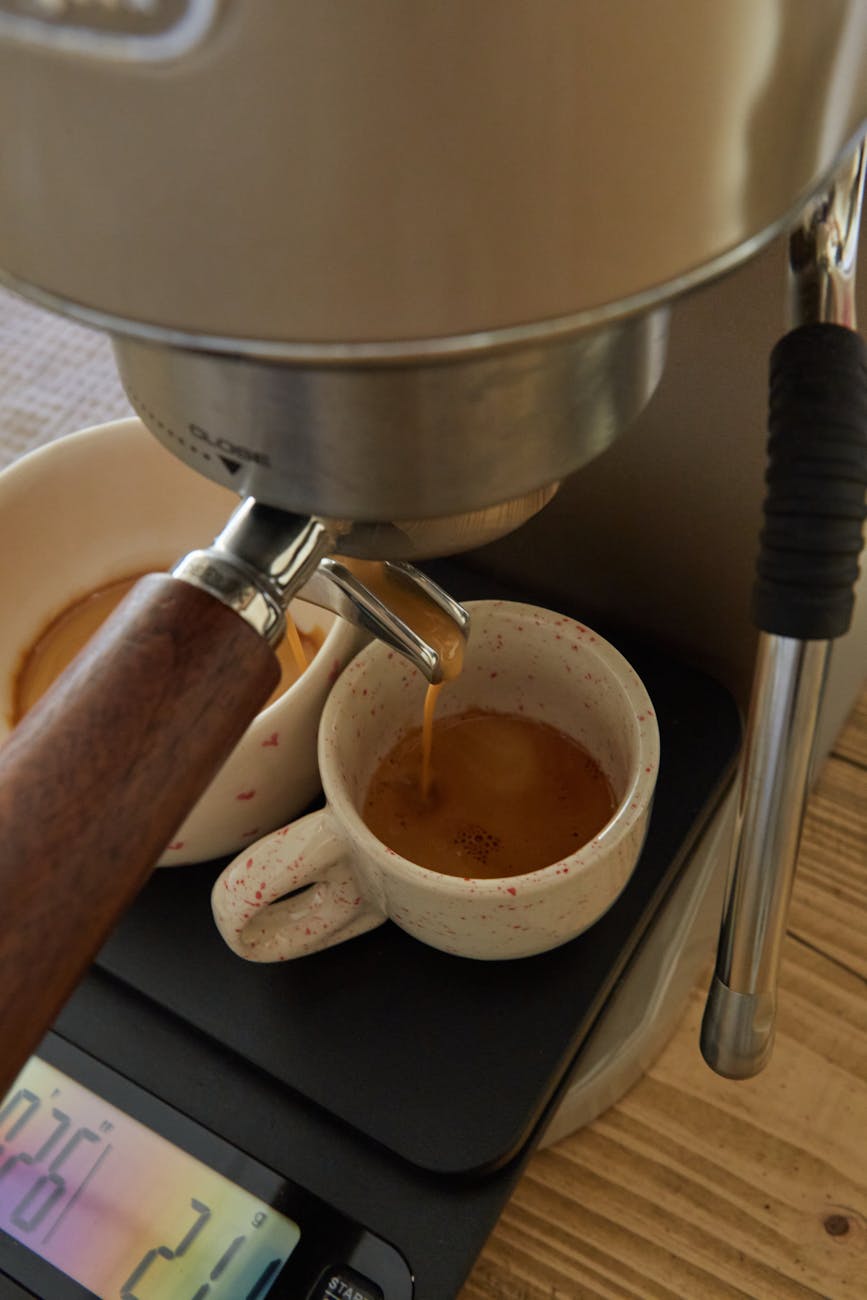
How to dial in light roast espresso for a balanced cappuccino
The world of specialty coffee has fallen in love with light roasts, and for good reason. These coffees offer a dazzling spectrum of bright, complex, and delicate flavors, from floral and tea-like notes to vibrant citrus and berry acidity. However, translating this complexity into a balanced cappuccino presents a unique challenge. Unlike their darker-roasted counterparts, which easily meld with milk to create chocolatey, nutty comfort, light roasts can often result in a drink that is sour, weak, or disjointed. The very acidity that makes them shine as a straight espresso can clash with the sweetness of milk. This guide is for the home barista ready to tackle that challenge. We will explore the essential techniques to tame that acidity and unlock the full potential of your light roast beans, creating a harmonious and delicious cappuccino.
Understanding the challenge of light roasts and milk
Before turning any dials on your grinder, it’s crucial to understand why light roasts behave so differently. During the roasting process, coffee beans undergo thousands of chemical changes. Light roasts are dropped from the roaster much earlier in this process. As a result, the bean structure is denser and less porous than a dark roast. This density makes them less soluble, meaning it’s physically harder for water to extract all the delicious flavor compounds locked inside.
This lower solubility directly contributes to the signature flavor profile of a light roast:
- Higher acidity: The organic acids responsible for bright, fruity, and floral notes are more prominent.
- Lower bitterness: The compounds that create classic “roasty” or bitter flavors have not yet fully developed.
- Lighter body: The shot often has a more delicate, tea-like texture compared to the heavy, syrupy body of a dark roast.
When you introduce steamed milk, this profile can become problematic. The fat and lactose (sugar) in milk are sweet and rich. If your light roast espresso shot is under-extracted—a common problem due to their low solubility—the resulting sourness will clash horribly with the milk. The shot’s lighter body can also get completely lost, resulting in a cup that tastes like slightly flavored hot milk. The goal, therefore, is not to eliminate the coffee’s unique character but to achieve a perfect extraction that transforms sharp sourness into a pleasant, vibrant sweetness that beautifully complements the milk.
The core variables: brew ratio and grind size
The foundation of any good espresso shot lies in the relationship between your dose (the amount of coffee you use), your yield (the amount of liquid espresso in the cup), and the time it takes to pull the shot. For light roasts, you need to adjust your mindset and your recipe, moving away from traditional parameters.
The most powerful tool at your disposal is the brew ratio. While a classic Italian espresso might use a 1:2 ratio (e.g., 18 grams of coffee in, 36 grams of espresso out), this often leads to sour, under-extracted shots with light roasts. To increase extraction and achieve balance, you need to push more water through the coffee. This means aiming for a longer ratio, such as 1:2.5 or even 1:3 (18g in, 45-54g out). This extended contact time gives the water a better chance to dissolve the sugars and complex flavors from the dense beans, balancing the acidity.
To achieve this longer ratio in a reasonable time, you must adjust your grind size. Light roast beans are harder and require a significantly finer grind setting than darker roasts. This increases the surface area of the coffee grounds, making extraction more efficient. The process is a delicate dance:
- Start with your chosen dose and a target ratio (e.g., 18g in, 48g out for a ~1:2.7 ratio).
- Grind much finer than you normally would for a darker roast.
- Aim for a total shot time of around 30-40 seconds. This longer time is necessary for proper extraction.
- If your shot runs too fast (e.g., under 30 seconds), your grind is too coarse. Adjust it finer.
- If your shot chokes the machine or runs too long (e.g., over 45 seconds), your grind is too fine. Adjust it coarser.
Remember, every adjustment to your grind will affect your shot time, and you must work to keep these two variables in harmony to hit your target yield. Below is a helpful starting point comparison.
| Variable | Dark Roast (Traditional) | Light Roast (for Cappuccino) |
|---|---|---|
| Dose | 18g | 18g (keep constant at first) |
| Yield (Output) | 36g | 45-54g |
| Brew Ratio | 1:2 | 1:2.5 to 1:3 |
| Shot Time | 25-30 seconds | 30-40 seconds |
| Brew Temperature | 90-93°C (195-200°F) | 94-96°C (201-205°F) |
Advanced tools for perfect extraction
Once you have a grasp on the relationship between grind size and brew ratio, you can introduce other variables to further refine your extraction, especially if your machine offers more advanced controls. The two most impactful are brew temperature and pre-infusion.
Brew temperature plays a massive role in solubility. Think of it like dissolving sugar in water—it dissolves much faster in hot water than in cold. Because light roast beans are less soluble, they benefit greatly from a higher brew temperature. While a dark roast might extract well at 92°C (198°F), a light roast will often require a temperature in the 94-96°C (201-205°F) range. This extra heat gives the water more energy to penetrate the dense coffee particles and extract the sweet, desirable compounds that will balance the inherent acidity.
If your machine has pre-infusion or pressure profiling capabilities, you have an incredible advantage. Pre-infusion is a short period at the beginning of the shot where water is introduced to the coffee puck at a low pressure. For light roasts, a long pre-infusion of 8-12 seconds is ideal. This gently saturates the finely ground coffee, swelling the particles and settling the puck. This dramatically reduces the risk of channeling—where water punches a hole through the puck instead of flowing evenly—which is a major cause of simultaneous sour and bitter flavors. By ensuring an even saturation before ramping up to full pressure, you set the stage for a much more uniform and complete extraction.
Bringing it all together: Milk, pouring, and tasting
You’ve pulled a beautiful, syrupy shot of light roast espresso that runs long and smells sweet. Now it’s time to perfect the other half of the drink: the milk. The quality of your milk and how you steam it is just as important as the espresso itself.
First, taste the espresso on its own. This is a non-negotiable step. You are looking for a balance of sweetness and vibrant acidity. It should taste juicy and complex, not sharply sour or puckering. If it is sour, you are still under-extracting and need to grind finer or increase your ratio or temperature. If it tastes empty, dry, or bitter, you have gone too far and need to coarsen your grind.
When steaming your milk, temperature is key. The sweetness we perceive in milk comes from lactose, and it is at its most potent around 55-60°C (130-140°F). If you steam the milk too hot, you scorch these sugars, and the milk will taste flat and lose its sweetness. For a cappuccino, you want to incorporate a good amount of air at the beginning of the steaming process to create a dense, glossy microfoam. The texture should be like wet paint—pourable and integrated, not a stiff, bubbly blob sitting on top. This silky texture complements the lighter body of the espresso shot perfectly.
Finally, pour your beautiful milk into your expertly extracted espresso. When you taste the final cappuccino, you should experience a symphony of flavors. The bright, fruity notes of the coffee should still be present, but they should be softened, elevated, and wrapped in the creamy sweetness of the milk. It is a drink that is both comforting and exciting, proving that with the right technique, light roasts can create an absolutely sublime cappuccino.
Dialing in light roast espresso for a cappuccino is undoubtedly a journey of patience and precision. It requires moving beyond traditional espresso recipes and embracing new parameters like longer ratios, finer grinds, and higher temperatures. The process is a careful balancing act, where the goal is to maximize extraction to convert sharp acidity into a vibrant sweetness that can stand up to and harmonize with milk. By focusing on your core variables, tasting your espresso at every stage, and steaming your milk with care, you can unlock a new dimension of flavor. The reward is a cappuccino that is anything but boring—a complex, sweet, and beautifully balanced beverage that honors the delicate and unique character of the light roast coffee bean.


 No products in the cart.